You can technically leave grow lights on 24/7, but for most plants, you really shouldn't. Almost every common houseplant, vegetable seedling, and herb needs a daily dark period to stay healthy. Running lights continuously can stress plants, trigger hormonal disruptions, cause leaf bleaching, and actually slow or stop flowering for many species. The sweet spot for most indoor plants is 14 to 18 hours of light per day with 6 to 10 hours of darkness, and a simple plug-in timer makes that effortless to set and forget.
Can You Leave Grow Lights On 24/7? Safety and Schedule Tips
Marcus Holloway
1 Jun 2026
Why plants need darkness (it's not just about rest)
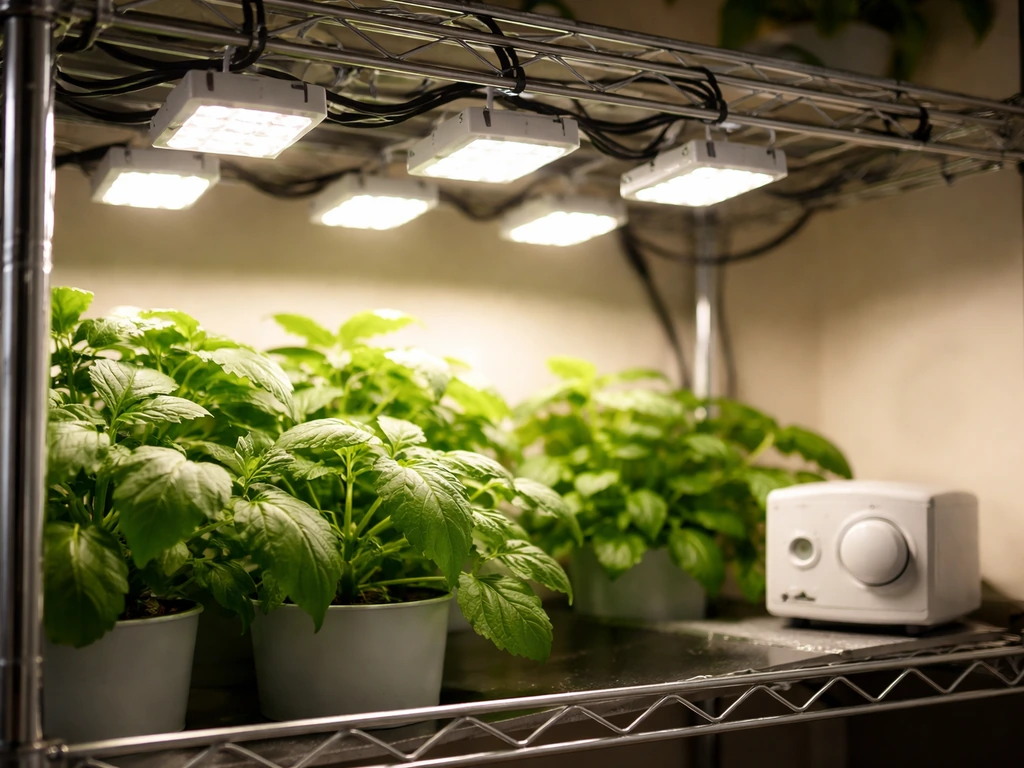
Plants don't sleep the way we do, but darkness genuinely matters to them at a biological level. Short-day houseplants in particular need short days to flower, consistent with University of Minnesota Extension's notes on photoperiod photoperiodism, which is how plants use day length to decide when to flower.. The University of Minnesota Extension defines photoperiod as "the number of hours of light a plant needs per 24-hour period," and the dark portion of that cycle is just as active as the light portion. During the dark phase, plants shift resources toward cellular repair, respiration, and hormonal signaling. Interrupt that too often and you start to see problems.
The biggest reason darkness matters is photoperiodism, which is how plants use day length to decide when to flower. Short-day plants like chrysanthemums, poinsettias, and some cannabis strains need uninterrupted dark periods to trigger blooming. If you run lights 24/7, these plants simply won't flower, no matter how healthy they look. Long-day plants, like many herbs and leafy greens, are more forgiving, but even they can show signs of stress under continuous light over time.
There's also a phenomenon called continuous light injury, which shows up most noticeably in tomatoes and other Solanaceae plants. Symptoms include interveinal chlorosis (yellowing between leaf veins), leaf curl, and stunted growth. Research published on PubMed Central specifically studying extended light and dark cycles on Solanaceae plants found that continuous lighting regimes caused measurable developmental problems in these species. So "more light equals more growth" isn't always true.
When 24/7 lights help vs. hurt, by plant type
The honest answer is that very few situations actually call for running lights around the clock. But they do exist, and it's worth knowing which plants tolerate it and which ones will suffer.
Plants that can tolerate (or briefly benefit from) continuous light
- Lettuce and spinach: These are day-neutral to long-day plants that can handle 20 to 24 hours of light without obvious injury, especially during fast-growth phases.
- Some microgreens: Because microgreens are harvested so quickly (often within 7 to 14 days), continuous light won't cause long-term stress before harvest.
- Propagation cuttings under very low-intensity lighting: Extremely gentle, continuous light can help prevent cuttings from wilting without driving much photosynthesis.
- Carnivorous plants in certain growth phases: A few species like Drosera can handle near-continuous light, though a dark period is still generally preferred.
Plants that do not tolerate continuous light
- Tomatoes, peppers, and other Solanaceae: These are well-documented to develop continuous light injury, showing chlorosis, stunted growth, and leaf curl.
- Short-day flowering plants (poinsettias, chrysanthemums, some orchids): No dark period means no blooms, period.
- Most fruiting vegetables: Cucumbers, squash, and beans need a dark cycle to develop and fruit properly.
- Tropical foliage plants (pothos, philodendrons, monsteras): These evolved under natural day/night cycles and generally do better with a defined dark period.
What continuous use does to light intensity, distance, and heat
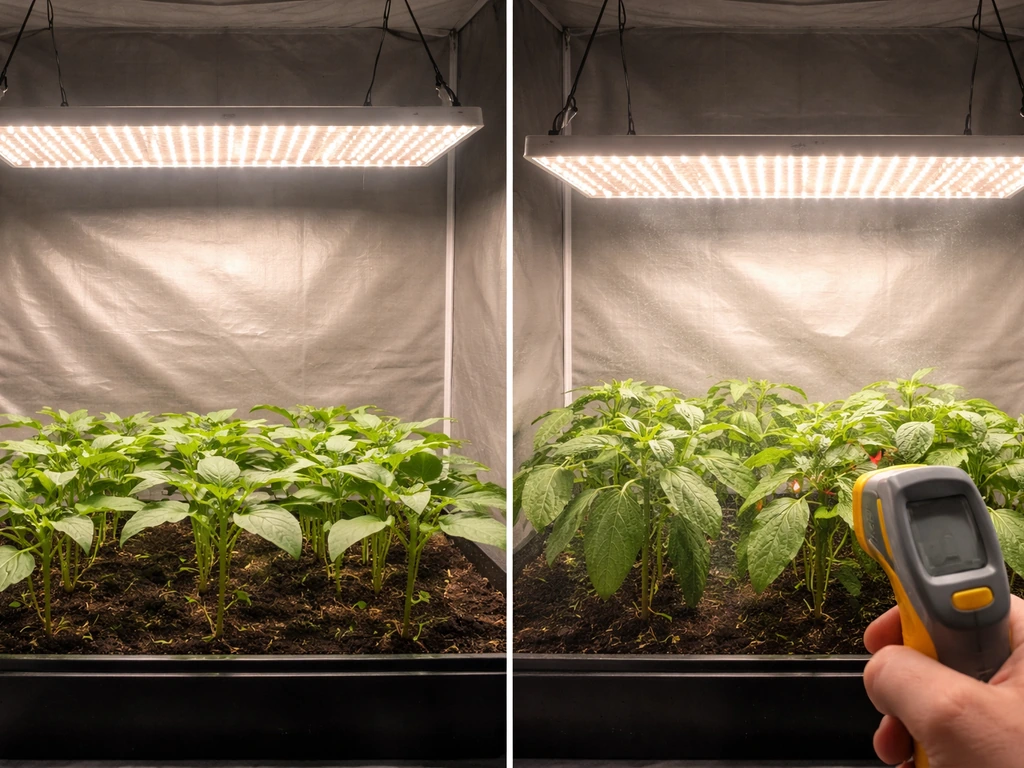
Running lights 24 hours a day doesn't just affect the plants, it also changes what your equipment is doing to the growing environment. Heat is the biggest concern here, especially if you're using older technology.
| Light Type | Heat Output | Safe Continuous Use Risk | Notes |
|---|---|---|---|
| LED grow lights | Low to moderate | Lower risk | Most modern LEDs run cool enough for extended use, but high-wattage panels can still raise ambient temps significantly |
| Fluorescent / T5 | Low | Low risk | Minimal heat, reasonable for longer schedules, but bulbs lose intensity faster with more run time |
| HID (HPS / MH) | High | Higher risk | Generates substantial heat; continuous use raises temps quickly, risks plant burn, and shortens bulb life noticeably |
Heat accumulation is a real problem under continuous operation. Even with LEDs, running a high-wattage panel 24/7 in a small tent or grow cabinet can push temperatures well above the 70 to 80°F sweet spot most plants prefer. When temps creep above 85°F, you start seeing wilting, bleached leaves (especially near the light), and accelerated water loss. Adding a small fan for air circulation and checking the canopy temperature with a cheap infrared thermometer helps catch this early.
Distance matters more under continuous light because there's no recovery period. If your light is too close and running all day, leaf tissue takes a beating without any overnight break to recover. A good starting point: LEDs should typically be 18 to 24 inches above seedlings and can move closer (12 to 18 inches) for established plants, but always check the manufacturer's recommendation and watch for bleaching or curling at the top of the canopy.
One more thing worth flagging: algae and mold. Continuous light combined with moisture encourages algae to grow on your growing medium and mold to develop in poorly ventilated areas. A daily dark period, combined with good air circulation, goes a long way toward keeping your grow space cleaner.
Safety and equipment: what to know before leaving lights on all the time
Running any electrical device continuously does come with considerations, but modern grow lights are designed for extended operation and aren't inherently dangerous when used correctly. That said, a few things are worth taking seriously.
Fire and electrical safety
- Don't overload circuits: Grow lights, fans, pumps, and heaters on the same circuit can exceed safe load limits. Calculate your total wattage and stay under 80% of the circuit's rated capacity.
- Use quality power strips with surge protection, not cheap extension cords daisy-chained together.
- Keep lights and cords away from water: Splashing from watering is the most common cause of electrical issues in home grow setups.
- Check cords and drivers periodically for heat buildup, fraying, or discoloration, especially if lights have been running continuously for months.
- HID lights (HPS and metal halide) run very hot and should always have proper ventilation. They're a higher fire risk under continuous or improper use than LEDs or fluorescents.
Bulb and fixture lifespan
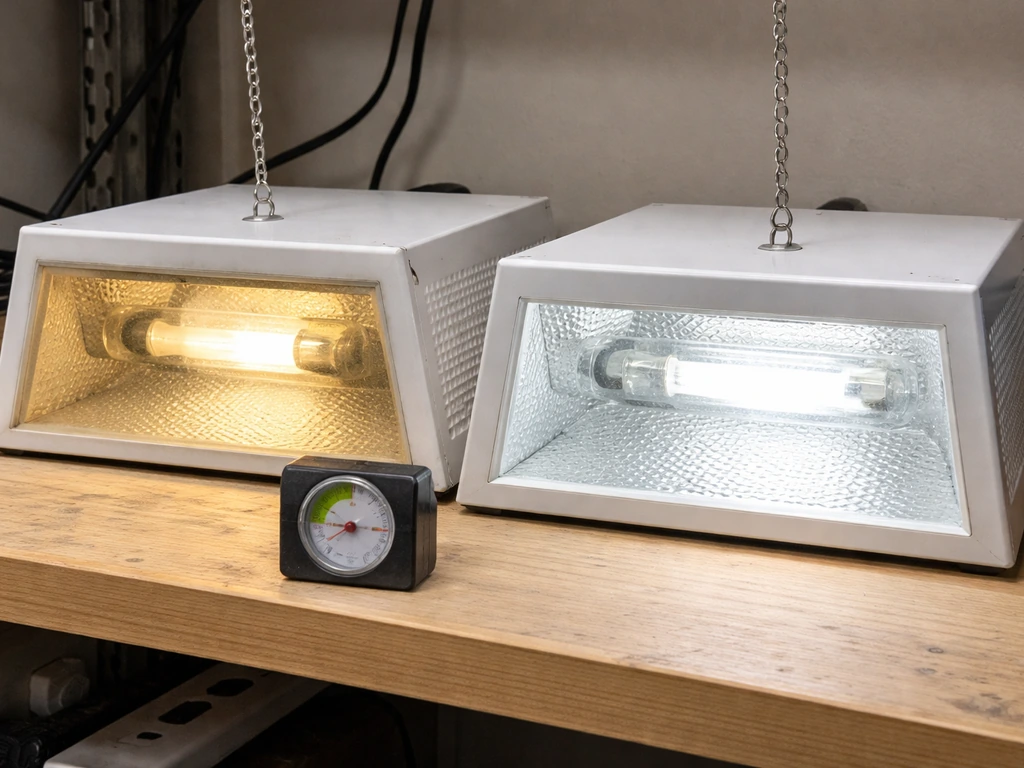
Running lights 24/7 will shorten their lifespan proportionally. A fluorescent bulb rated for 20,000 hours at 16 hours per day lasts roughly 3.4 years. Run it continuously and that drops to about 2.3 years. LEDs hold up better over time but still degrade faster with more run hours. HID bulbs degrade noticeably after about 10,000 hours and should be replaced even if they're still technically working, because reduced light intensity means your plants aren't getting what they need.
Electricity cost
Continuous operation also costs more to run. A 200-watt LED running 18 hours per day uses 3.6 kWh daily. Running the same light 24 hours uses 4.8 kWh, a 33% increase in energy cost for likely no benefit and potential plant harm. With electricity averaging around $0.16 per kWh in the US as of 2026, that adds up. Sticking to a proper schedule isn't just better for your plants, it's cheaper.
Best daily light schedules by plant type
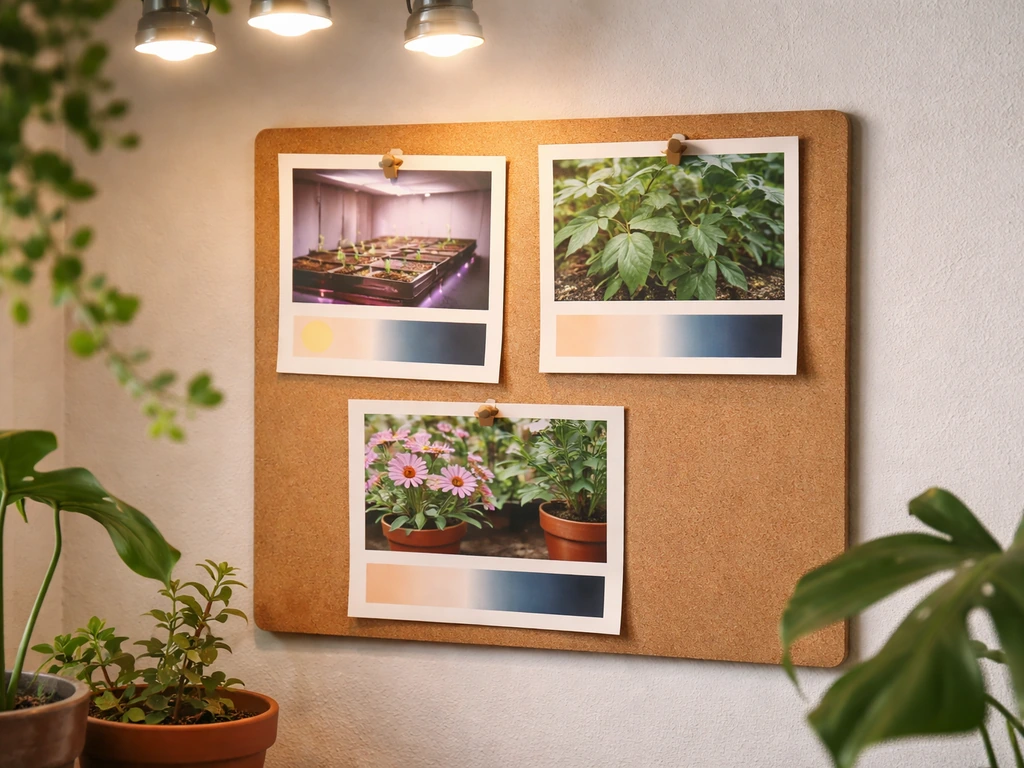
Cornell CALS extension guidance recommends 16 to 18 hours of light per day for seedlings started indoors, paired with a 6 to 8 hour dark period. The University of Minnesota Extension echoes that guidance. Those recommendations exist because decades of horticultural research (and a lot of practical growing experience) have confirmed that range works for the majority of what home gardeners are trying to do.
| Plant Type / Growth Stage | Recommended Daily Light Hours | Dark Period |
|---|---|---|
| Seedlings and cuttings | 16 to 18 hours | 6 to 8 hours |
| Leafy greens and herbs | 14 to 16 hours | 8 to 10 hours |
| Fruiting vegetables (tomatoes, peppers) | 14 to 16 hours | 8 to 10 hours |
| Short-day flowering plants | 8 to 12 hours | 12 to 16 hours (uninterrupted) |
| Long-day flowering plants | 16 to 18 hours | 6 to 8 hours |
| Succulents and cacti | 12 to 14 hours | 10 to 12 hours |
| Tropical foliage houseplants | 12 to 14 hours | 10 to 12 hours |
If you're unsure where your plant falls, start with 14 to 16 hours and adjust based on what you see. Leggy, stretched growth usually means not enough light hours or intensity. Bleached or curled leaves near the top of the canopy usually means too much intensity, too close, or too many hours. Both are easy to fix once you know what to look for.
How to set up timers and troubleshoot problems
Setting up a timer (takes about 5 minutes)
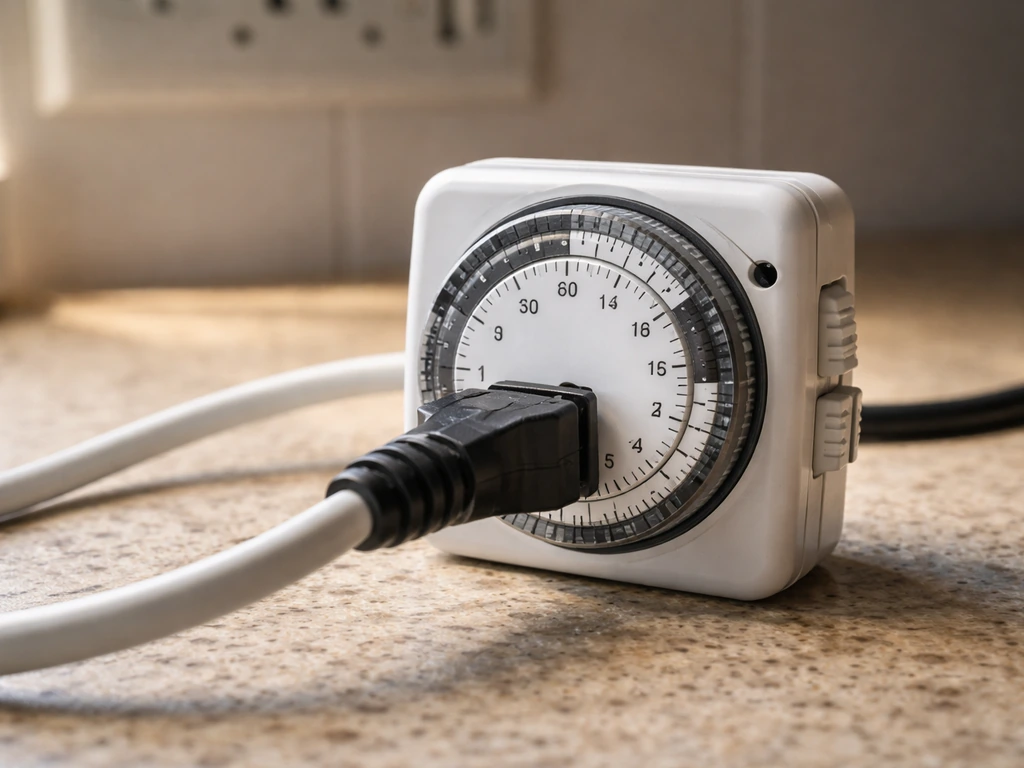
- Buy a basic mechanical or digital outlet timer. A $10 to $15 mechanical timer works perfectly fine for most home setups. Digital timers give you more precision and multiple on/off cycles if needed.
- Plug the timer into your wall outlet, then plug your grow light into the timer.
- Set the ON time for whenever your plants' "day" starts. Many growers align it with their own morning to make watering easier to manage.
- Set the OFF time to give your plants the correct dark period based on the schedule above.
- Double-check the timer is set to the right AM/PM settings, especially on mechanical timers where it's easy to flip them accidentally.
- Run it for 2 to 3 days and verify the light is actually turning on and off correctly before you stop checking.
Starting conservatively and adjusting
If you're starting a new grow setup, begin at the lower end of the recommended range (14 hours on, 10 hours off) and watch your plants for a week. This gives you a baseline to work from. New plants in a new environment are already adjusting to unfamiliar conditions, and hitting them with maximum light hours from day one adds unnecessary stress.
What to look for and how to fix it
| What You're Seeing | Likely Cause | What to Do |
|---|---|---|
| Pale, washed-out leaves near the light (bleaching) | Too much intensity or too many hours | Raise the light 2 to 4 inches or reduce daily hours by 2 |
| Thin, stretched stems reaching for the light (etiolation) | Not enough light intensity or too few hours | Lower the light or increase daily hours by 2 to 3 |
| Yellowing between leaf veins on tomatoes/peppers | Continuous light injury | Introduce a dark period immediately, start with 8 hours off |
| Wilting despite regular watering | Overheating from lights | Check canopy temp, raise light, add a fan |
| Green algae on soil surface or growing medium | Continuous light reaching moist substrate | Allow dark period and improve air circulation |
| No flowering on a flowering plant | Wrong photoperiod for the species | Research the specific day-length requirements and adjust schedule |
A note on timing your dark period at night vs. day
Some growers wonder whether it matters when the dark period falls. For most plants it doesn't make a functional difference whether lights run 6am to 10pm or 10pm to 6am. What matters is consistency. Plants adapt to a stable rhythm, and randomly changing your on/off schedule can confuse photoperiod-sensitive plants the same way irregular sleep patterns affect people. Pick a schedule, set your timer, and stick to it. If you've been curious about whether running lights at night instead of during the day is a viable option, the short answer is yes, it works fine as long as the schedule stays consistent.
The bottom line on 24/7 grow lights
For the vast majority of plants you're likely growing indoors, 24/7 lighting is not the right call. It can cause real harm to flowering plants, fruiting vegetables, and tropical foliage, and the only types that can handle it well are a narrow group of fast-harvested crops like lettuce and microgreens.
The practical path is simple: use a timer, give most plants 14 to 18 hours of light depending on species, maintain a proper dark period, and monitor your plants for the first few weeks. You'll get better results, spend less on electricity, and your lights will last longer.
If you are thinking about using grow lights outdoors, the same rules about daily light timing, heat, and darkness still apply, just with different environmental variables to manage can i use grow lights outdoors. The extra hours aren't helping, and in many cases they're actively working against you.
FAQ
If my timer occasionally turns the lights off for a few hours, will that harm my plants?
For most plants, you want a full daily dark block (often 6 to 10 hours) without interruptions. If your timer is off by 30 to 60 minutes occasionally, plants usually cope, but frequent flickering or random on off cycles can stress photoperiod sensitive species. If you must troubleshoot, leave the dark period intact and adjust only the light window.
Does it matter if the dark period is during the day versus overnight?
Not usually. The key is the daily dark period length and consistency, not whether it happens during morning or night. As long as you keep the same schedule every day, plants generally respond well. The main caution is to avoid changing the schedule abruptly, which can be disruptive for short day plants that need uninterrupted darkness.
Can continuous lighting stop my plant from flowering even if it looks healthy?
Yes, especially for flowering and fruiting plants. Short day plants (and many varieties bred for bloom timing) rely on uninterrupted darkness to trigger flowering, so 24/7 light can prevent bloom even if leaves look healthy. Long day plants may tolerate longer hours better, but continuous lighting can still cause stress symptoms like bleaching or slowed flowering over time.
What if I think my situation requires lights almost all day, is there a safer compromise?
If you truly need near continuous lighting (rare cases), consider an approach like alternating light and dark blocks within the day rather than zero dark hours. For example, keep the plants within the typical 14 to 18 hours light range and ensure a consistent dark window. If you do experiments, change one variable at a time, because plant responses can lag by a week or more.
How can I tell whether my lights are harming plants because of too many hours versus too much heat?
Watch the canopy, not just the room temperature. Signs that lights are too intense or too close under long hours include bleaching near the top, leaf curling upward, and wilting from accelerated water loss. Fix it by raising the light or reducing hours first, then fine tune distance. Also confirm you have adequate airflow, since heat and humidity buildup can look like “light stress.”
Will running grow lights 24/7 increase algae or mold in my grow tent?
No, but it can be part of the problem. Continuous lighting can worsen algae growth on wet media and encourage mold where ventilation is poor. A practical fix is to keep the dark period, avoid overwatering, and use a small fan for consistent air movement, especially in enclosed tents or cabinets.
Are there safety risks to using a timer or power strip for lights 24/7?
You generally should not. Many timers and extension cords are rated for intermittent use, and while the device may be fine, the connection points and switches can run warmer over time. Use a timer that matches the light’s wattage, plug directly when possible, and avoid daisy chaining power strips. If you smell heat or see discoloration, stop immediately and rewire.
If I’m limited on time because of work, what schedule should I choose instead of 24/7?
If you cannot use a long dark period, start by reducing light hours rather than removing darkness entirely. For seedlings and many common indoor plants, a common starting point is 14 to 16 hours light with 8 to 10 hours dark, then adjust based on leggy growth (too little light) or bleaching/curling (too much intensity or too close). For photoperiod sensitive bloomers, prioritize the dark period even if it costs you some light hours.
Next Articles
Why Do Plants Grow Best in Blue Light? Science & Practical Guide
Explore why blue light boosts vegetative growth, ideal blue:red ratios, PPFD, photoperiods, fixtures, and setup tips.
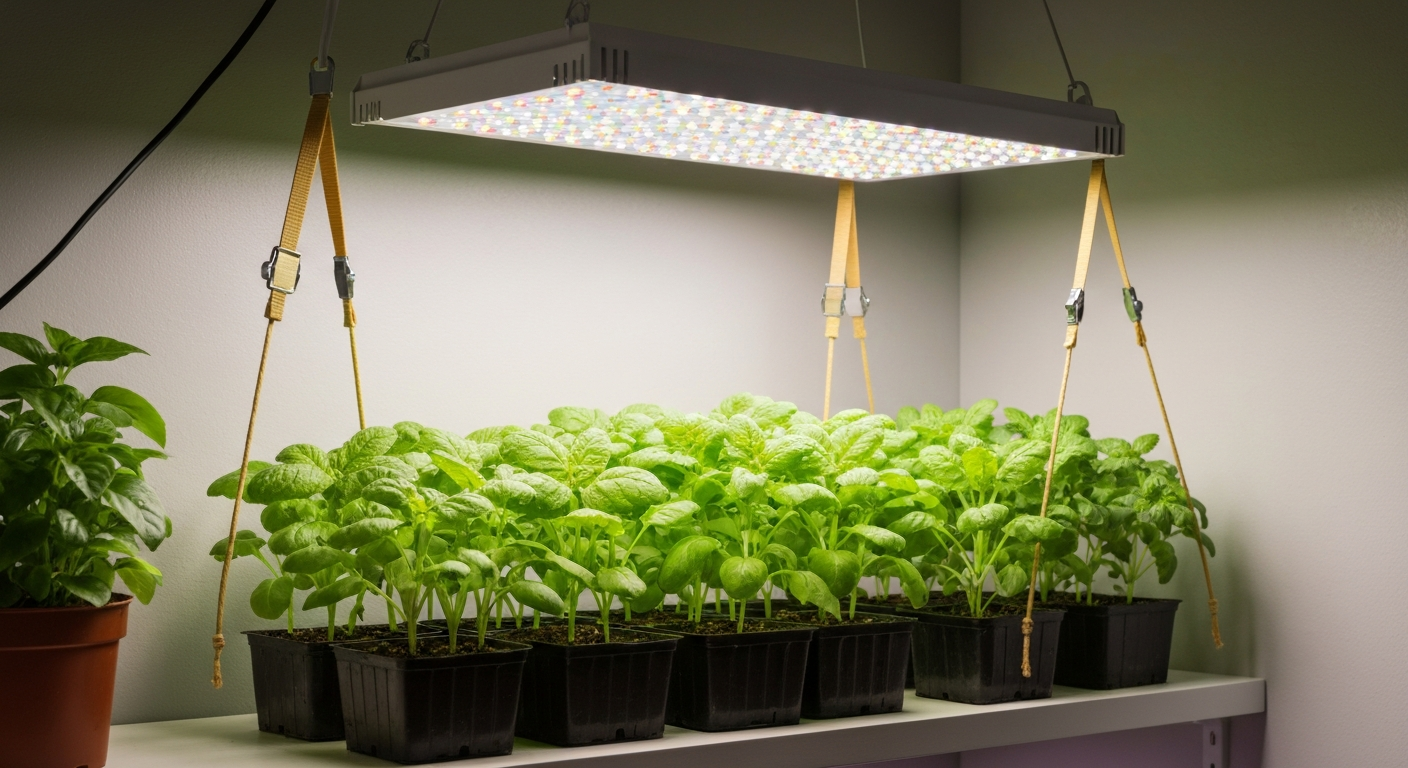
What Artificial Light Will Grow Plants: Best Lights Guide
What artificial light will grow plants: practical guide to LED, CFL, HID spectra, PPFD targets, setup, cost & tips.
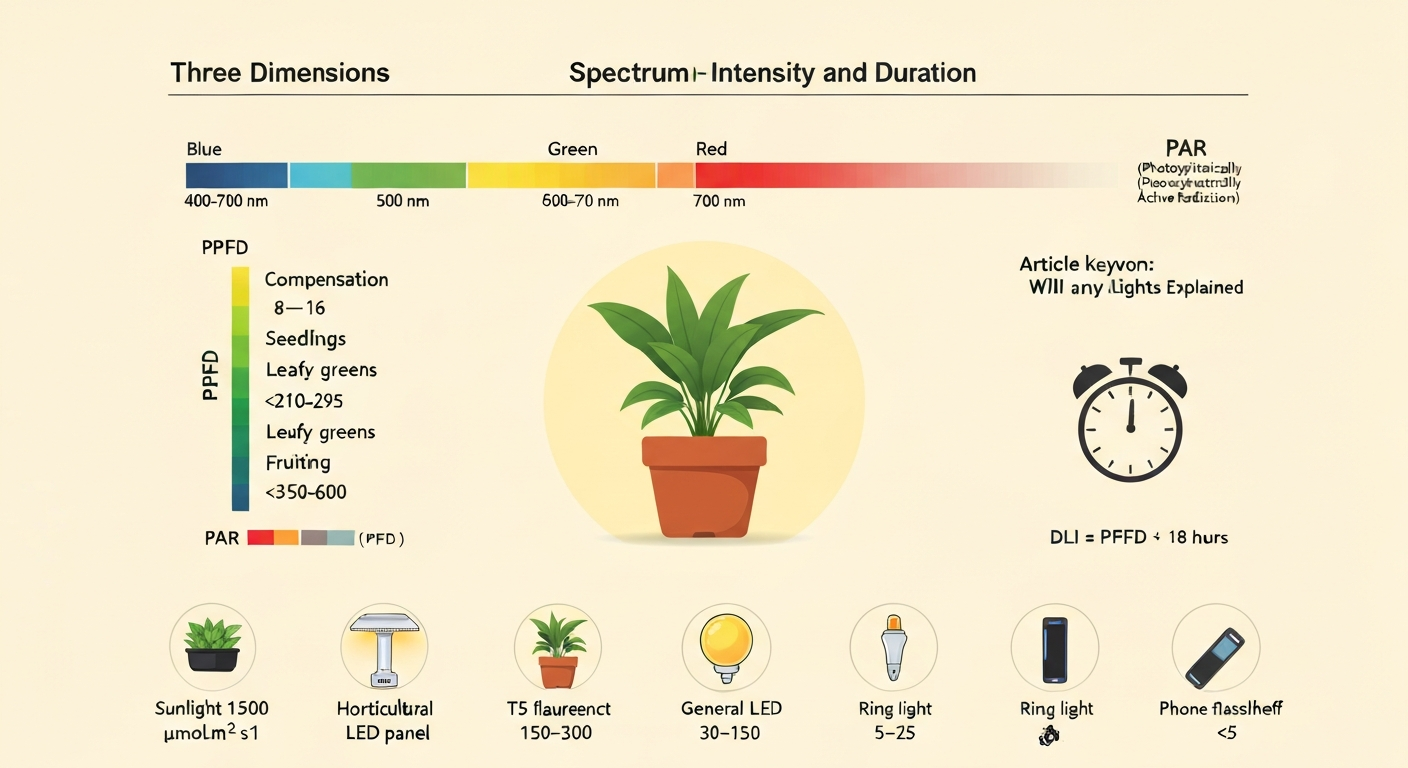
Will Any Light Grow Plants? Guide for Indoor Growers
Can any light grow plants? Clear yes/no, science-backed light specs, setup tips, and which household lights work.