Technically yes, you can leave grow lights on 24 hours a day, but for most plants you really shouldn't. The vast majority of houseplants, seedlings, vegetables, and herbs do better with a daily dark period. University extensions from Maryland, Illinois, and Iowa State all cap their recommendations at 16 hours of light per day, and for good reason: plants use darkness to regulate growth hormones, manage their energy budgets, and in many cases, decide when to flower. Running lights around the clock doesn't give them more of a good thing. It often just stresses them out.
Can I Leave Grow Lights On 24 Hours? Safe Tips
Marcus Holloway
7 Jun 2026
When 24-hour lighting is actually okay (and when it's not)
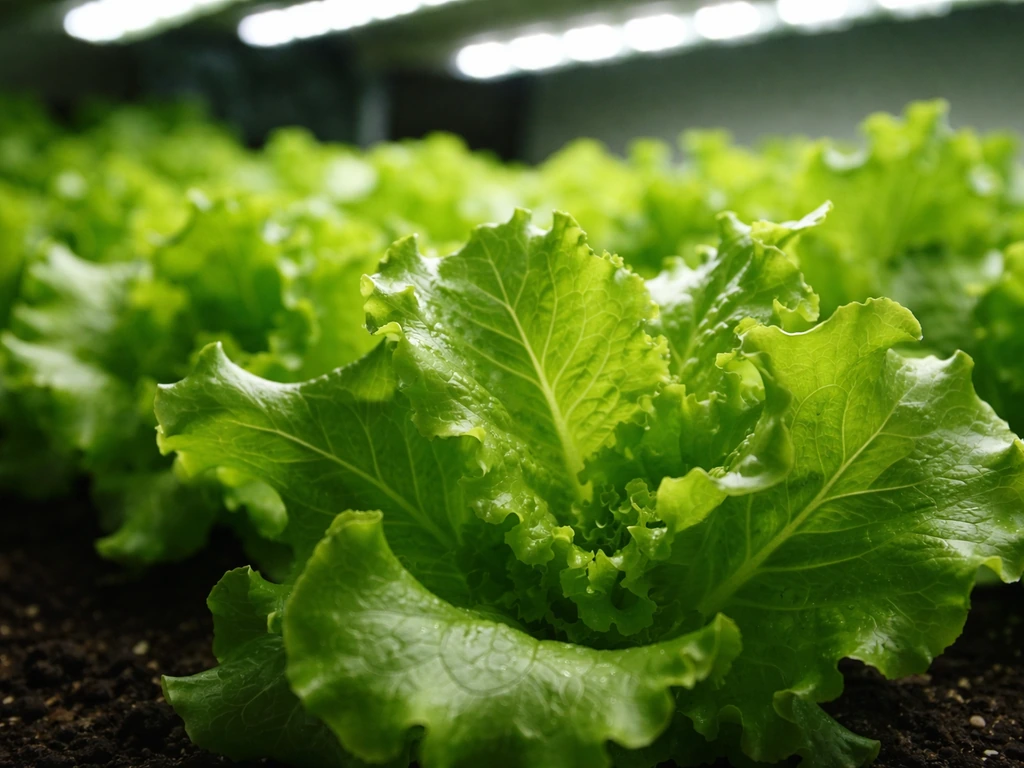
There are a few situations where continuous light won't immediately cause problems. Some leafy greens, particularly certain lettuce varieties, can tolerate 20-hour photoperiods pretty well for short stretches. A handful of growers use near-continuous light on seedlings for a week or two at low intensities to front-load early growth. And some plants that originated in high-latitude environments, where summer daylengths approach 20+ hours, handle long photoperiods better than tropical species do.
But here's where it gets complicated: research on lettuce under continuous light found that oxidative stress (specifically the build-up of reactive oxygen species, or ROS) increased the longer and harder the lights ran. Tomatoes are notoriously sensitive, and studies have shown that switching to a 24-hour photoperiod can decrease photosynthetic performance within about a week. So even for plants that seem to tolerate it initially, continuous light is a gamble, not a strategy.
The short version: if you're growing most common indoor plants, herbs, vegetables, or seedlings, stick to a timed cycle. If you've been running lights 24/7 because you forgot to set a timer or weren't sure, that's fixable today.
How many hours your plants actually need
Different plants have different light appetites, and the right photoperiod depends on what you're growing and at what stage. The concept that ties everything together is Daily Light Integral (DLI): the total amount of photosynthetically active light your plant receives over a full day. DLI is a product of both intensity (how bright) and duration (how long), so you can hit the same DLI with a brighter light run for fewer hours or a dimmer light run for longer. That's a useful lever to understand.
| Plant Type / Stage | Recommended Daily Light Hours | Notes |
|---|---|---|
| Seedlings (most vegetables, herbs) | 16–18 hours | UMN Extension standard starting point; high light demand, low to moderate PPFD |
| Leafy greens (lettuce, spinach, kale) | 14–16 hours | Day-neutral; tolerates longer photoperiods but 16 hours is practical ceiling |
| Herbs (basil, parsley, cilantro) | 12–16 hours | Basil prefers more; cilantro can bolt under long photoperiods |
| Fruiting vegetables (tomatoes, peppers, cucumbers) | 14–16 hours | Need strong intensity; sensitive to continuous light stress |
| Houseplants (pothos, ferns, peace lily) | 10–12 hours | Low to medium light plants; often do fine with supplemental light on shorter cycles |
| Short-day flowering plants (chrysanthemums, poinsettias) | 12 hours or less | Need uninterrupted dark period to trigger flowering; continuous light will prevent blooming |
| Long-day flowering plants (petunias, spinach bolting) | 14–18 hours | Longer photoperiod encourages flowering; still benefit from some darkness |
Iowa State Extension puts the practical home-gardener range at 10 to 16 hours per day. That's a useful bracket to work within. If you're not sure where to start, 14 hours covers a lot of ground for most vegetable seedlings and common herbs.
Real risks of leaving lights on all day and night
Plant stress and photoinhibition
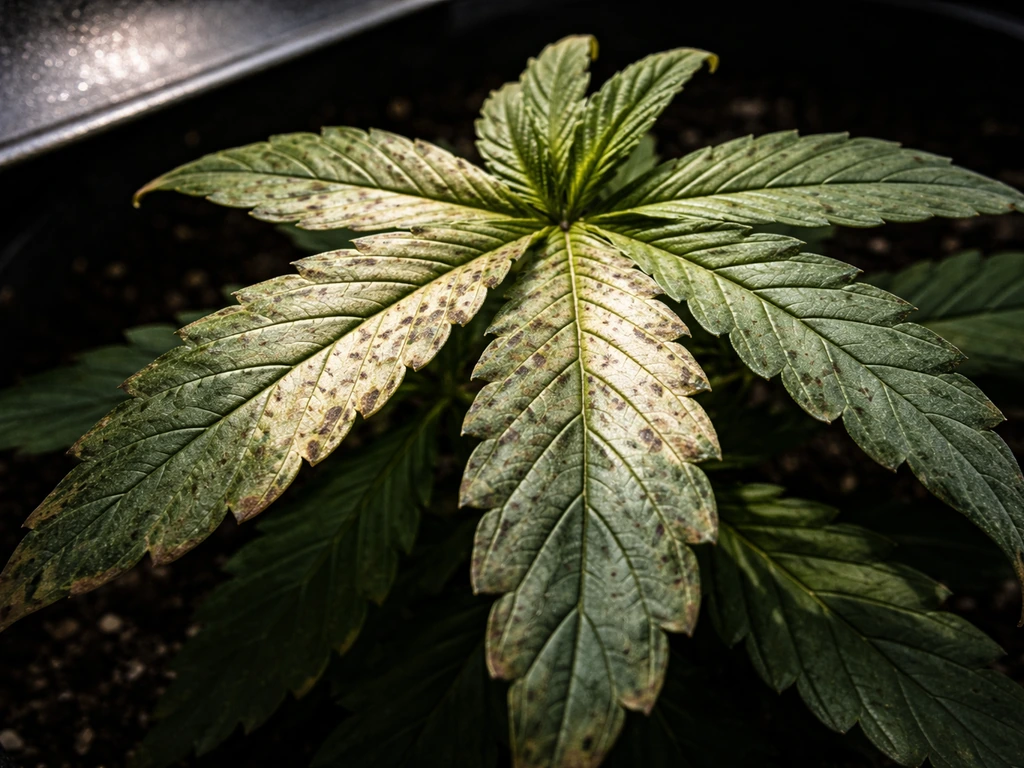
Plants have a photosynthetic system that can get overwhelmed when light inputs outpace their ability to process and use that energy. The result is photoinhibition: the plant's light-harvesting machinery gets damaged or downregulated. Under continuous light at higher intensities, studies on lettuce and tomatoes both show progressive build-up of reactive oxygen species (ROS) and lipid peroxidation, basically oxidative damage to plant cells. You might see this as yellowing leaves, bleached or pale patches, or just plants that look tired despite getting plenty of light.
Flowering and growth disruption
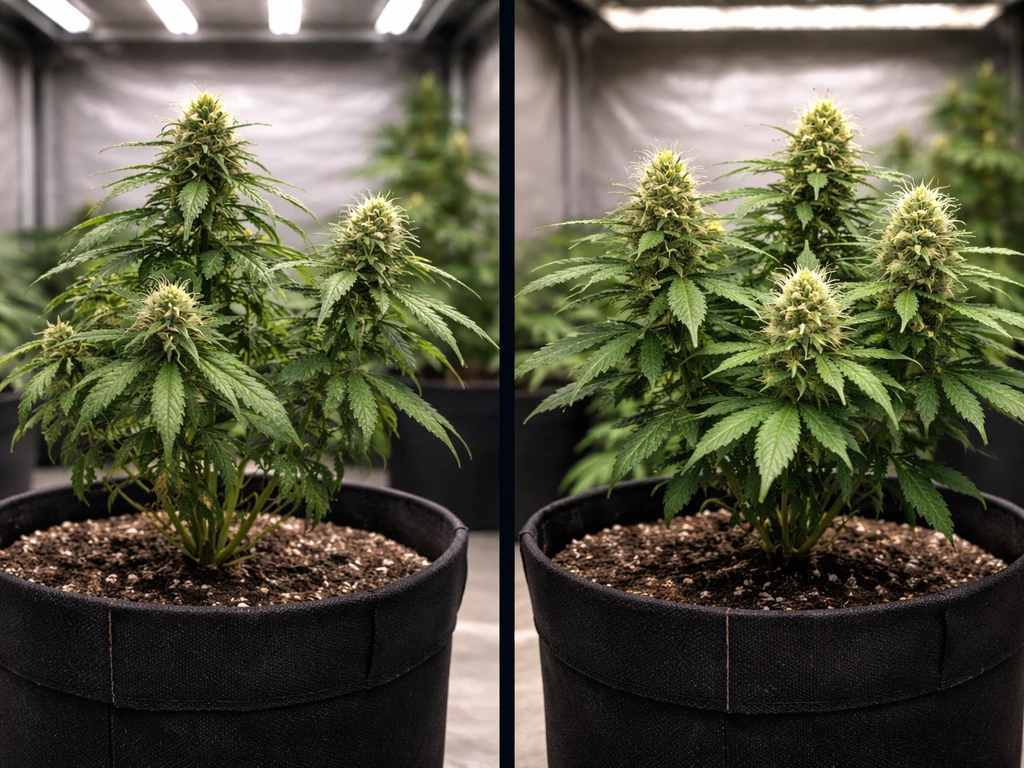
Oregon State University Extension makes clear that day length (photoperiod) is a key trigger for flowering in many plants. Running lights 24/7 completely disrupts that signal. Short-day plants like chrysanthemums and poinsettias flat-out won't flower without an uninterrupted dark period. Even plants that aren't strictly photoperiod-dependent can show disrupted growth patterns, abnormal leaf development, or sluggish root systems when they never get a rest.
Heat and moisture loss
Especially with HID (high-intensity discharge) lights like HPS or MH, running 24 hours means continuous heat output. Even good LED panels generate some heat, and if your growing space isn't well-ventilated, temperatures can creep up overnight. Higher ambient temps accelerate transpiration, meaning your plants dry out faster and may show wilting or crispy leaf edges even if you're watering regularly. HID ballasts in particular carry safety cautions about heat buildup, and running them continuously dramatically increases that risk.
Electricity cost
This one is simple math. A 200-watt LED panel running 24 hours uses 4.8 kWh per day. At the US average of around $0.17 per kWh, that's about $0.82 per day or roughly $25 per month, just for one panel. Drop to 16 hours and that's under $17 per month. For a larger setup with multiple fixtures, continuous operation adds up fast with zero plant benefit and likely some plant cost.
How to set up your lights safely and smartly
Use a timer, full stop
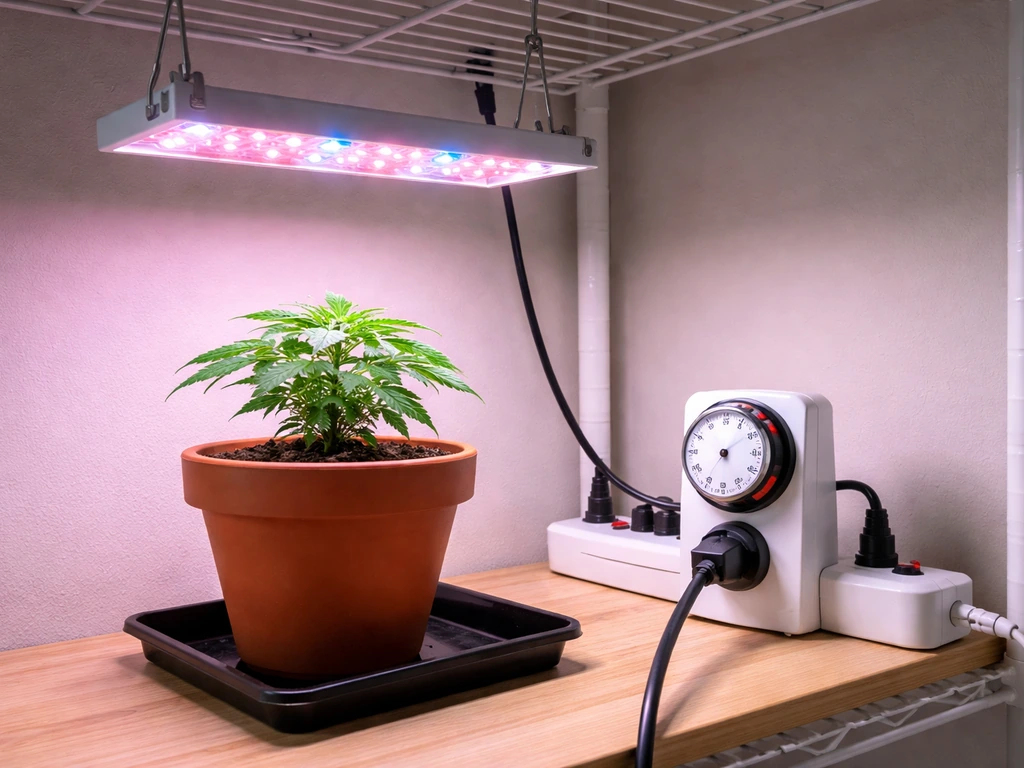
This is the single most important setup step. Grow-light manufacturers design their products expecting timed operation, and most current LED grow lights either have a built-in timer function or include one in the package. If yours doesn't, a basic outlet timer (mechanical or digital) costs $10 to $15 and removes the entire guesswork problem. Set it once, forget it. Relying on yourself to flip the switch every day is how you end up with lights running 24 hours out of forgetfulness, not intention. If you're wondering can i use grow lights outdoors for seedlings or patio plants, the same timer and photoperiod logic applies. A simple way to decide is to keep your lights on a timed cycle and ensure your plants still get an uninterrupted dark period each 24 hours keep your grow lights on a timed cycle. If you still wonder whether it is safe to leave your grow lights on 24/7, the best answer is usually no for most plants can you leave grow lights on 24/7.
Match intensity to your plant stage
Intensity matters as much as duration. PPFD (photosynthetic photon flux density, measured in micromoles per square meter per second) is the key metric. Young seedlings generally do well at 200 to 400 μmol·m⁻²·s⁻¹. Mature fruiting plants may want 600 to 900. Most LED manufacturers list PPFD at specific mounting heights in their specs. UMN Extension emphasizes that PPFD drops with distance, so moving your light up reduces intensity, and moving it down increases it. That's your dimmer knob if your fixture doesn't have one built in.
UNH Extension tested a specific LED bar and found it needed only 8 hours per day at 8 inches above the crop to hit the target DLI, but needed 16 hours per day at 20 inches to reach the same DLI. That's a concrete example of how distance and duration interact. If you're running a weaker light or have it mounted high, you might need longer hours. If you've got a powerful fixture close to small seedlings, shorter hours protect against stress.
Adjust for your room conditions
If your grow space gets any natural light, factor that in. University of Maryland Extension specifically notes the 16-hour cap applies to total daily light, including natural light. A windowsill seedling tray getting 4 hours of sun doesn't need 16 hours of supplemental grow light on top. Keep an eye on temperature: if your room runs warm (above 80°F or 27°C) during light hours, bumping down your light schedule or adding airflow will do more good than harm.
Signs your current light schedule is wrong
Too much light (or too long)
- Leaf edges turning brown or crispy, especially on the side facing the light
- Pale, bleached, or yellowed patches on upper leaves (not lower, which suggests a different problem)
- Leaves curling upward or feeling dry and papery
- Wilting despite soil being adequately moist
- Stunted or stopped growth in plants that were previously growing fine
- Short-day plants refusing to flower or dropping buds
Too little light (or too short)
- Seedlings stretching tall and thin (leggy growth) reaching toward the light
- Long internodal spacing, meaning big gaps between leaf nodes on the stem
- Pale green or yellowish overall color across the whole plant
- Slow or stalled growth despite good watering and feeding
- Flowering plants failing to set buds or producing very few flowers
- Small, undersized leaves compared to what the plant should produce
If you're seeing leggy seedlings, that's almost always a distance or duration problem, and it's worth adjusting both. Lower the light or increase hours before you assume the plant is just slow. On the flip side, if leaves are bleaching or burning, raise the light or trim a few hours off the schedule before you do anything else.
Troubleshooting by bulb type, distance, and room setup
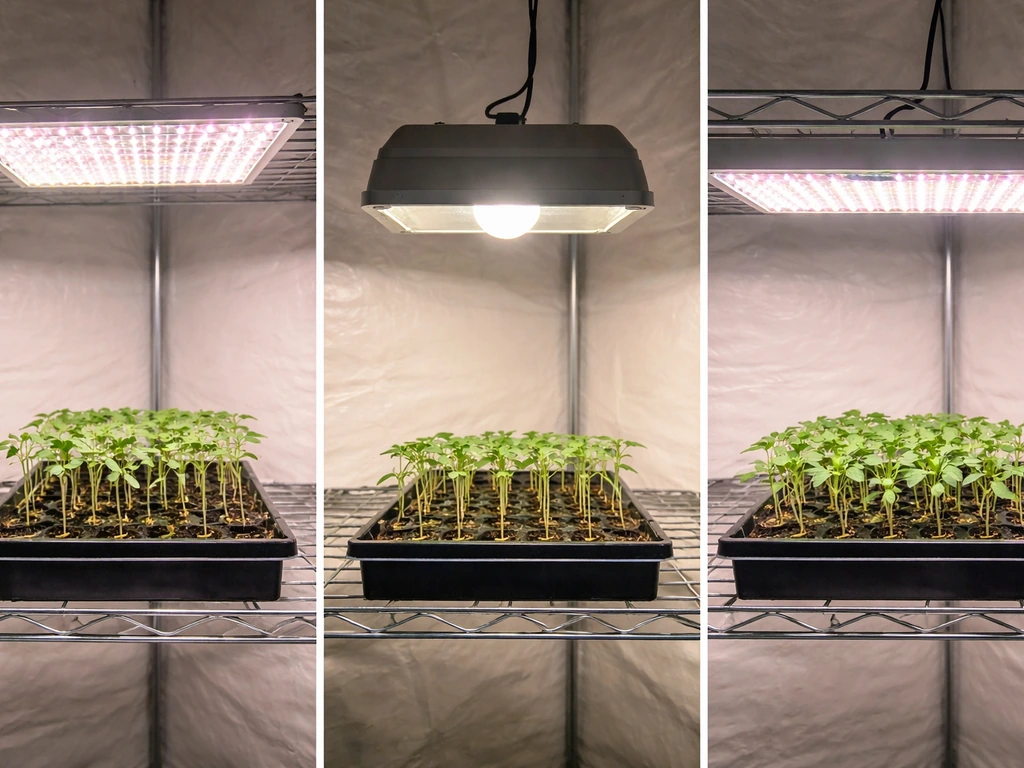
| Setup Type | Common Problem | Fix |
|---|---|---|
| LED panel (full spectrum) | Seedlings leggy despite 14-hour schedule | Lower light to within 6–12 inches of canopy; check if PPFD at canopy is below 200 |
| LED panel (full spectrum) | Leaf bleaching or burn at tips | Raise light 4–6 inches; reduce schedule by 2 hours and monitor for a week |
| T5 fluorescent tubes | Slow growth, pale leaves | T5s lose intensity quickly with distance; keep 2–4 inches above seedlings; increase to 16 hours |
| T5 fluorescent tubes | Heat stress if tubes are very close | T5s run cooler than HID but still generate heat; ensure 2-inch minimum clearance |
| HPS / HID fixtures | High room temperature overnight | Use a light schedule that avoids the hottest part of the day; ensure exhaust fan runs with light cycle |
| HPS / HID fixtures | Energy costs high running long schedules | HID at 16 hours is expensive; consider upgrading to LED for the same DLI at lower wattage |
| Any type: bright window room | Overshooting 16-hour total (sun + grow light) | Put grow light on a shorter schedule (8–10 hours) to compensate for natural light |
| Any type: basement / no windows | Hard to know if 12 hours is enough | Start at 14–16 hours; adjust based on plant response over 2–3 weeks |
One thing worth noting for LED users specifically: the 'blurple' LED panels (red and blue diodes only) can make it hard to visually assess plant color and health under the light. Turn them off and check your plants under normal white light once a week. Full-spectrum white LEDs make this easier since what you see is closer to what the plant actually looks like.
Simple light schedules you can start using today
These are practical starting points based on extension guidance and common indoor growing practice. They aren't rigid rules, but they give you a solid baseline to work from and adjust over the following weeks.
| What You're Growing | Recommended Schedule | Notes |
|---|---|---|
| Vegetable seedlings (tomatoes, peppers, squash) | 16 hours on / 8 hours off | Start here from germination; adjust down to 14 hours once true leaves develop |
| Herb seedlings (basil, mint, parsley) | 14–16 hours on / 8–10 hours off | Basil likes more light; mint can handle less |
| Lettuce and leafy greens | 14–16 hours on / 8–10 hours off | Day-neutral; 16 hours is fine throughout the growth cycle |
| Established houseplants (low-medium light types) | 10–12 hours on / 12–14 hours off | Supplemental only; these plants don't need much |
| Fruiting stage (tomatoes, peppers setting fruit) | 14–16 hours on / 8–10 hours off | Pair with high-intensity light, not just longer hours |
| Short-day flowering plants | 12 hours on / 12 hours off (strict) | Dark period must be completely uninterrupted to trigger bloom |
| Long-day flowering plants | 16–18 hours on / 6–8 hours off | Maximum around 18 hours; pushing past that has diminishing returns |
A good default if you're not sure: set your timer for lights on at 6 AM and off at 10 PM. That's 16 hours, it aligns with a natural human schedule so you can actually see your plants during light hours, and it stays within the upper limit recommended by every extension source out there. If you want to run lights at night, use the same total daily hours and keep a steady dark period so plants still get their normal cycle. Then watch your plants for two to three weeks. Leggy means add intensity or lower the fixture. Bleaching means raise the fixture or cut an hour or two off the schedule.
Whether you're running lights 24/7 by accident or wondering if you should, the answer is almost always the same: pick a timed cycle of 12 to 16 hours, invest in a $10 outlet timer if you haven't already, and let your plants tell you over the next few weeks whether they want more or less. That feedback loop is more reliable than any single schedule, and it's how most experienced growers actually manage their setups.
FAQ
If I accidentally left my grow lights on 24 hours, should I change the schedule immediately?
Yes, switch back to a timed cycle as soon as you notice. Plants usually recover, but give them a consistent dark period starting the next cycle (for example, 14 to 16 hours on, same off time each day) and watch for signs of stress over the next 1 to 3 weeks, especially leaf yellowing or bleaching.
Can I use continuous light during the night if I keep total hours within 16 hours?
You can, but prioritize an uninterrupted dark period. In practice, avoid true 24/7 operation, and if you are shifting the “on” time to nighttime, keep a consistent block of darkness each 24 hours so flowering cues and growth regulation still get their signal.
What if my plants are near a window, do I still need 14 to 16 hours of grow light?
Often you need less. Natural light counts toward the total daily light, so start by estimating your window hours and then shorten grow-light hours to stay within the effective daily range. If leaves start bleaching, that usually means the combined intensity is too high, even if your timer is set correctly.
Is it safe to run stronger lights fewer hours instead of longer hours?
Usually, yes, as long as you aim for the target Daily Light Integral. The key is intensity at the plant (PPFD at your mounting height), not just wattage. If your fixture is powerful, you may need fewer hours, but don’t lower hours blindly without checking distance and PPFD.
My timer failed once, what’s the safest backup setup?
Use a plug-in outlet timer plus a simple fail-safe habit. Plug the light into the timer, and also set a daily reminder to verify the light schedule after any outage or timer change. For multiple fixtures, label the plugs so you do not accidentally run the wrong lights longer than planned.
How can I tell if my schedule is too long versus the light is too intense?
Bleaching or pale patches usually point to too much intensity (often too close or too bright). Legginess, long spacing between leaves, and pale green growth often point to insufficient effective light (too far away or too low duration). If you are unsure, adjust one variable at a time, typically distance first, then duration.
Do blackout periods matter for all plants, or only photoperiod-sensitive flowering types?
They matter for more than flowering. Even species that are not strict “short-day” or “long-day” plants still use darkness to reset processes, regulate growth hormones, and prevent oxidative stress from accumulating. If you want the safest default, keep an uninterrupted dark block for every plant.
Are LEDs safer than HID lights for 24/7 operation?
LEDs reduce some heat risks compared with HID, but they are not a free pass. Continuous high-intensity light can still cause oxidative stress and photoinhibition, and LEDs can still raise ambient temperature in poorly ventilated spaces. Timers are still the best practice.
What’s a good starting timer if I’m growing seedlings and herbs at home?
A common starting point is 14 hours on and 10 hours off, such as 6 AM to 10 PM, then fine-tune based on symptoms and your mounting distance. If you are unsure, don’t jump to 16 to 18 hours, increase gradually (for example, by 1 to 2 hours) and reassess after 2 to 3 weeks.
My fixture doesn’t have a dimmer. How do I adjust intensity safely?
Adjust distance first, because lowering distance increases PPFD, raising it decreases PPFD. Make changes in small steps and allow a few days to interpret results. If you shorten hours to compensate, do it deliberately, since it changes DLI rather than just “brightness.”
Next Articles
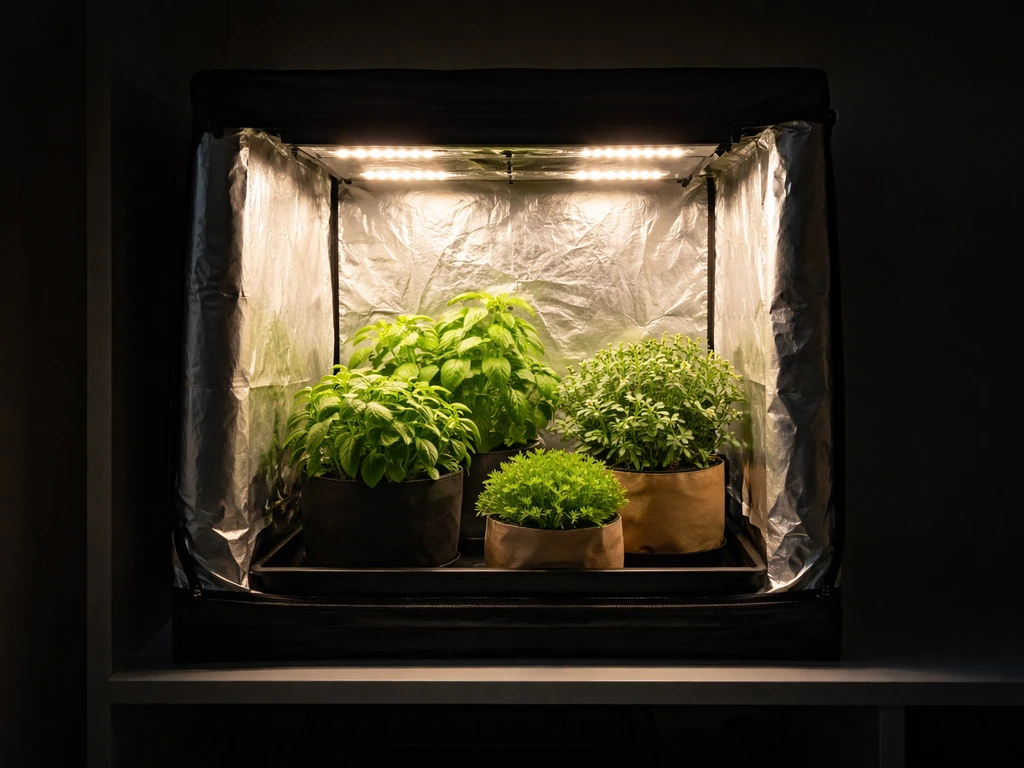
Should Grow Lights Be On 24/7? Best Schedules for Plants
Know when grow lights should not run 24/7, best daily schedules by plant type, safe timing, distance, and troubleshootin
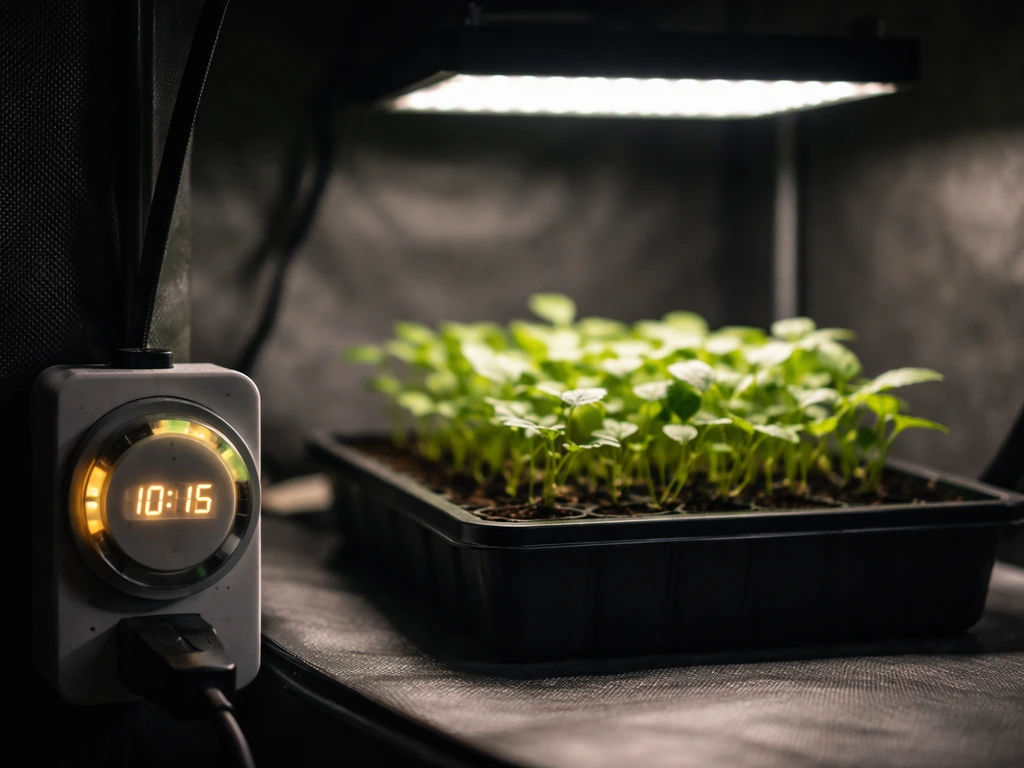
Should Grow Lights Be On All the Time? How Long to Run
Answer whether grow lights should run 24/7 and how long to use timers based on plant needs, growth stage, and safety.
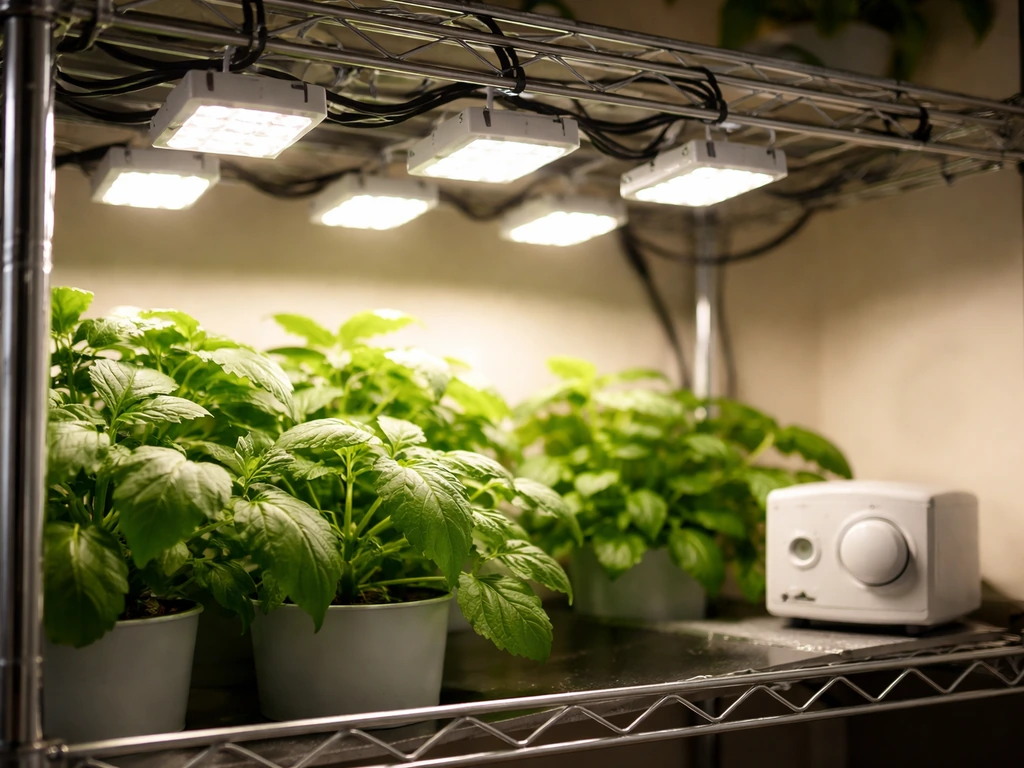
Can You Leave Grow Lights On 24/7? Safety and Schedule Tips
Find out if you can leave grow lights on 24/7, plus safe schedules, timer tips, and fixes for stress or overheating.