
Yes, turn your grow lights off at night. For the vast majority of indoor plants, a daily dark period is not optional, it's part of how plants work. Most plants need somewhere between 6 and 10 hours of darkness every 24 hours, and running lights around the clock is one of the more common mistakes I see beginners make. The good news is this is easy to fix with a simple timer, and once you dial in the right schedule for your plant type, growth takes off.
Should I Turn Off Grow Lights at Night? A Simple Guide
Marcus Holloway
25 Jun 2026
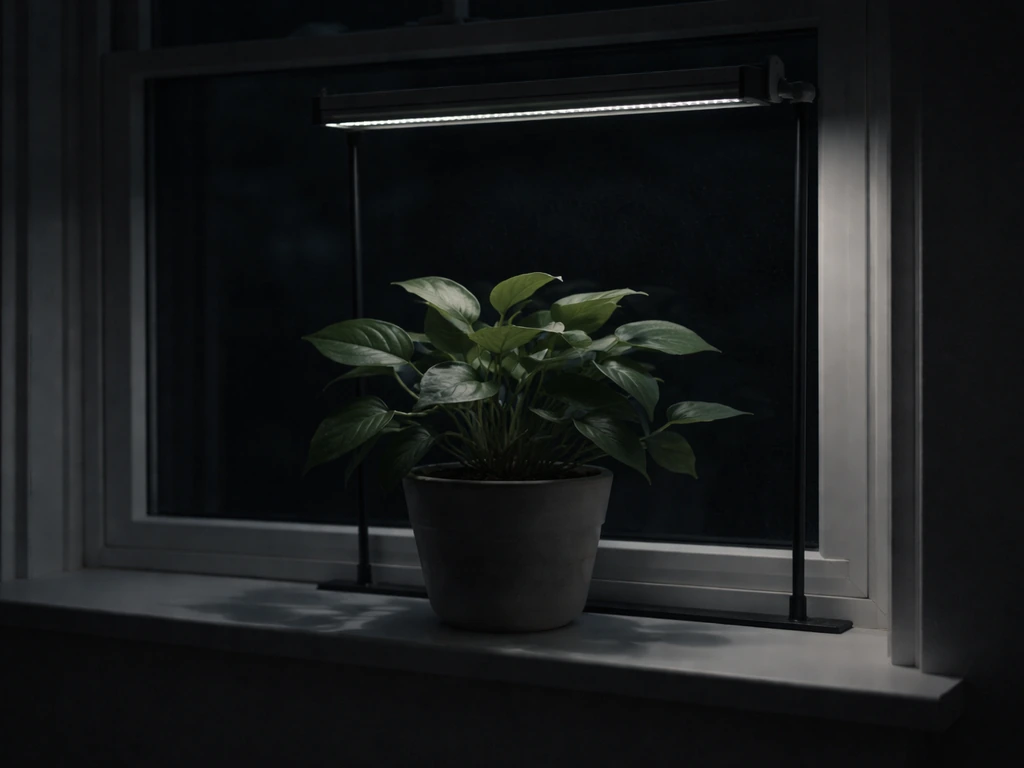
Why plants actually need darkness (it's not just a preference)
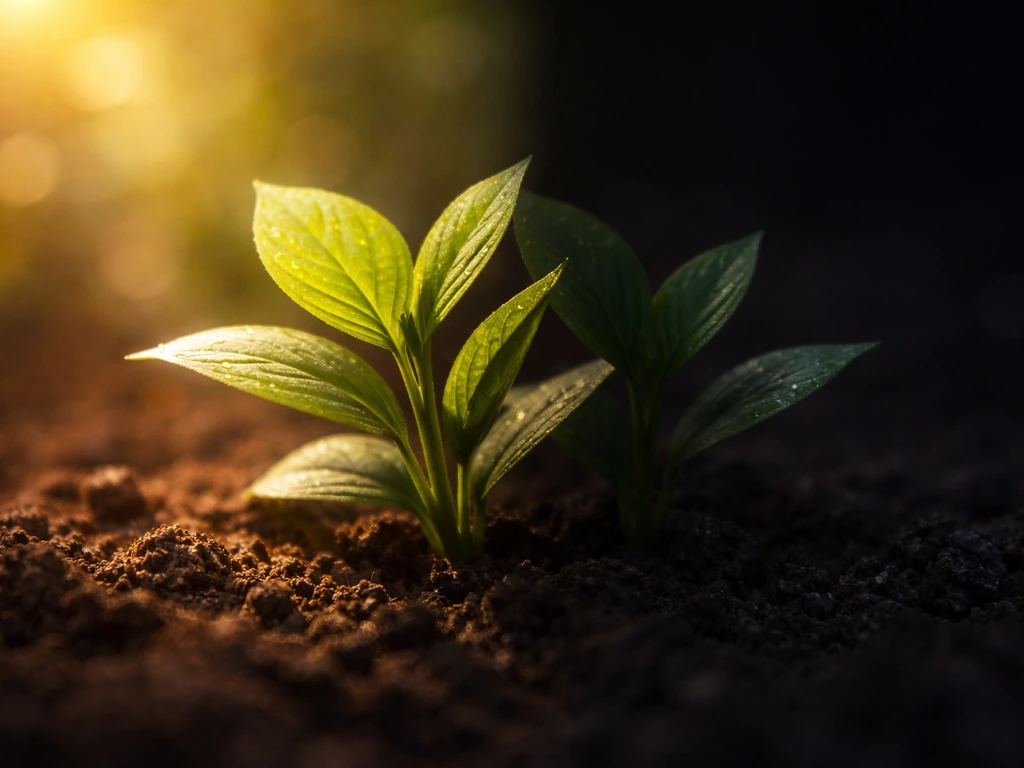
Plants aren't solar panels that just soak up as much light as possible and convert it all to growth. They have biological clocks, and darkness is a real, active part of their cycle, not just the absence of something useful. During dark hours, plants shift metabolic gears: they process the sugars made during photosynthesis, regulate hormones, and in many species, they measure the length of the night to decide whether to flower or stay vegetative.
That last point is where things get interesting. Research from Oregon State University Extension makes it clear that for photoperiodic plants, blank" rel="noopener noreferrer">it's actually the duration of uninterrupted darkness, not the hours of light, that triggers flowering. MSU Extension explains that for photoperiodic plants, it's the duration of uninterrupted darkness that triggers flowering, which is why growers break up nights with careful light timing blank" rel="noopener noreferrer">duration of uninterrupted darkness, not the hours of light. So when you're growing something like a poinsettia, chrysanthemum, or cannabis on a photoperiod schedule, the dark period is the signal. University of Maryland Extension notes that poinsettias need at least 14 hours of uninterrupted darkness to develop their color, and that even a small light leak (like a TV across the room) can stop the whole process. That's how sensitive some plants are.
Even plants that aren't strictly photoperiod-sensitive still benefit from a rest period. Seedlings, herbs, and most leafy vegetables don't flower based on night length, but they still grow better with a consistent light-off window. A University of Maryland Extension slide deck on seed starting puts it plainly: seedlings need about 14-16 hours of light and 8 hours of darkness to rest. Running lights 24/7 won't kill most non-photoperiodic plants immediately, but over time it tends to cause stress, weird growth patterns, and reduced productivity. In most home setups, leaving a grow light on 24/7 is more likely to cause stress and uneven growth than to help your plant leave a grow light on 24/7.
How to pick the right photoperiod for your plant type and stage
The term "photoperiod" just means how many hours of light your plant gets per 24-hour day. Different plants and growth stages need different amounts. Here's how to think about it practically:
| Plant Type / Stage | Recommended Light Hours | Dark Period | Notes |
|---|---|---|---|
| Seedlings (most vegetables, herbs) | 14–16 hours | 8–10 hours | Purdue Extension and UMD both recommend this range for healthy, compact starts |
| Leafy greens (lettuce, spinach, kale) | 14–16 hours | 8–10 hours | Long-day plants; more light generally means faster growth |
| Herbs (basil, parsley, cilantro) | 14–16 hours | 8–10 hours | Similar needs to leafy greens; watch for bolting with too much light |
| Fruiting plants (tomatoes, peppers) | 14–18 hours | 6–10 hours | Day-neutral; more light helps but 16 hours is a reliable sweet spot |
| Microgreens | 18 hours | 6 hours | Utah State University Extension recommends 18 hours on a timer for microgreens |
| Flowering houseplants (long-day types) | 14–16 hours | 8–10 hours | UMN Extension cites 14–16 hours for flowering houseplants |
| Short-day flowering plants (poinsettia, chrysanthemum) | 10 hours or less | 14+ hours uninterrupted | Dark period must be completely uninterrupted to trigger bloom |
| Cannabis (vegetative) | 18 hours | 6 hours | Keeps plants in vegetative growth; standard among hobbyist growers |
| Cannabis (flowering/photoperiod) | 12 hours | 12 hours | Uninterrupted dark period is critical; light leaks cause serious problems |
If you're not sure which category your plant falls into, start with a 16-hours-on, 8-hours-off schedule. That covers most common houseplants, herbs, vegetables, and seedlings without issue. You can fine-tune from there based on how your plants respond.
When leaving lights on all night might make sense (and when it clearly doesn't)
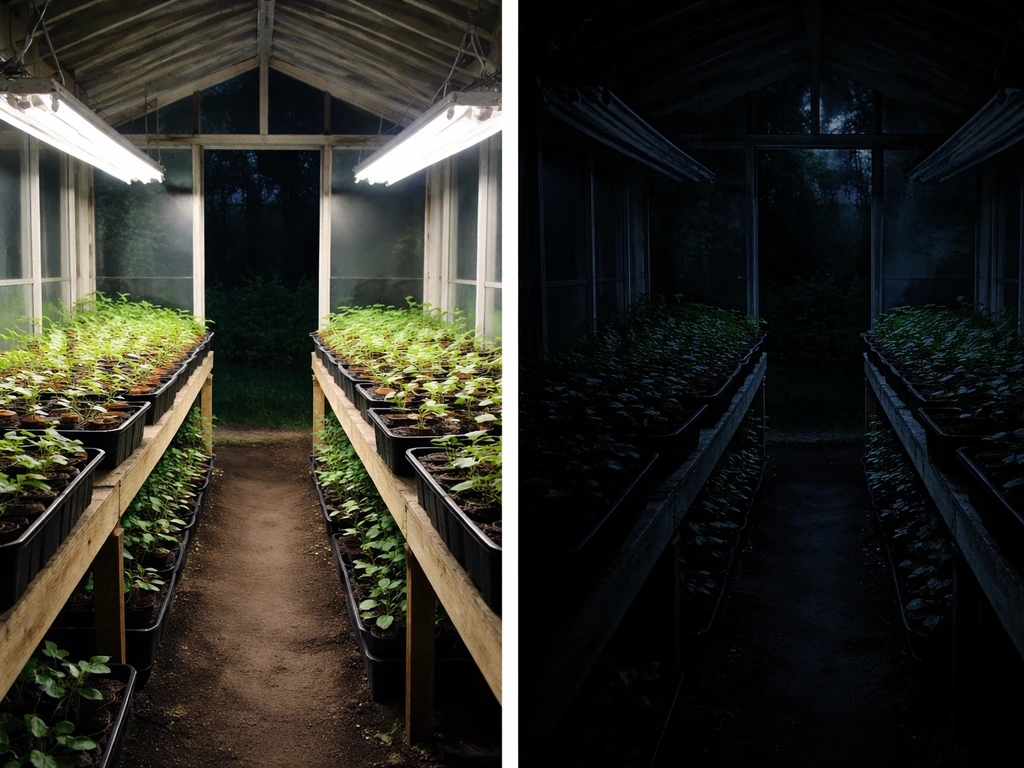
There are a few scenarios where running lights beyond a normal photoperiod, or even into the night, is intentional and useful. Commercial greenhouse growers use techniques like "day-extension lighting" (adding light at the end of the day) and "night-interruption lighting" (a brief burst of light in the middle of the night) to manipulate flowering timing for long-day crops. MSU Extension and UMass Amherst both document these as legitimate production strategies. But these are controlled, specific interventions, not the same as just leaving the lights on all night because you forgot to set a timer.
For home growers, the most reasonable case for very long photoperiods (18+ hours) is with fast-growing crops like microgreens, young seedlings in their first week or two, or certain leafy greens where you want maximum speed. Even then, you're still turning lights off for at least 6 hours. Running lights 24/7, with zero dark period, is rarely beneficial and often counterproductive, plants can show stress symptoms, and you're running up your electricity bill for no gain.
There's also a human angle worth mentioning. Grow lights, especially full-spectrum LED setups, emit bright blue-heavy light that suppresses melatonin and disrupts sleep if you're exposed to it in the evening. Harvard Health's research on blue light confirms this is a real effect. If your grow space is in your bedroom or living area, having lights blasting through the night is bad for you even if it weren't bad for the plants. Turning them off at night is good for everyone in the house.
Cases where 24/7 lighting is never appropriate
- Any short-day plant you want to flower (poinsettia, chrysanthemum, Kalanchoe) — continuous light completely prevents bloom
- Cannabis on a photoperiod flowering schedule — light leaks during dark hours cause stress, revegetation, or hermaphroditism
- Established fruiting plants that have been through weeks of vegetative growth — they need rest to maintain long-term productivity
- Any plant showing signs of light stress already (see the troubleshooting section below)
Setting up a timer so you don't have to think about it
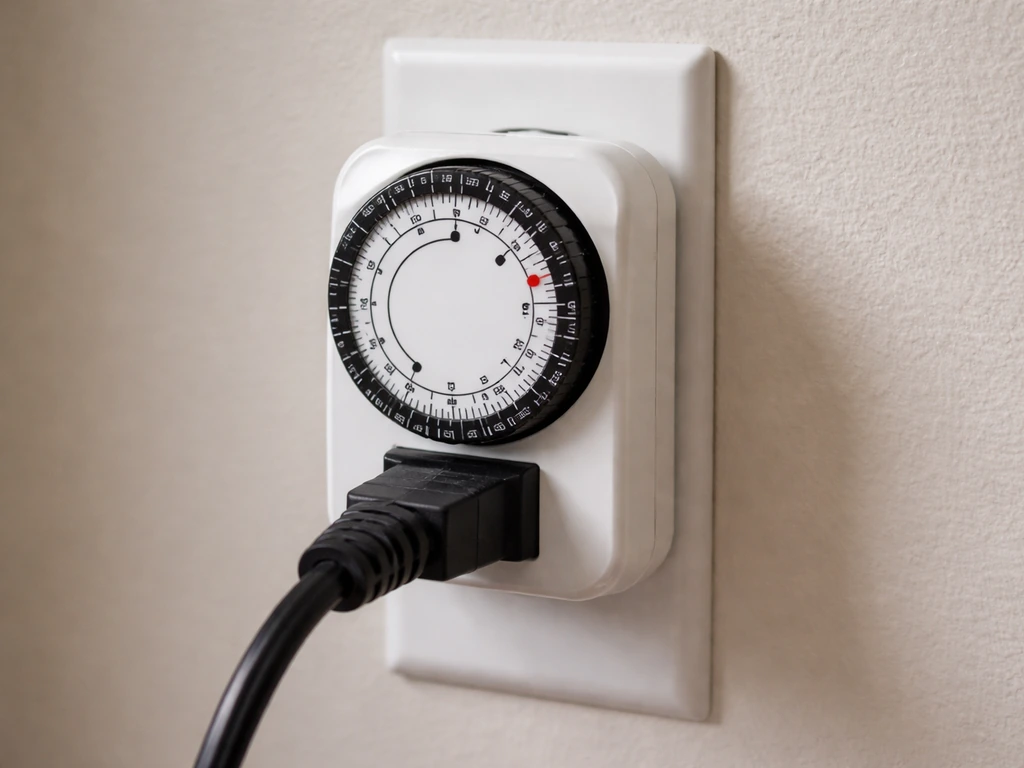
The single best thing you can do after reading this article is plug your grow light into a timer. Mechanical outlet timers cost around $10 and work perfectly well for most home setups. Digital timers give you more precision and multiple on/off windows if you need them. Smart plugs with scheduling apps work too, and they let you adjust schedules remotely.
When setting up your timer, match the on-period to your plant's needs from the table above, and make sure the off-period falls during the actual nighttime hours in your space, especially if you have short-day plants that need total darkness. Don't assume the room goes dark just because the grow light is off. If you plan to use grow lights outdoors, you still need to manage light leaks and the timing so your plants get uninterrupted dark periods when required. Streetlights, hallway light leaks, or even standby indicator LEDs on electronics can be enough to mess with sensitive photoperiod plants.
Common timer mistakes and how to avoid them
- Setting the timer incorrectly so lights run 24/7 by accident — always verify the timer by watching it cycle through at least one full on/off sequence after you set it up
- Forgetting that some grow lights have built-in timers that can conflict with an external outlet timer — if your light has its own scheduling mode, disable it and let the outlet timer do the job
- Lights that appear to turn off but still glow dimly — some LED drivers hold a small residual charge; if the dim glow is consistent, check whether the light is actually drawing power or just dissipating stored charge (unplugging briefly and replugging confirms this)
- Timer not activating because it's stuck in a demo or hold mode — power-cycle the timer itself if the light doesn't turn on at the expected time
- Abruptly changing the schedule by several hours — if you need to shift your photoperiod (say, from 18 hours to 12 hours to trigger flowering), do it in one clean step rather than gradually; plants respond to the sudden change as the signal
One more practical note on electrical safety: make sure your timer and any extension cords are rated for the wattage of your grow light. The CPSC flags improperly rated extension cords as a fire and shock hazard. Check the label on your light for wattage and confirm your timer can handle it, most standard outlet timers handle up to 15 amps (about 1,800 watts), which is plenty for home grow setups, but always verify.
Signs your night schedule is off (and what they mean)
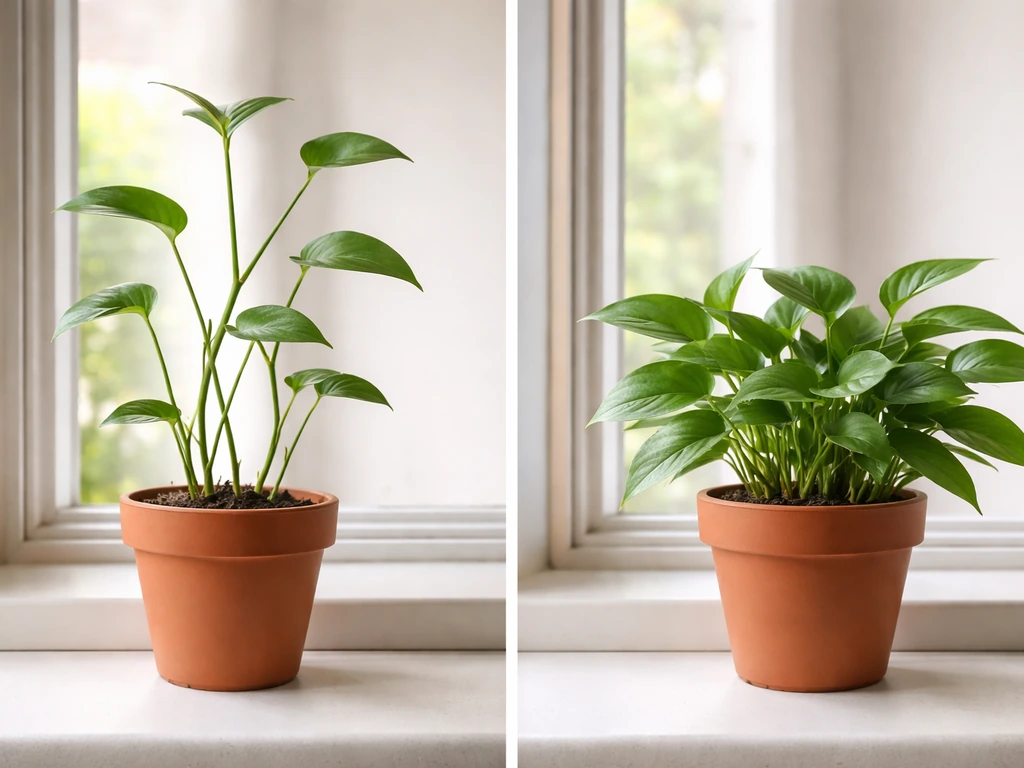
Plants are pretty good at telling you when the light schedule is wrong. Here's what to look for and what it usually means:
| Symptom | Likely Cause | What to Do |
|---|---|---|
| Stretching / leggy stems | Too few light hours OR light too far away | Increase photoperiod slightly or lower the light; check distance first |
| Slow growth despite adequate light | Too few total hours or too short a daily light period | Bump up light hours toward the upper range for your plant type |
| Leaves curling, yellowing, or showing stress marks | Too many light hours — plant not getting enough rest | Reduce photoperiod by 2 hours and observe over a week |
| Short-day plant refuses to flower despite being mature | Dark period being interrupted by ambient light | Check for light leaks; cover the plant or move it to a darker space during off hours |
| Long-day plant flowering too early or unexpectedly | Photoperiod too short; dark period triggering a flowering response | Increase light hours to 16+ to keep plant vegetative |
| Cannabis plant showing signs of revegetation or stress during flowering | Light leak during dark period | Audit the grow space for any light sources during lights-off and seal them |
| Bushy, compact growth with deep green color | Schedule is dialed in — this is what you want | Keep doing what you're doing |
If you make a schedule change, give the plant at least 7 to 10 days before judging the result. Plant growth responds slowly to lighting adjustments, and it's tempting to keep tweaking before you've given the last change time to work. Pick a schedule based on your plant type, set the timer, and wait.
The bottom line on nighttime grow light schedules
Turning your grow lights off at night is the right call for almost every plant and every situation. The dark period isn't wasted time, it's when a lot of important plant biology happens, from hormone regulation to the night-length measurement that drives flowering. Most plants thrive on 14-16 hours of light and 8-10 hours of darkness. Use a timer, match the schedule to your plant type and growth stage, and keep the dark period actually dark for anything that's photoperiod-sensitive. That's really the whole playbook. If you've been wondering whether leaving lights on 24/7 would give you faster results, the answer for most plants is no, and for some it actively causes problems.
FAQ
What if my room stays bright at night, even after I turn off the grow lights?
If your grow space shares light with the rest of the room, you can still break the plant's uninterrupted dark period. For photoperiod-sensitive plants, try to block indirect sources like hallway LEDs, TV screens, and streetlight glow, and cover the grow area with a light-blocking tent or curtain if needed.
How can I make sure the “dark period” is uninterrupted?
Use a timer that does not reboot at the wrong time (some smart plugs can miss schedules during outages). Also avoid any manual “check-ins” with the lights on, and do your nighttime inspections with a red or very dim light to reduce night-interruption for sensitive plants.
Should I turn off grow lights completely for seedlings, or use a lower intensity at night?
For most seedlings, the simple approach is to turn lights off during the dark window rather than switching to a dim mode. Some plants can tolerate reduced intensity, but if you are trying to keep a consistent photoperiod signal, off is more reliable and easier to troubleshoot.
Does the darkness requirement change if I’m using LED grow lights at very high power?
The intensity can affect growth speed, but the biological need for a true dark period still applies. Even with strong LEDs, you should keep a regular off window, and only adjust intensity within the schedule, not by eliminating darkness.
How long should I wait before deciding the lighting schedule isn’t working?
After changing the on/off schedule, give the plant 7 to 10 days before judging. Growth changes and hormone responses lag behind, so frequent tweaking usually causes more stress than it solves.
My plant looks “stretched.” Does that mean it needs light at night?
Stretching is often a sign of insufficient total light intensity or too much distance from the light, rather than lack of nighttime light. First adjust height and brightness during the light-on period, then confirm your daily schedule is correct, instead of extending the photoperiod into the night.
Are there situations where it’s okay to leave grow lights on all night?
For most home growers, it’s rarely beneficial and can cause stress or uneven growth. The main exceptions are controlled production techniques like day-extension or night-interruption lighting, which require specific timing and a consistent, planned approach, not accidental 24/7 use.
How should I set a timer for a plant that needs long uninterrupted darkness (like poinsettia)?
Build your timer around the actual nighttime in your space, not just “8 hours after sunrise.” For very sensitive short-day or flowering triggers, aim for the required hours of totally uninterrupted darkness, and double-check that no other light sources keep the area from going fully dark.
What’s the safest way to size a timer or power setup for grow lights?
Confirm your light’s wattage and voltage, then ensure the timer and any extension cords are rated for that load. If you are near the upper limit of the timer’s rating, consider using a properly rated heavy-duty timer or distributing loads safely, rather than relying on an underspecified outlet timer.
Can I use smart plugs, and will they reliably handle plant schedules?
Smart plugs can work well, but watch out for connectivity issues, power-loss behavior, and schedule resets after outages. If you rely on them for photoperiod-critical plants, test the schedule for a few days and consider a backup mechanical timer if your area has frequent power disruptions.
Should I turn off grow lights if my grow area is in a bedroom where I’m sleeping nearby?
Yes. Even if the plants were fine without a dark period, blue-heavy light can disrupt your melatonin and sleep. Turning lights off at night improves plant biology and also your own comfort and sleep quality.
Next Articles
Can You Leave a Grow Light on 24/7? Safe Schedules
Learn when you can run grow lights 24/7 safely, how photoperiod affects plants, and ideal schedules by plant type.
Can I Leave Grow Lights On 24 Hours? Safe Tips
Can you leave grow lights on 24 hours? Learn risks, best light cycles, and safe schedules for healthier indoor plants.
Should Grow Lights Be On 24/7? Best Schedules for Plants
Know when grow lights should not run 24/7, best daily schedules by plant type, safe timing, distance, and troubleshootin