No, grow lights should not be on 24/7 for most plants. The sweet spot for the vast majority of indoor plants is somewhere between 12 and 18 hours of light per day, with a real dark period built in. If you're tempted to leave them on 24 hours, remember that most schedules use a daily on window instead and rely on a dark period, and this guide covers that approach in detail. Running lights around the clock feels like it should produce faster growth, but it usually backfires: plants need darkness to complete their internal cycles, and skipping that can cause leaf chlorosis, stunted growth, and in flowering plants, complete failure to bloom. A simple outlet timer set to 14–16 hours is genuinely all most people need.
Should Grow Lights Be On 24/7? Best Schedules for Plants
Marcus Holloway
5 Jun 2026
Why plants don't actually want light all the time
Plants have a biological clock, and it's not optional. Just like humans have circadian rhythms tied to light and dark, plants use light-to-dark and dark-to-light transitions as timing signals that regulate hormone production, growth spurts, and even when they open their stomata. Research into plant clock genes shows that these internal clocks are actively coupled to light signals, meaning the transition from light to dark (and back again) is information the plant actually uses. It's not just the hours of light that matter; the switch itself is part of the message.
blank" rel="noopener noreferrer">Hormones like auxin and gibberellin, which directly drive cell elongation and overall growth, oscillate in a circadian pattern. blank" rel="noopener noreferrer">Studies have found that some of this hormone activity is timed specifically to dawn. Cut out the dark period and you disrupt those transition cues, and the plant's hormonal rhythm goes out of sync. You don't just get a neutral result; you actively interfere with growth programming the plant was trying to run.
There's also a tomato study worth knowing about: continuous 24-hour light did increase short-term dry mass and carbon gain, but it also reduced chlorophyll content over time. The leaves literally started losing their green. More hours of light produced physiological stress, not just a growth bonus. And cannabis research has documented similar adverse effects from prolonged photoperiods: chlorosis, decreased productivity, and stress markers. The message across species is pretty consistent: darkness isn't downtime, it's part of the program.
How to set the right daily light schedule for your plants
Different plants have genuinely different needs, and matching your timer to the plant type makes a bigger difference than any other single setting. Here's a practical breakdown:
| Plant Type | Recommended Daily Light | Notes |
|---|---|---|
| Seedlings (all types) | 14–16 hours | Need strong, consistent light to avoid leggy stretching; avoid 24/7 |
| Leafy greens (lettuce, spinach, herbs) | 14–16 hours | Tolerate longer photoperiods well; great starter plants for grow lights |
| Fruiting vegetables (tomatoes, peppers) | 14–18 hours | High light demand; more hours help but dark period still essential |
| Flowering plants (orchids, African violets) | 12–14 hours | Many are photoperiod-sensitive; wrong hours = no flowers |
| Short-day flowering plants (cannabis, chrysanthemums) | 12 hours light / 12 hours dark | Flowering is triggered by the dark period; 24/7 light prevents it entirely |
| Succulents and cacti | 12–14 hours | Low light demand; less is often better; heat from long runtimes is a risk |
The simplest approach: buy a basic plug-in outlet timer (they cost under $15), set it to come on when you wake up, and turn off 14–16 hours later. For most leafy greens and seedlings, that schedule just works. For flowering plants, especially anything described as a "short-day" plant, stick firmly to 12 hours on and 12 hours off, and don't cheat the dark period with room lights or phone screens near the plants either.
The cases where continuous lighting actually makes sense
There are a few narrow situations where running lights for longer stretches, or even close to 24 hours temporarily, is reasonable. The most common is the very early seedling stage, specifically the first few days after germination before true leaves appear. At that point, seedlings are racing to find light and establish themselves, and some growers run lights for 20 hours to give them a strong start. This is short-term, not a permanent schedule.
Certain crops, like lettuce under commercial growing conditions, are sometimes grown under near-continuous light with careful cultivar selection and lower light intensity, specifically because those varieties have been bred to tolerate it. But for home growers using standard plant varieties, this is not the norm. If you're experimenting with a specific cultivar and the seed supplier's instructions recommend extended photoperiods, follow those instructions, but treat that as a special case rather than a general rule.
Another practical case: if you're in a northern climate in deep winter and only getting 6–8 hours of weak natural daylight, supplementing with grow lights to push total light up to 14–16 hours per day is exactly what they're for. If you’re wondering whether you can use grow lights outdoors, the same timing and intensity rules apply, but you also need to account for weather and power safety supplementing with grow lights. You're not replacing all light with artificial; you're topping up. That kind of supplemental use is highly effective and very safe.
Intensity and distance matter more than raw hours
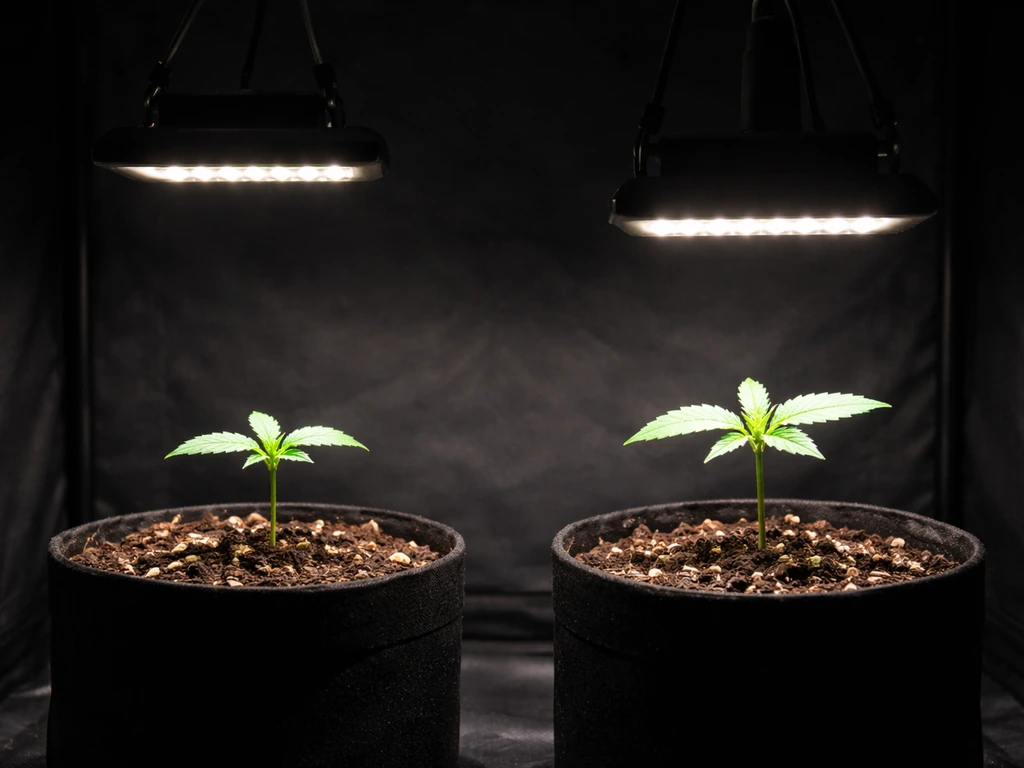
Here's something most beginners get wrong: they focus entirely on how long the light is on and ignore how bright it actually is at the plant's leaf surface. A dim light running 18 hours delivers less usable energy than a properly positioned bright light running 14 hours. The metric that really matters is PPFD (photosynthetic photon flux density), which is just a measure of how much light is actually hitting the plant. You don't need to own a meter to work with this concept.
Most grow light manufacturers list recommended hanging heights for a reason. LED panels are typically hung 18–24 inches above seedlings and leafy greens, and can move closer (12–18 inches) for fruiting plants that need higher intensity. Moving a light 6 inches closer roughly doubles the light intensity at the plant surface. So if your seedlings are stretching and look pale, the answer is almost never "run the light longer." It's almost always "move the light closer" or "get a brighter light."
- Seedlings: aim for about 200–400 PPFD; keep lights 18–24 inches above the tray
- Leafy greens: 200–400 PPFD works well; 16–20 inches above canopy
- Tomatoes and peppers: 400–600 PPFD; 12–18 inches above canopy
- Flowering plants: 400–700 PPFD depending on species; follow the light manufacturer's chart
- If plants are stretching toward the light, it's too far away or too dim
- If leaf tips are bleaching or curling upward, the light is too close or too intense
If your grow light has a dimmer (most modern LEDs do), use it. Running a light at 70–80% intensity for 14 hours often produces better results than running it at 100% for 10 hours, especially during early growth stages. Start lower and watch the plant's response over a week before adjusting.
What goes wrong with bad schedules, and how to fix it
Leggy, stretching seedlings
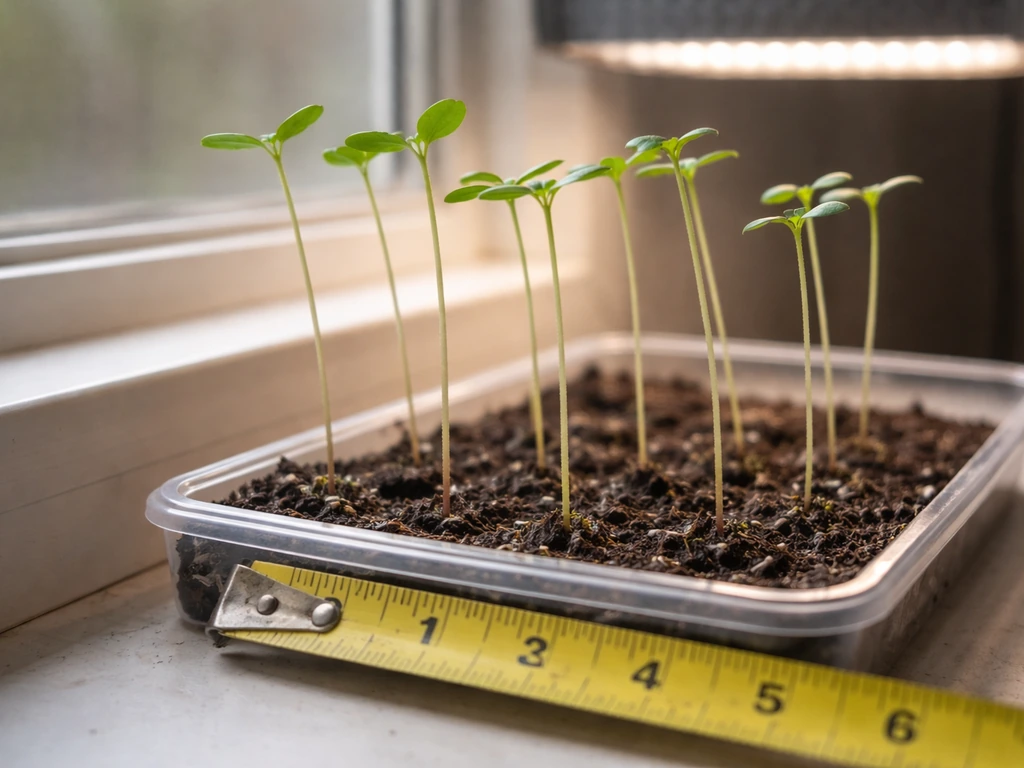
Tall, thin stems with large gaps between leaves almost always mean the plant isn't getting enough light intensity, not enough hours. Move the light closer by 4–6 inches and wait a week. If you're already at the minimum recommended distance, consider that your light may be underpowered for the number of plants you're growing.
Pale or yellowing leaves (chlorosis)
Yellowing can mean too little light, but if you're already running lights long hours, it can mean too much continuous light is breaking down chlorophyll, exactly what the tomato research showed. Try reducing your light schedule by 2 hours and see if new growth comes in greener. Also rule out nutrient deficiencies, especially nitrogen, which causes similar symptoms.
Crispy or bleached leaf tips
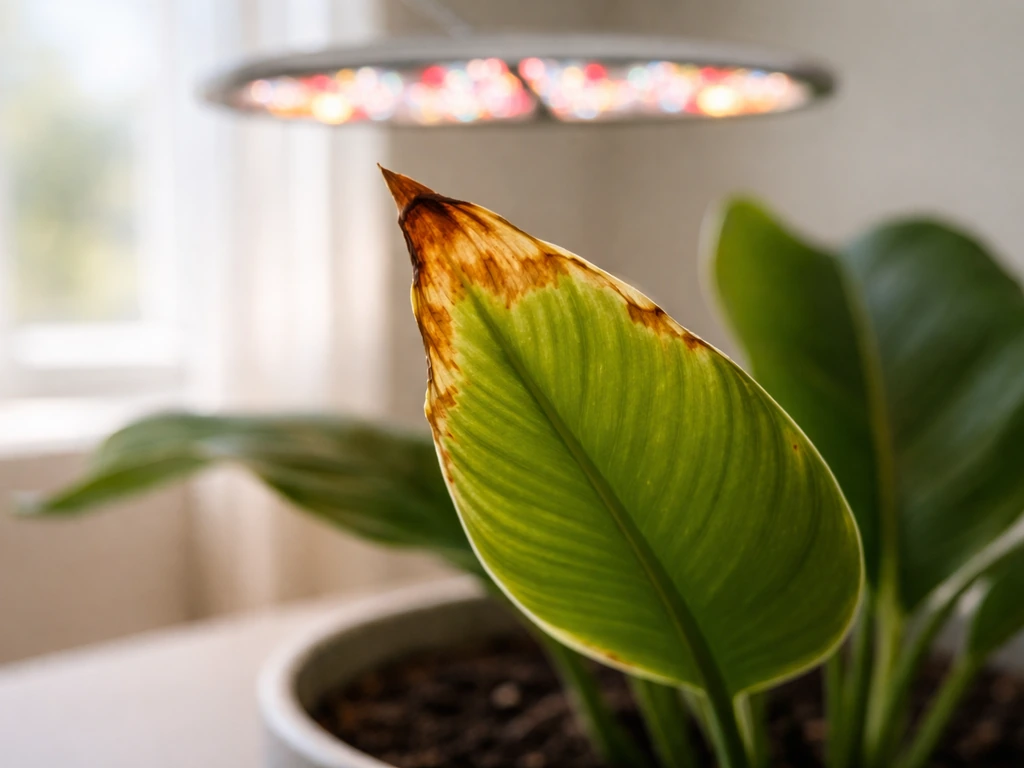
This is usually a combination of light intensity too high and heat too close to the plant. Raise the light 4–6 inches, reduce intensity if your fixture allows it, and make sure there's airflow around the plants. A small fan pointing gently at the canopy helps with both heat and CO2 exchange.
Flowering plants that won't flower
If you have a plant that should be flowering but isn't, check whether it's a short-day plant. If it is, and your timer is set to 14–16 hours, that's your problem. Switch to a strict 12 hours on, 12 hours off schedule, and make sure the dark period is genuinely dark. Even a streetlight coming through a window or a LED status light on a power strip can be enough to disrupt photoperiod-sensitive flowering.
Leaf curl and heat stress
Leaves cupping upward (like a taco) or curling under at the edges are signs of heat stress. Measure the temperature at canopy level; it should be between 65–80°F (18–27°C) for most plants. If it's higher, raise the light, add a fan, or reduce daily runtime. Even efficient LEDs generate some heat, especially at close range.
Practical setup: timers, airflow, and placement
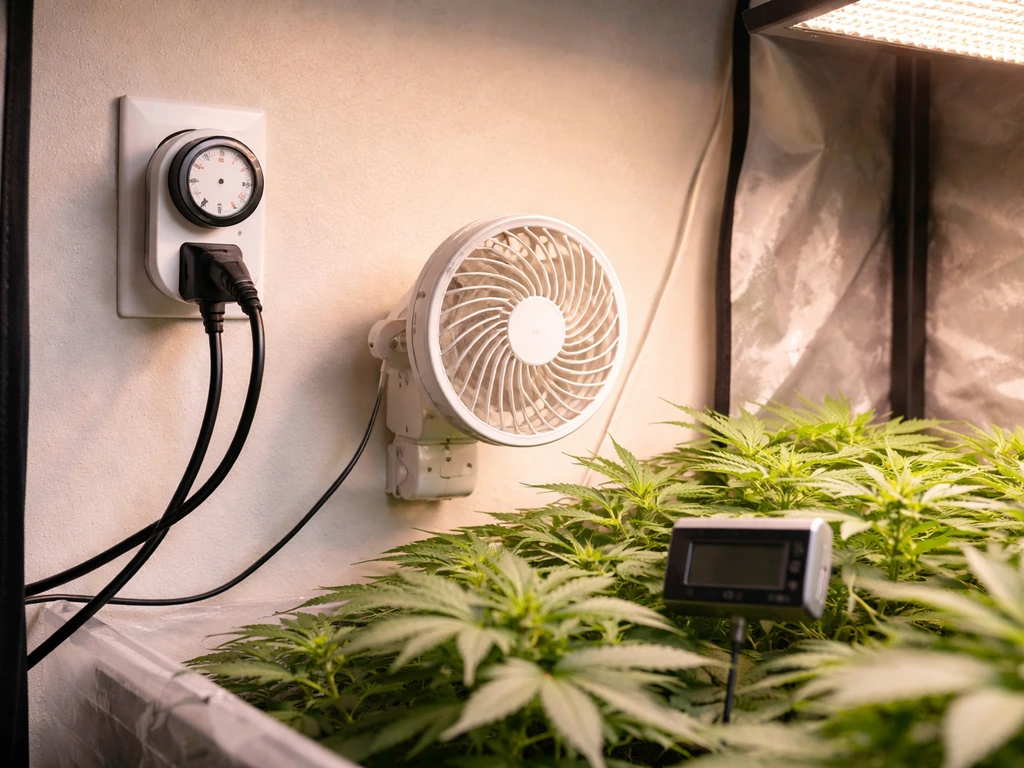
The single most impactful thing you can add to any grow light setup is a timer. A basic mechanical outlet timer handles everything automatically: plug the timer into the wall, plug the grow light into the timer, set the on/off times, and you're done. Digital timers offer more precision and are worth the extra few dollars if you want multiple on/off windows per day or very exact timing for photoperiod-sensitive plants.
On the safety side: grow lights draw real power, and running them for 14–16 hours a day adds up on your electricity bill and generates heat. Don't daisy-chain grow lights through extension cords or power strips unless those strips are rated for the total wattage. Keep lights away from curtains, cardboard, or anything flammable. If you're using an HID or older fluorescent setup (rather than modern LED), heat management is especially important; LEDs run much cooler and are a safer default for home use.
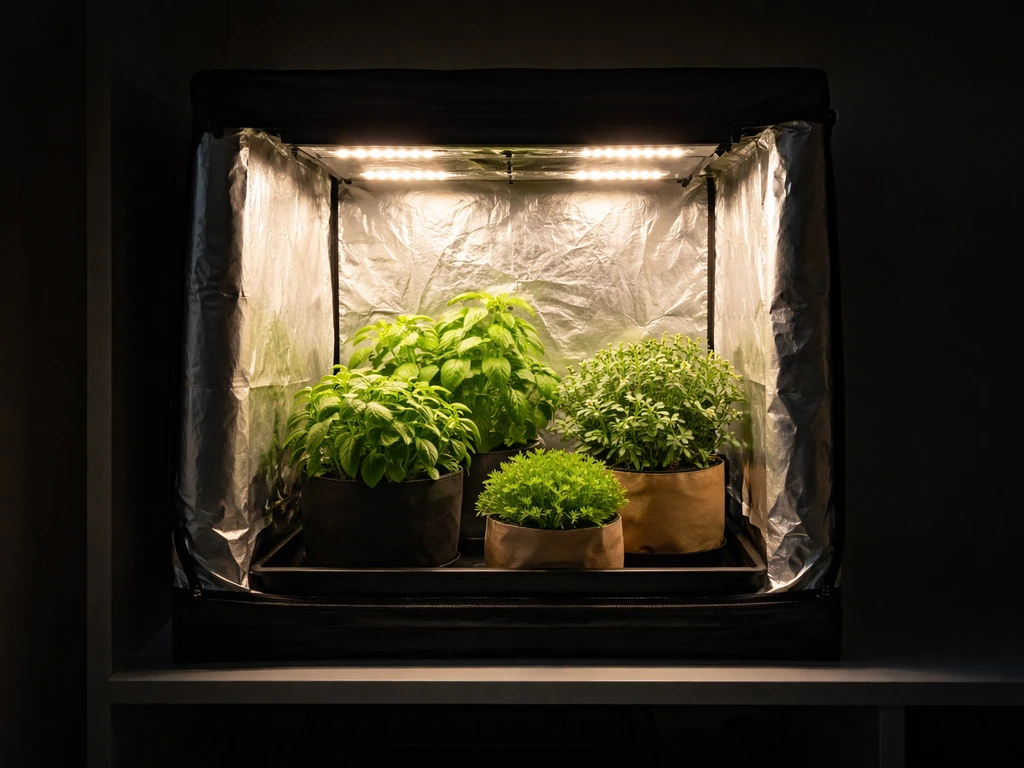
One thing people ask about: will the grow light disturb sleep or glow too much? Modern LED grow lights, especially those with a blueish-white or pink/purple spectrum, are noticeable but not unusually dangerous to eyes for incidental exposure. If your grow area is in a bedroom or space where light spill is a problem, use a timer to run lights during daytime hours only, or hang a reflective tent or light-blocking curtain around your grow space. If you want to run lights at night, use a proper timer and still keep consistent light-to-dark cycles, since plants rely on that schedule daytime hours only. The light isn't going to harm you, but scheduling it to daylight hours solves the annoyance issue cleanly.
What to realistically expect and how to dial things in
Give any lighting change at least one to two weeks before judging results. Plants respond slowly to environmental adjustments, and new growth is the clearest signal you have. If you just switched from 24/7 to a 16-hour schedule, don't panic if the plant looks the same after three days. Watch for new leaf color, stem thickness, and whether flowering plants start showing bud sites.
For seedlings started under grow lights, expect germination in the usual range for the species (5–14 days for most vegetables), and true leaves within the first two weeks. Seedlings should be stocky and compact under good light, not tall and floppy. Leafy greens like lettuce can reach harvest size in 4–6 weeks under good LED lighting at 14–16 hours per day. Tomatoes take 6–8 weeks from seed to transplant-ready size. Flowering plants vary wildly, but most will begin showing flowers within 8–12 weeks once conditions are right.
The best troubleshooting habit you can build: take a photo of your plants once a week from the same angle, under the same conditions. It sounds tedious but it makes changes visible that you'd otherwise miss day to day. If something starts looking off, you can compare back a week or two and spot exactly when the problem started and what changed around that time. Combined with a stable timer schedule and correct light distance, that habit alone will make you a much more effective indoor grower.
FAQ
Can I run my grow lights 24/7 for a day to “catch up” after changing schedules?
It is better not to extend to 24/7, even briefly, because plants use the timing of the dark period as a signal. If you accidentally skipped darkness, return to a normal on/off schedule the next day rather than increasing runtime to compensate.
What should the “dark period” actually be like, complete darkness or just dim lighting?
Photoperiod-sensitive plants need the dark period to be genuinely dark. Even weak stray light (streetlight through a window, LEDs on equipment, phone screen glow near the canopy) can disrupt flowering, so use a timer, block light spill, and keep the grow area isolated.
If my plants look fine, does that mean 24/7 lighting is harmless?
Not necessarily. Some stress effects show up slowly, for example gradual chlorophyll loss or reduced flowering later. A weekly photo plus checking new leaf color over 1 to 2 weeks will reveal issues that a quick glance misses.
How do I choose between 14–16 hours and 12/12 for different plants?
Use 14–16 hours for most leafy plants and seedlings when light intensity at the leaf surface is adequate, but switch to a strict 12 hours on and 12 off for short-day flowering types. If a seed supplier specifies an extended or exact photoperiod, follow that specific guidance for that cultivar.
Do grow lights at night affect plants differently than sunlight during the day?
Plants respond to the light-to-dark pattern, not whether the source is the sun or a lamp. If your schedule gives the same total daily photoperiod and you keep light intensity consistent, the plant’s internal clock still gets the timing cues.
Should I use one continuous on period or multiple shorter on periods (split schedule)?
Most home setups use one continuous block (for example 14–16 hours). If you use split periods, keep the total photoperiod the same and avoid creating tiny gaps that effectively reduce the dark period for flowering plants, since they rely on a clean uninterrupted night.
Is it better to increase intensity or increase hours if my plants seem slow?
In general, intensity and distance matter more than simply extending runtime. If plants stretch or look pale, try moving the light closer within the manufacturer’s range and consider dimmer control before adding hours, because more light does not help if the plant is heat-stressed or light is insufficient at the leaf surface.
How can I tell whether yellowing is from too little light or too much continuous light?
If you already run long hours, yellowing can be either low light or chlorophyll breakdown from excessive continuous photoperiod. Look for accompanying signs like heat stress (curling, upward cupping) and review nutrients (especially nitrogen). A practical test is reducing the daily light by about 2 hours and watching new growth color over a week.
If I’m growing in winter with weak daylight, does that mean my lights can stay on longer?
You can top up, but you still should not aim for 24/7. Target a total daily light window (indoors or outdoors) that lands around 14–16 hours for many plants, and remember that outdoor conditions change rapidly with weather and season.
Are there any plants where near-continuous lighting is actually common at home?
Some cultivars bred for tolerance (for example certain lettuce types) can handle near-continuous schedules under commercial-style conditions, but typical home varieties usually do better with a daily dark period. If you do experiment, start with the manufacturer or seed-supplier recommendation for that cultivar, not a generic rule.
My seedlings were stretching after I changed the timer. Should I increase hours first?
Usually no. Stretching with wide gaps typically points to insufficient intensity at the canopy or heat issues. First, check hanging height and increase output by lowering distance or using higher power, then reassess after about a week rather than adding hours immediately.
Can I use the same schedule for veg growth and flowering?
Not for photoperiod flowering plants. Veg often benefits from longer photoperiods, but flowering typically requires the correct dark period to trigger bud formation. Keep veg and flower schedules separate, and use a timer that gives an uninterrupted night.
What is the quickest safe way to adjust from 24/7 to a normal schedule?
Switch directly to a standard on/off cycle (for example 14–16 hours on for many plants) and keep the timer stable. Avoid gradual changes that you constantly tweak day to day, since frequent adjustments make it harder to interpret symptoms.
How long should I wait before deciding the schedule change worked?
Give adjustments at least 1 to 2 weeks. New growth is your clearest evidence, and leaf color or flowering response usually takes longer than a few days to show a true trend.
Next Articles
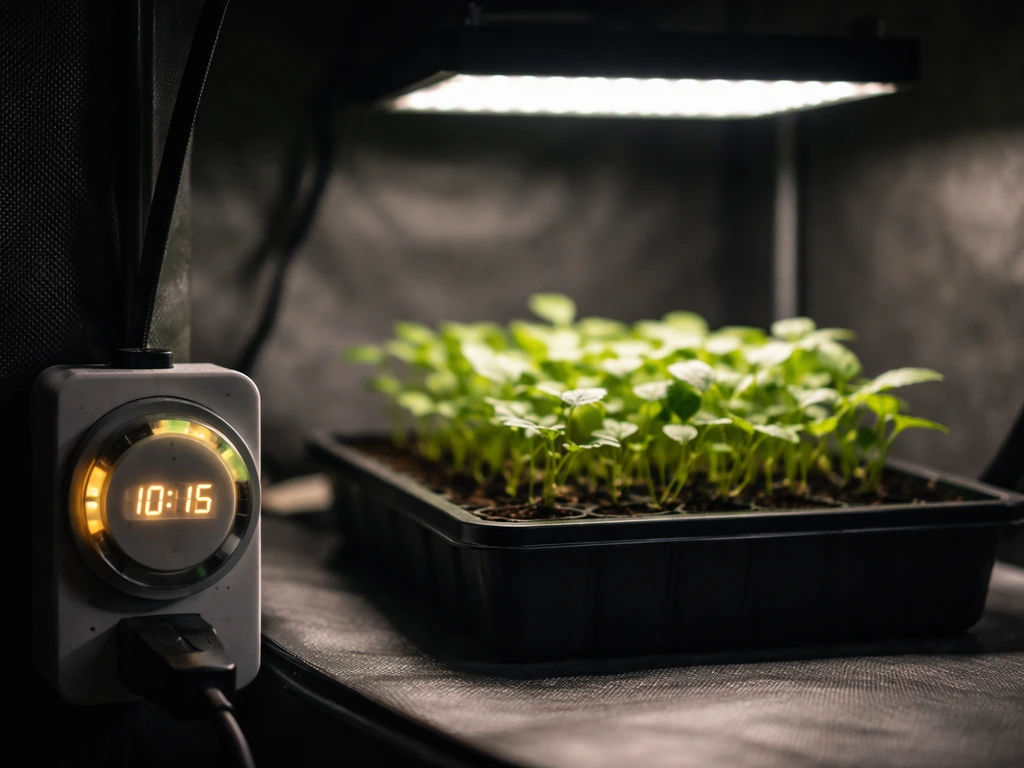
Should Grow Lights Be On All the Time? How Long to Run
Answer whether grow lights should run 24/7 and how long to use timers based on plant needs, growth stage, and safety.
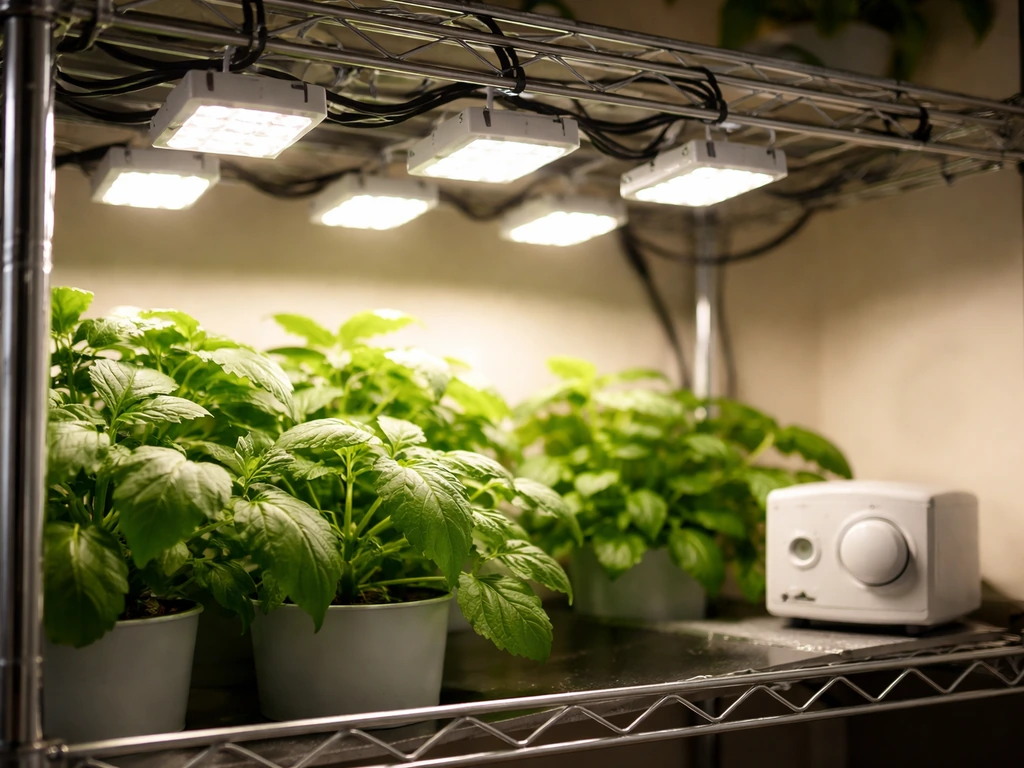
Can You Leave Grow Lights On 24/7? Safety and Schedule Tips
Find out if you can leave grow lights on 24/7, plus safe schedules, timer tips, and fixes for stress or overheating.
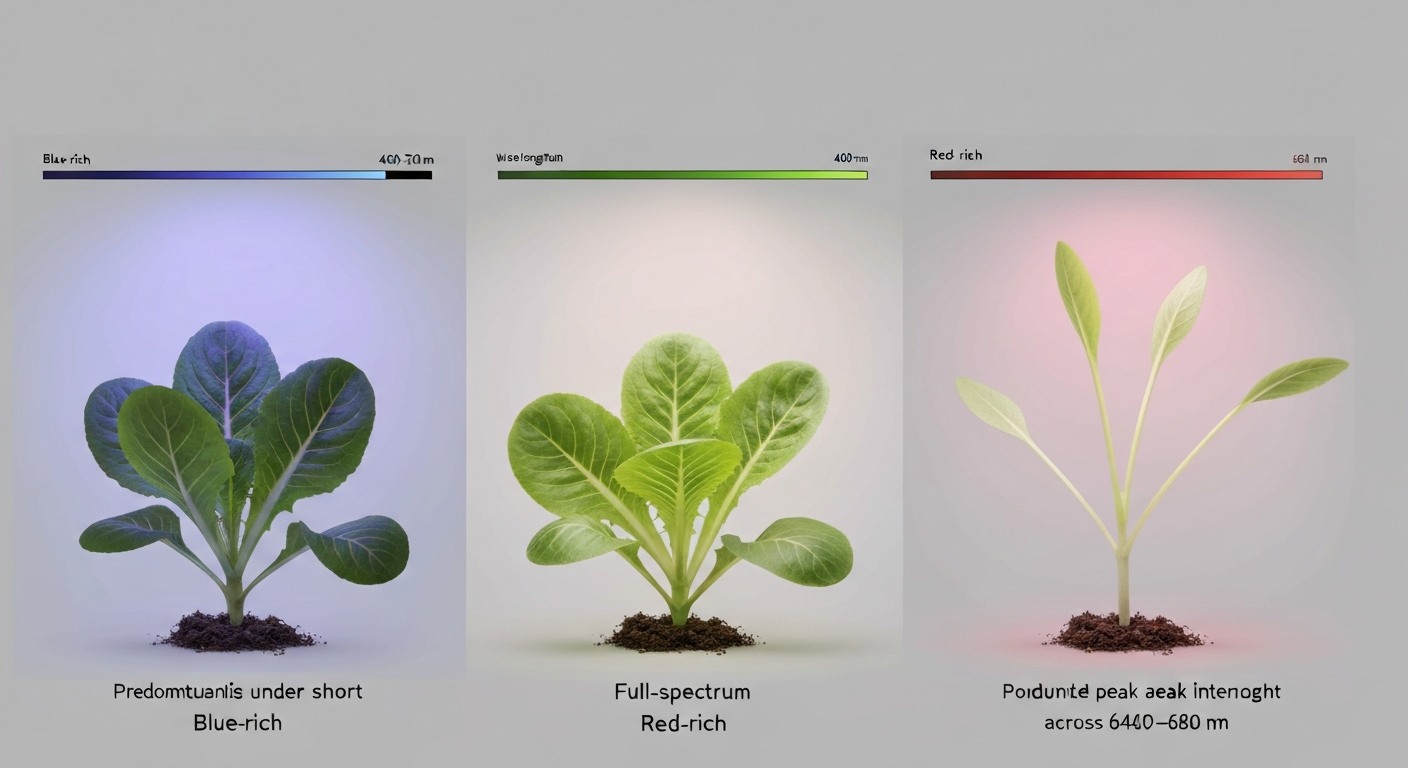
Why Do Plants Grow Best in Blue Light? Science & Practical Guide
Explore why blue light boosts vegetative growth, ideal blue:red ratios, PPFD, photoperiods, fixtures, and setup tips.