
Yes, grow lights produce heat, every single one of them. LED grow lights run much cooler than older HID or fluorescent fixtures, but they still get warm, sometimes noticeably so. The heat just shows up in different places depending on the light type, and understanding that difference is what helps you set up a safe, plant-friendly space.
Do Grow Lights Produce Heat? How Hot LEDs Get and Tips
Marcus Holloway
18 May 2026
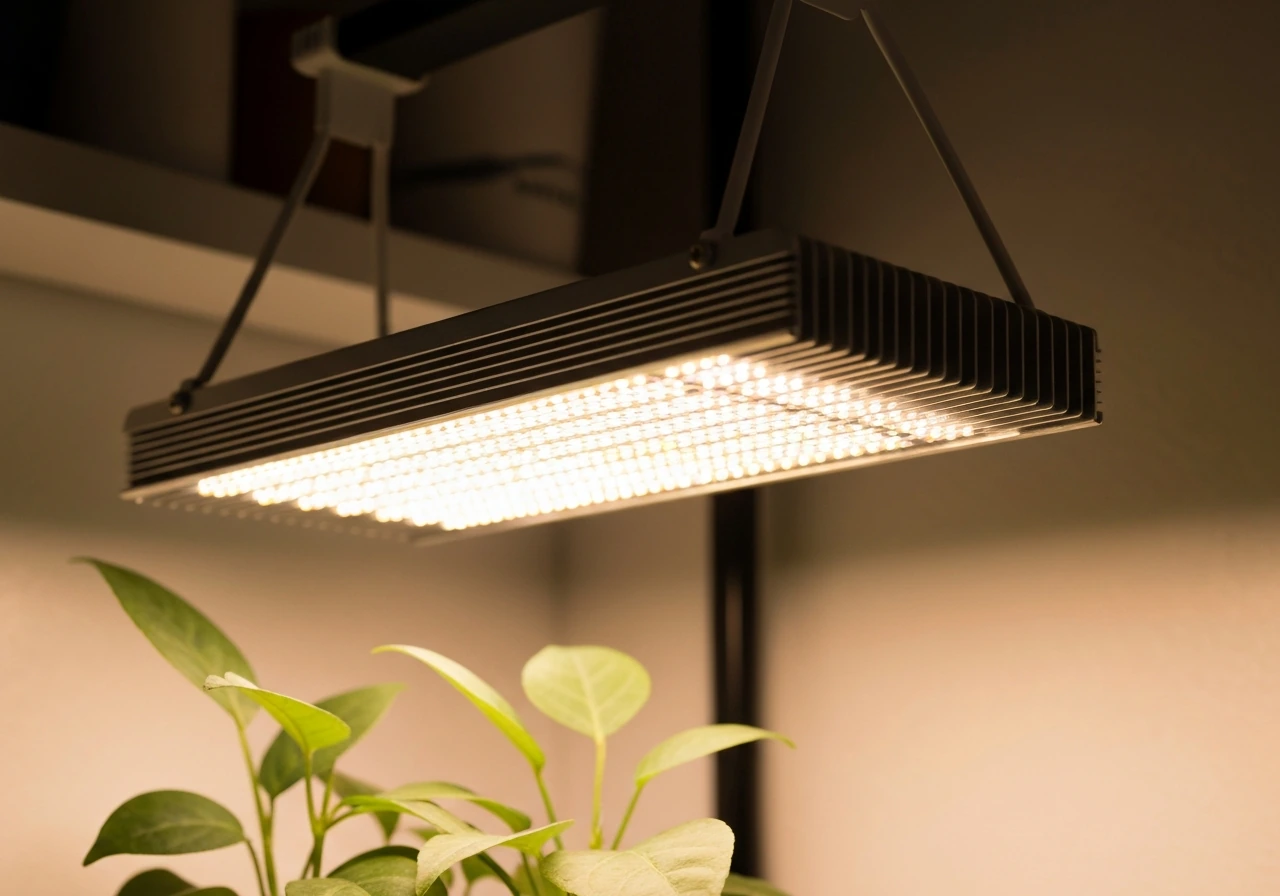
How LED grow lights generate heat and where it shows up
Every grow light converts electrical energy into light, and no conversion is 100% efficient. Whatever energy doesn't become usable light becomes heat. With older technologies like HPS or T5 fluorescents, a huge portion of energy radiates as infrared heat directly from the bulb into the space below, which is why plants under HPS lights can bake quickly if the fixture is hung too low.
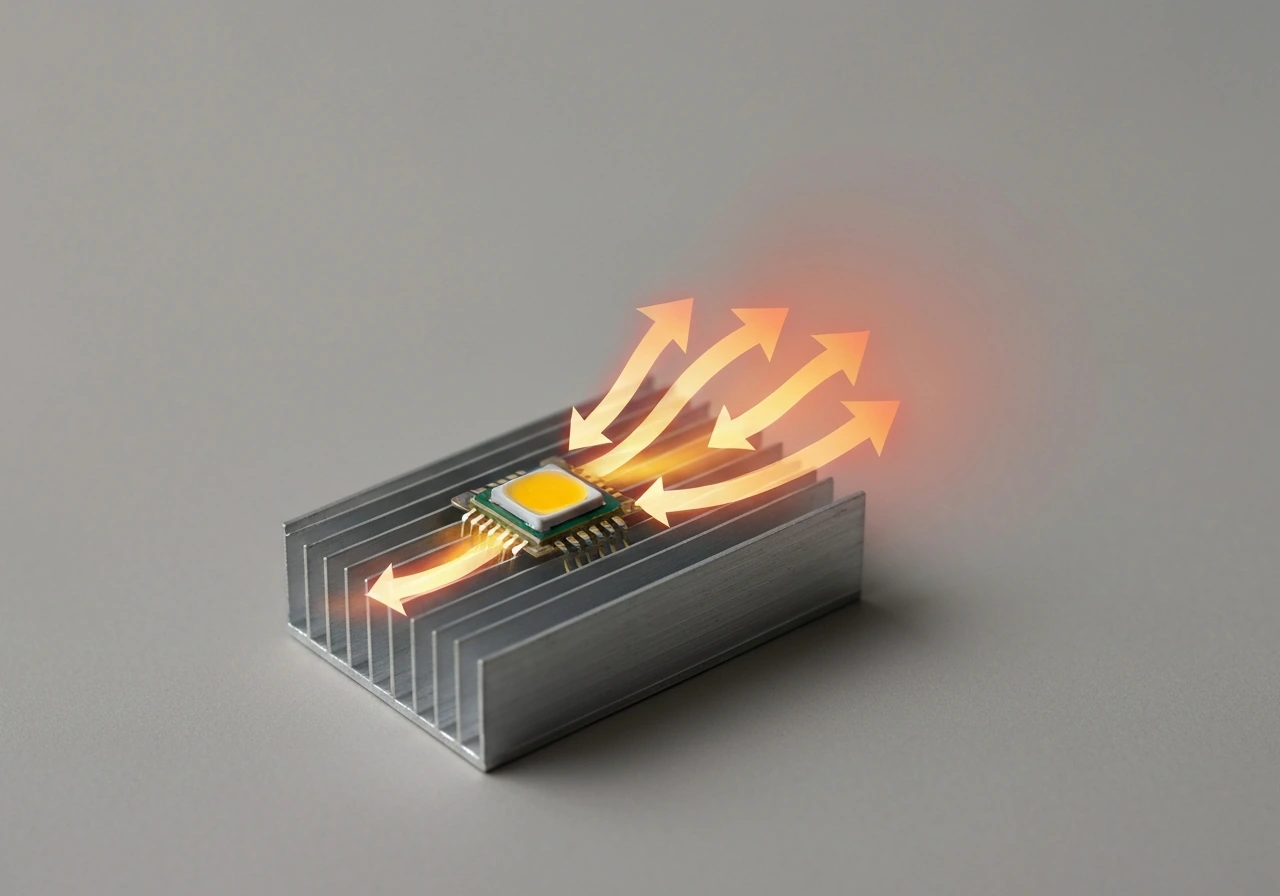
LEDs handle this differently. The LED chips themselves generate heat at a point called the junction (the spot inside the chip where electricity actually becomes light). LED manufacturers publish a maximum junction temperature, often around 150°C as an absolute upper limit, but good fixtures are designed to keep operating junction temps well below that. The heat doesn't radiate outward into the air the way an incandescent bulb does. Instead, it moves inward and backward through a heatsink, which is that chunky aluminum plate or finned structure you see on the back of most LED grow panels.
That heatsink is doing real work. It pulls heat away from the LED chips and dissipates it into the surrounding air. This means the front face of an LED panel, the side facing your plants, often feels only mildly warm. The back, where the heatsink sits, can get noticeably hotter. If your LED panel has a built-in fan, that fan is cooling the heatsink, not the LEDs directly. Fanless or passive-cooling panels rely entirely on heatsink surface area and airflow in the room to keep temperatures in check.
How hot do grow lights actually get
Here's what 'hot' realistically means for the most common fixture types people use at home:
| Light Type | Surface Temp (Typical) | Ambient Air Effect | Feel to the Touch |
|---|---|---|---|
| LED grow light (quality panel) | 35–55°C (95–130°F) at heatsink | Minimal to moderate | Warm to uncomfortably hot on heatsink |
| LED grow light (budget/COB) | 50–70°C (122–158°F) at heatsink | Moderate | Hot; can cause burns with sustained contact |
| T5 / T8 fluorescent | 30–45°C (86–113°F) at tube surface | Low | Warm |
| HPS / MH (HID) | 200–300°C+ near bulb | High; major room heat contributor | Dangerous; do not touch when on |
The ambient air temperature rise below a modern LED panel is typically modest, often just 2 to 5 degrees Fahrenheit above room temperature in a well-ventilated space. That's a world away from HID lights, which can push grow tent temperatures up by 10 to 20°F and force growers to run dedicated air conditioning.
If you've heard concerns about heat lamps helping plants grow or worry about how different lamp types compare, the key takeaway is that LED fixtures redirect most of their heat upward and away from the plant canopy, not down into it. Yes, you can use sun lamps to grow plants, but you still need to manage light intensity, heat, and distance to the canopy.
If you are wondering do heat lamps help plants grow, the effect depends heavily on how much heat they add compared with the light intensity and how well your space is ventilated. If you are wondering can a regular lamp help plants grow, it usually comes down to whether the light provides enough usable brightness and the right spectrum, not just whether it produces heat.
How to check heat in your own setup
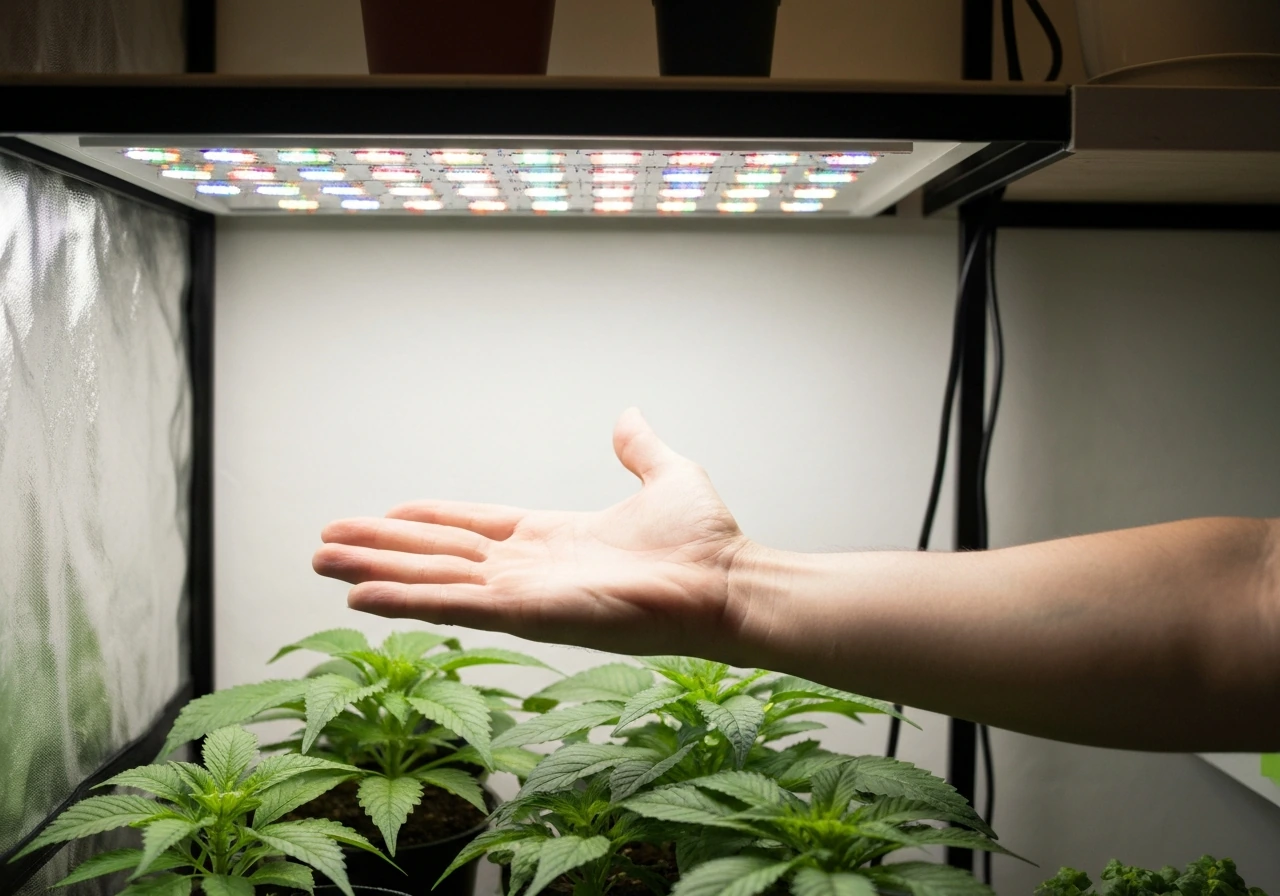
You don't need fancy equipment to get a good sense of what's happening thermally in your grow space. Here are the quick checks I actually use: For more specific guidance on measuring LED case temperature (Tc), LEDiL thermal measurement instructions advise using a thermocouple firmly glued to the Tc measurement point on the LED module.
- Hand test at canopy level: Hold your palm flat at the height of your plant tops and leave it there for 30 seconds. If it feels uncomfortably warm, your plants are getting too much radiant heat and you need to raise the light.
- Surface temperature check: A cheap infrared thermometer (under $15) lets you point and shoot at the heatsink, the driver housing, and the front face of your panel. Heatsink temps of 35–55°C are normal for a well-designed LED. If you're seeing 75°C or above on the housing, something is off.
- Thermocouple for precise LED temp: If you want to get more technical, use a thin thermocouple (a small probe thermometer) taped firmly to the LED case or COB emission area. This gives you case temperature, which is what LED manufacturers like Nichia and Cree use as a reference point in their datasheets.
- Room and tent temperature: A simple digital thermometer with a probe positioned at canopy height tells you ambient air temp. Most plants want 65–80°F (18–27°C). If you're above 85°F consistently, heat management becomes a real priority.
- Touch the driver: The driver (the box that converts your wall power to the voltage the LEDs need) also generates heat. It should feel warm but not painfully hot. A driver that's too hot to hold for more than a second or two is a warning sign.
Is the heat from grow lights dangerous for plants or people
For your plants
Heat stress in plants shows up as leaf curl, crispy leaf edges, wilting despite adequate water, and bleached or burned spots on leaves closest to the light. This is almost always a placement problem, not a defect with the light itself. You can also use a desk lamp to grow plants, but you need to make sure it provides enough light and that the bulb or LED stays cool enough for safe operation placement problem.
LEDs hung at the correct distance rarely cause leaf burn from heat alone. The burn you sometimes see is usually light intensity burn (too much PPFD), not thermal burn. That said, if ambient temperatures in your grow space climb above 85°F for extended periods, plant growth slows, nutrient uptake becomes less efficient, and root zone health can suffer.
For people
LED grow lights are not a fire hazard in normal use, but 'normal use' has conditions attached. The heatsink on a running LED panel can cause a burn if you grab it with bare hands and hold on. This isn't unique to grow lights, it's true of any piece of electronics that runs warm. The bigger safety concern is how the fixture is mounted and ventilated. A light crammed into an enclosed space with no airflow will run hotter than designed, which shortens its life and, in poorly designed budget fixtures, could eventually create a risk. Reputable fixtures are designed and certified so their surface temperatures stay within safe limits under normal operating conditions.
How to prevent overheating in your grow setup
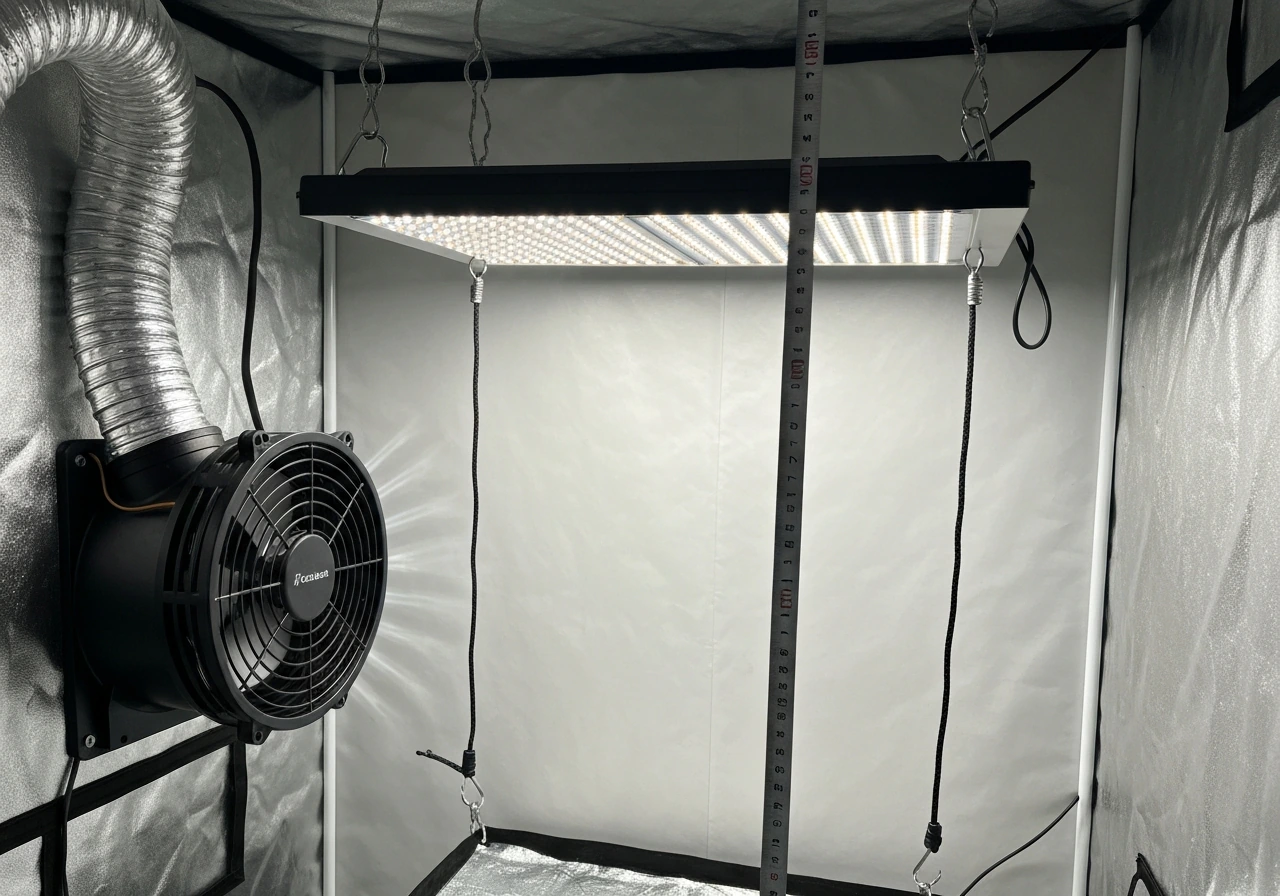
Preventing heat problems is mostly about making smart choices upfront rather than scrambling to fix things later. Here's what actually matters:
- Follow the manufacturer's recommended hanging distance. For most LED panels, this is 18 to 24 inches above the canopy during vegetative growth and 12 to 18 inches during flowering. These distances are set partly for light intensity and partly to keep radiant heat from concentrating on leaves.
- Don't cover or enclose the fixture. A grow light needs air circulation around it, especially around the heatsink. Leaving the light sitting on a shelf with no clearance above it is a recipe for overheating. Give it at least several inches of open space above and around it.
- Ventilate your grow space. A small oscillating fan, an exhaust fan in a tent, or even a passive intake and exhaust setup goes a long way. Moving air dissipates heat from the heatsink much faster than stagnant air.
- Use a dimmer if your fixture has one. Running a 600-watt LED at full power in a small tent with limited airflow is more challenging than running it at 60 to 70% in the same space. Less power input means less heat to manage, and many quality fixtures allow this.
- Use a timer. Running lights 18 hours on and 6 hours off (a common vegetative schedule) gives the fixture a rest period to cool down. Continuous 24-hour operation can push some fixtures into thermal territory they weren't designed to sustain indefinitely.
- Check the specs before you buy. A fixture's thermal design matters more than its watt number. Look for fixtures with aluminum heatsinks, quality drivers (Meanwell is a well-regarded brand), and ideally some kind of over-temperature protection built in.
What to do if your grow light is running too hot
If you've measured temperatures and something seems off, or your plants are showing heat stress symptoms, work through this in order: For COB LEDs, Nichia notes that thermal measurement should use blank" rel="noopener noreferrer">surface temperature at the COB emission area, and if a thermal sheet is used, the temperature transfer depends on the thermal interface.
- Raise the light immediately. This is the fastest fix for plant heat stress. Even moving the fixture up 6 inches can cut the intensity (and radiant heat) at leaf level meaningfully.
- Improve airflow. Add or reposition a fan so it moves air across the heatsink. In a tent, make sure intake and exhaust vents are open and not blocked.
- Dim the fixture if possible. If your light has a dimmer, drop it to 70 or 80% and see if temperatures stabilize. You may need to lower the light slightly to compensate for reduced intensity.
- Check for physical blockages. Dust buildup on heatsink fins dramatically reduces heat dissipation. Turn the light off, let it cool, and gently brush or blow out any dust.
- Look at the driver. If the driver (usually a separate box on higher-quality fixtures) is extremely hot, check that it has clearance around it and isn't sitting on an insulating surface. Some drivers are rated to run warm and that's fine; others have over-temperature shutoffs that trigger when things get too hot.
- Consider the fixture's age and condition. LED grow lights don't last forever. A fixture that ran cool for two years and is now running significantly hotter could have failing thermal interface material between the LEDs and the heatsink, or a dying fan. If the light is also producing less output than it used to, it may be time to replace it rather than troubleshoot further.
- Contact the manufacturer if temperatures are extreme. A heatsink at 75°C or above, or any fixture that's too hot to hold anywhere on the housing, deserves a call or email to support. Some fixtures have firmware or hardware issues that get addressed under warranty.
The bottom line is that grow light heat is real but manageable. You should not rely on a heat lamp to grow pot; use proper LED grow lights and ventilation instead. However, the safest, most practical way to grow plants with lamps is to use LED grow lights and manage temperature with proper airflow and mounting height.
A quality LED fixture, hung at the right distance with decent airflow, will keep your plants comfortable and run safely for years. So, if you're wondering whether do grow lights keep plants warm, the best answer is that they do help provide gentle warmth as they run, especially when paired with good airflow and proper placement. A simple regular lamp is usually not designed with the right spectrum and intensity for healthy plant growth, so it typically cannot replace a proper grow light. Most heat problems I've seen come down to two things: lights hung too close, or lights crammed into an airless space.
Fix those two things and you'll rarely have a heat issue worth worrying about.
FAQ
How can I tell if the heat from my grow light is a problem, without buying a thermometer?
Use a simple hand test plus plant checks. If the front stays only mildly warm but the back heatsink is hot, that is normal. If you cannot comfortably hold your hand on the heatsink area for a few seconds, or you see leaf tip burn and wilting very close to the fixture despite adequate watering, reassess mounting height and airflow. For confirmation, measure air temperature at canopy height, not near the bulb or far above it.
Do grow lights make the room heat rise more than the plants actually need?
Usually, LED fixtures create a smaller temperature jump than older HID systems, but the total heat still depends on how many watts you run, your tent size, and room ventilation. If you run multiple panels at once, the cumulative heat can raise canopy temperatures even when each individual light seems “cool,” so plan based on total wattage and airflow, not just fixture type.
Does a fan on an LED panel lower the temperature at the plant canopy?
Not directly. The fan typically cools the heatsink, which helps the LEDs stay within safe junction temperatures. Canopy air temperature depends more on overall room or tent airflow, ducting, and whether the hot air can escape. If canopy temps are high, you may still need an intake and exhaust strategy, even with a fan-equipped light.
Why do some LED grow lights feel hot on the back but not burn plants anyway?
Because the heat is mostly managed by the heatsink, which moves heat away from the LEDs. That means the hottest surface is often the back housing, while the light emitted toward the canopy does not carry the same type of direct infrared heating you get from HPS bulbs. Plant burn you see with LEDs is more commonly from excess light intensity or distance, not thermal contact.
Can grow lights cause “root zone” problems if the air feels warm?
Yes, but it is usually indirect. Warmer ambient air and poor ventilation can raise substrate temperatures, which can stress roots, slow nutrient uptake, and worsen oxygen levels in the root zone. If you notice stalled growth during hot periods, measure media or reservoir temperatures and address ventilation before changing light schedules.
Is it safe to touch the heatsink while the LED grow light is on?
Be cautious. The heatsink can reach temperatures that can cause a burn with bare hands. Always unplug the fixture before handling it, and keep it away from materials that can soften or degrade with heat. Wear gloves only as a stopgap if you must work on it after turning off.
How much should I raise or lower an LED grow light if I suspect heat stress?
Treat it as an iterative placement change. If symptoms suggest the light is too close, increase distance slightly first and ensure you have good airflow across the canopy. Then recheck within a day or two. Since many “heat symptoms” overlap with light intensity burn, do not drop the light while temperatures are high, and avoid guessing without at least checking ambient temperature at canopy height.
Are LED grow lights in airless enclosures more dangerous or just shorter-lived?
Both can happen. When airflow is restricted, the heatsink cannot shed heat effectively, which can push operation closer to maximum safe temperatures. That shortens lifespan and can, in poorly designed fixtures, create unsafe surface temperatures. If your setup is inside a closet, small cabinet, or sealed box, you need intentional ventilation, not passive leakage.
What temperature range should I aim for in my grow space when using LEDs?
As a practical rule, try to keep canopy-area conditions below the point where growth slows (often around the mid-80s Fahrenheit for extended periods). If you routinely exceed that during lights-on hours, plan on improving exhaust/intake, using a higher-capacity fan, or reducing total fixture wattage per area.
Do dimming or lowering power reduce both heat and the risk of plant burn?
They usually reduce both. Lowering input power decreases total energy converted to heat and also reduces light intensity, so the canopy gets both less thermal load and less PPFD. Make changes gradually, then reassess plant response, because plants also need sufficient light to maintain healthy growth.
Is there a “safe” way to use non-grow lamps or sun lamps without creating heat issues?
Yes, but you must verify two things: usable light output at the canopy and safe operating temperatures. Non-grow lamps may not have the same thermal management or certification designed for tight grow spaces. Keep distance and airflow in mind, and if the bulb or fixture surface stays very hot to the touch during operation, switch to a purpose-built fixture rather than extending the schedule.
Next Articles
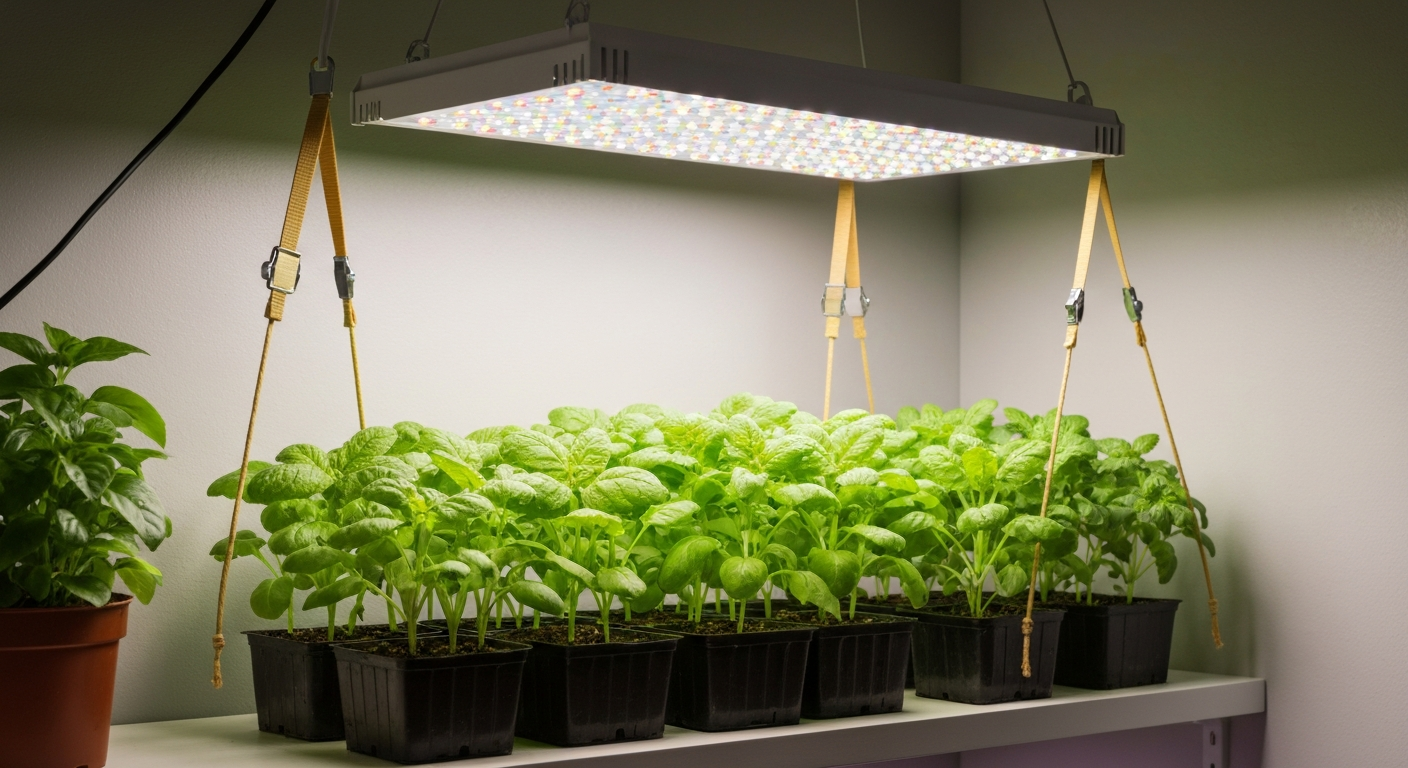
What Artificial Light Will Grow Plants: Best Lights Guide
What artificial light will grow plants: practical guide to LED, CFL, HID spectra, PPFD targets, setup, cost & tips.
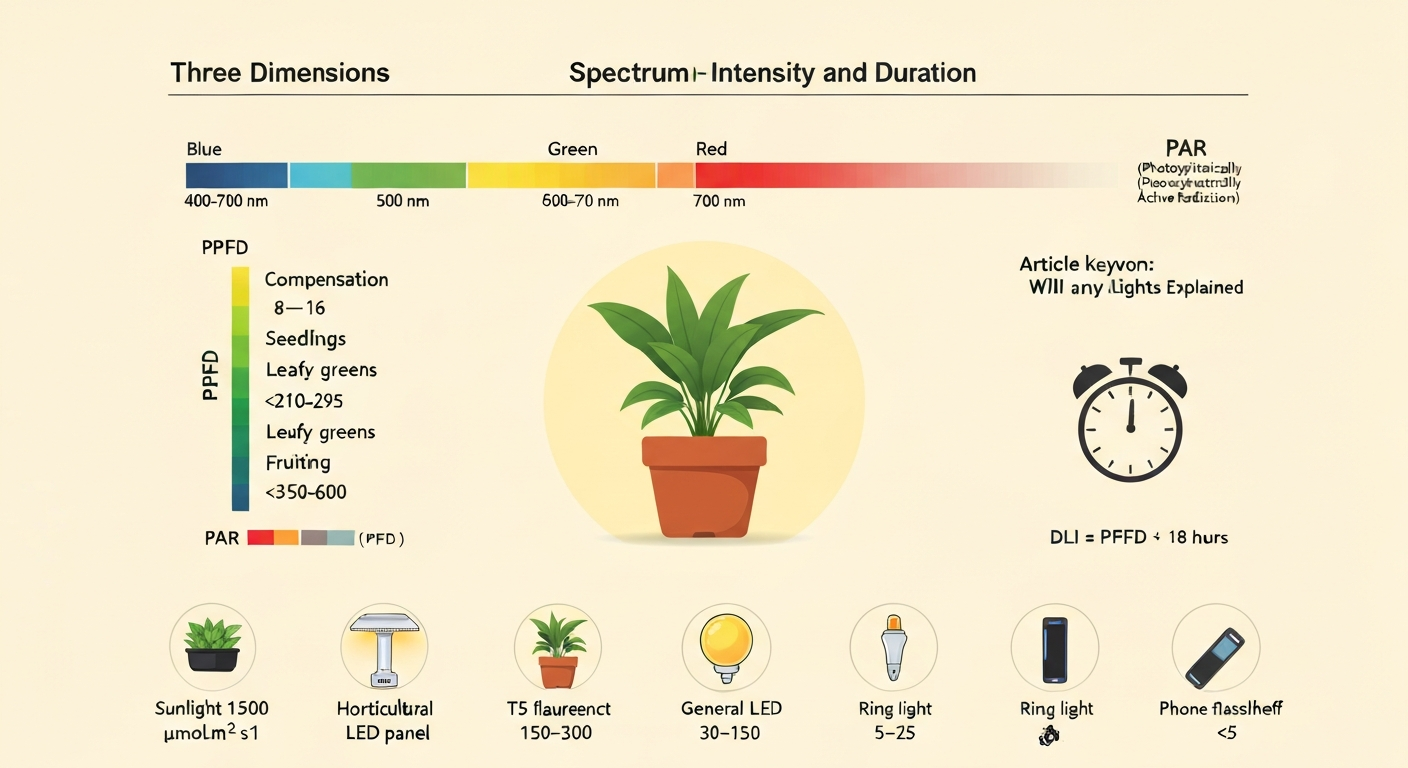
Will Any Light Grow Plants? Guide for Indoor Growers
Can any light grow plants? Clear yes/no, science-backed light specs, setup tips, and which household lights work.
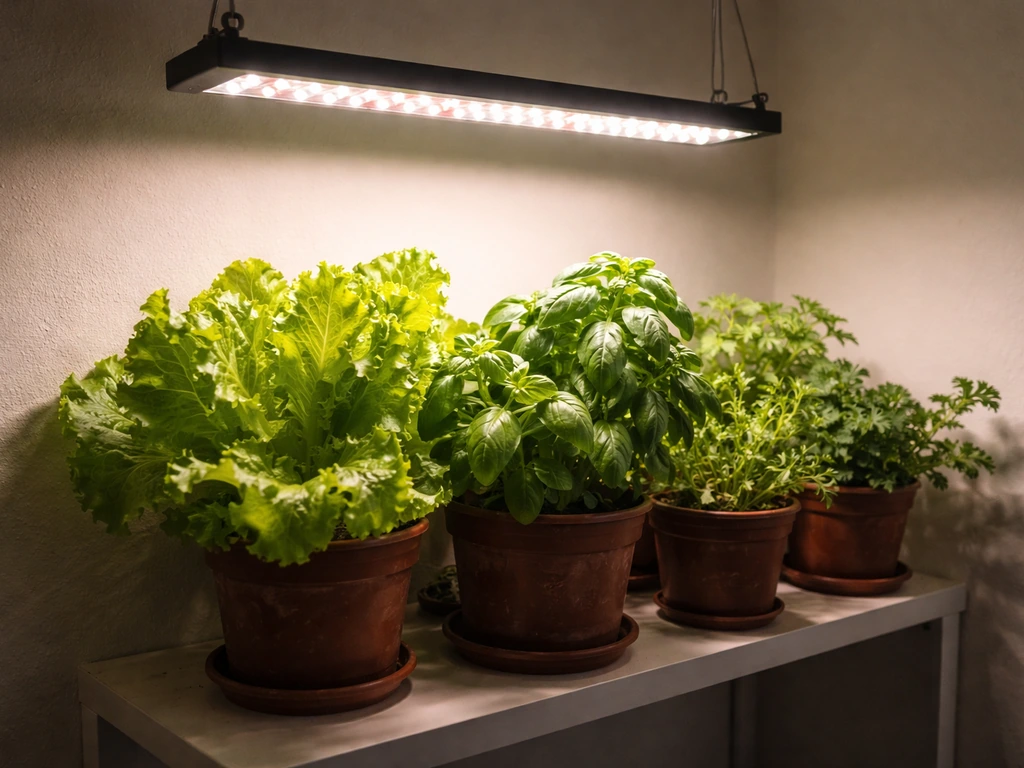
What Type of Light Do Plants Need to Grow Indoors
Pick the right grow light indoors by spectrum, brightness, and placement so plants grow well, bloom, and stay healthy.