For most indoor plants, 12 to 16 hours of grow light per day is the right starting point. Seedlings and leafy greens tend to want the higher end of that range (14 to 16 hours), while established houseplants and low-light species do fine at 12 to 14 hours. Flowering and fruiting plants are more particular: some need a long uninterrupted dark period to actually bloom, so running your light too long can backfire. The bottom line is that 14 hours a day works as a safe default for most home gardeners who are just getting started. For a practical answer, use a consistent daily schedule and start with about 14 hours of light per day for most seedling setups when to turn on grow lights for seedlings (14 hours).
How Long Should Plants Be Under a Grow Light?
Marcus Holloway
29 May 2026
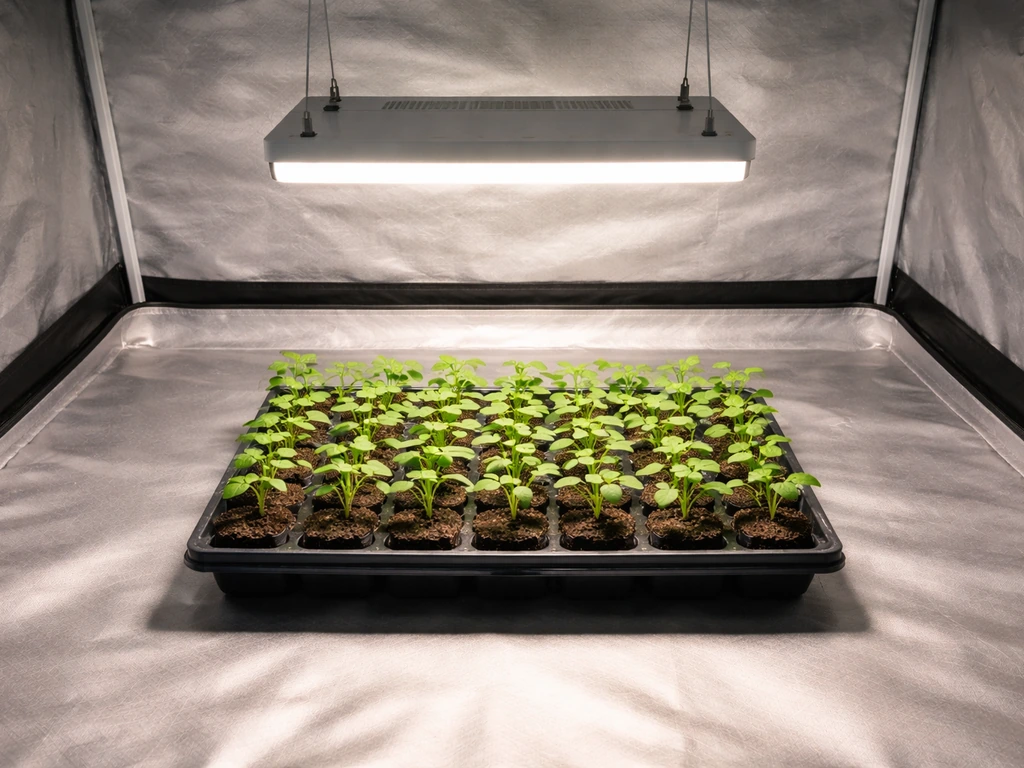
The right schedule depends on what you're growing and when
Plant type and growth stage matter more than most beginners expect. A tomato seedling under grow lights has very different needs than a peace lily you're keeping alive through winter, and both are different from a pepper plant you're trying to get to fruit. Here's how to think about it by category.
Seedlings and seed starting
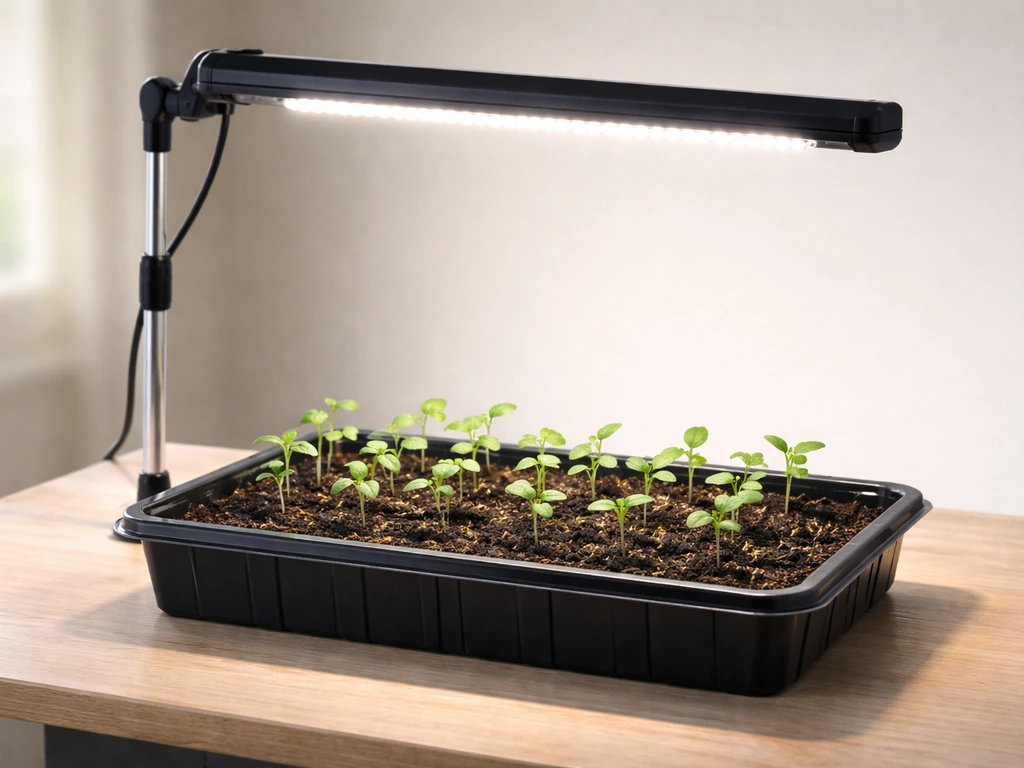
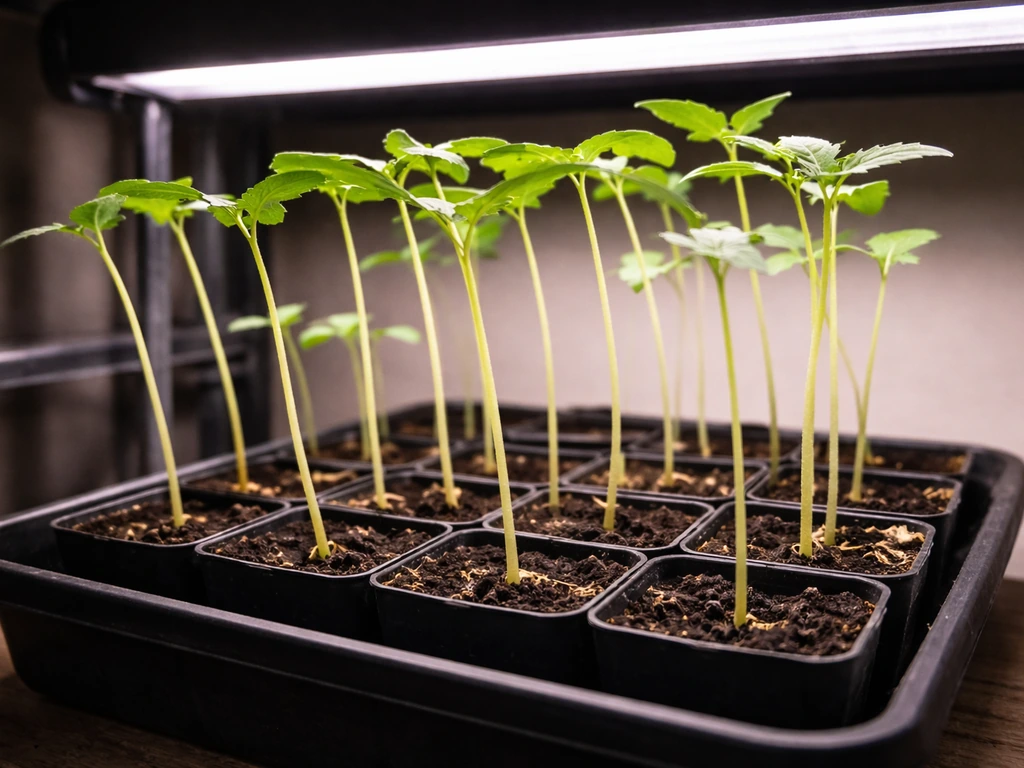
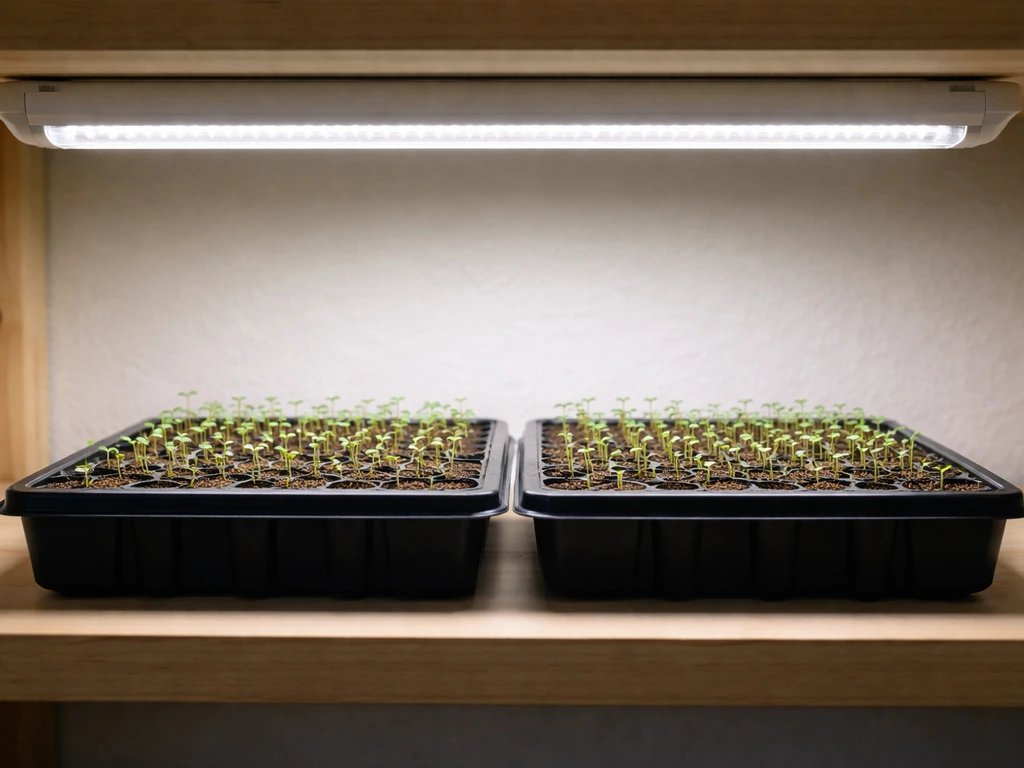
Seedlings are probably the most common reason people bring out a grow light at home, and they're pretty forgiving as long as you give them enough hours. University of Minnesota Extension recommends 12 to 16 hours of light daily for seeds and seedlings, and that range holds up in practice. I usually set my seedling trays to 15 hours and call it done. The bigger risk for seedlings isn't too much light, it's too little. Once seedlings are stocky and ready to transplant, you can start reducing or switching off the grow lights based on their growth stage and the outdoor or indoor light they’ll get next when to stop using grow lights for seedlings. If you're keeping the light on for only 8 or 10 hours, your seedlings will stretch toward the light and become leggy before they ever get transplanted. If you see leggy growth, it usually means the light schedule is too short for your seedlings and you should add hours (or lower the light) to bring their growth back under control. Because seedlings and seed starting are often the fastest to show issues, check that your seeds are getting the right number of hours under a grow light how long should seeds be under a grow light. Leggy seedlings are weaker and harder to establish, so don't shortchange the hours at this stage.
Vegetative growth (herbs, leafy greens, established houseplants)
Plants that you're growing for their leaves rather than flowers or fruit are the easiest to schedule. Basil, lettuce, spinach, and most tropical houseplants all do well on 14 to 16 hours of light when growing indoors under artificial light. These are what horticulturalists call "day-neutral" or long-day plants: more light generally means faster, fuller growth. There's less risk of triggering an unwanted flowering response. If you're just trying to keep a houseplant healthy through a dark winter, even 12 to 14 hours can be enough to maintain it without pushing hard growth.
Flowering and fruiting plants
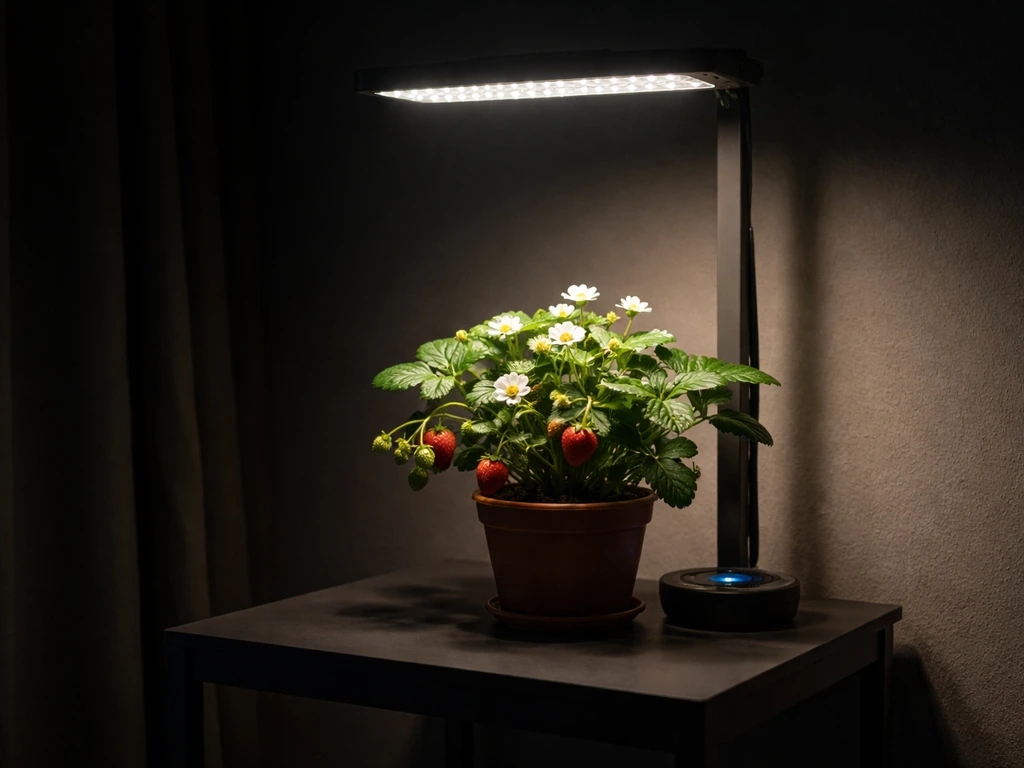
This is where photoperiod gets more critical and you actually have to pay attention. Some plants, like chrysanthemums, poinsettias, strawberries, and cannabis, are "short-day" plants. They only flower when nights are consistently longer than about 12 hours. Purdue Extension’s HO-253-W further notes that short-day plants require a night at least 12 hours long to respond to photoperiod blank" rel="noopener noreferrer">short-day plants only flower when nights are consistently longer than about 12 hours. Oregon State University Extension describes this directly: short-day plants need days shorter than roughly 12 hours to trigger blooming. What's actually more important, per UMass Amherst extension research, is blank" rel="noopener noreferrer">the dark period: the plant needs an uninterrupted night of at least 12 hours. If your grow light flips on at 3 a.m. by accident or you forget to turn it off, you can delay or prevent flowering entirely. For these plants, aim for 10 to 12 hours of light and protect that 12-plus hour dark period. Long-day plants (like many spring vegetables and some flowers) are the opposite: they need more than 12 to 14 hours of light to flower. For those, keeping your light on for 14 to 18 hours encourages blooming.
| Plant Type / Stage | Recommended Daily Light Hours | Key Rule |
|---|---|---|
| Seeds and seedlings | 14 to 16 hours | More light prevents legginess; keep light within 2 to 4 inches |
| Herbs and leafy greens | 14 to 16 hours | Day-neutral; more hours = more growth |
| Houseplants (maintenance) | 12 to 14 hours | Just enough to sustain; not trying to push growth |
| Long-day flowering plants | 14 to 18 hours | Need long days to trigger blooming |
| Short-day flowering/fruiting plants | 10 to 12 hours | Need 12+ hours of unbroken dark to flower |
Light intensity and distance change everything
Here's something a lot of people miss: the number of hours you run a grow light only tells half the story. How bright the light is at the plant's surface matters just as much. Think of it this way: a dim light for 16 hours can deliver less total energy than a bright light for 10 hours. Horticulturalists call the total daily light energy a plant receives its Daily Light Integral (DLI), and it's the product of both intensity and duration.
Distance is the main variable you control at home. The further your light is from the plant, the weaker the light intensity (and it drops off fast, following an inverse square relationship). A budget T8 shop light, for example, needs to hang less than a foot from your seedling trays to deliver enough intensity for sun-loving plants. University of New Hampshire Extension specifically recommends keeping shop-light fixtures under a foot away from seedlings, and even notes you'd need to run them up to 22 hours a day to hit the ideal DLI for sun-loving seedlings with that type of fixture. A higher-output LED at the right distance can do the same job in fewer hours. So if you have a weaker light, compensate by running it longer and keeping it closer. If you have a strong horticultural LED at close range, you may need fewer hours and should watch for light stress.
- Weak or budget fixtures (T8 shop lights, basic clip-on LEDs): hang within 6 to 12 inches, run 14 to 16 hours
- Mid-range horticultural LEDs: follow manufacturer height recommendations, run 14 to 16 hours for seedlings and greens
- High-output LEDs or HID lights: raise them higher (18 to 36 inches depending on wattage), run 12 to 16 hours and watch for bleaching or tip burn
- Check the light on the plant surface, not just what's written on the box
Set a timer and stick to a consistent photoperiod
Plants respond to consistent light cycles, not just total hours. Running your light 14 hours one day and 8 hours the next because you forgot to turn it on is harder on plants than a steady shorter schedule would be. Irregular photoperiods can confuse flowering triggers, stress plants unnecessarily, and make it hard for you to diagnose problems (because you're never sure what the plant actually received). A simple plug-in mechanical timer costs a few dollars and solves this entirely. I've used the same basic outlet timer for years and it's one of the best small investments in my grow setup.
When setting your timer, decide what time you want the light on and off and stay consistent. A common approach is to have lights on during the daytime hours you're awake (say, 6 a.m. to 8 p.m. for a 14-hour cycle) so you can observe your plants during their lit period. Michigan State University Extension describes this as day-extension lighting: starting the light around sunset and running it until you hit your target photoperiod. For home growers, the simplest method is just to pick a start time, count out your target hours, and set the timer off accordingly. The key rule for short-day flowering plants: the dark period must be truly dark. Even a brief light interruption at night can reset the plant's internal clock.
How to tell if your plants need more or less light
Your plants will tell you if the schedule is off. You just need to know what to look for. These signals are usually gradual, not dramatic, so check your plants every few days when you're dialing in a new setup.
Signs your plants need more light (or longer hours)
- Leggy, stretched stems with large gaps between leaf nodes
- Pale green or yellowish leaves that should be dark green
- Slow growth that doesn't match what you'd expect for the plant
- Seedlings leaning hard toward the light source
- Thin, weak stems that can't support themselves
Signs your plants are getting too much light (or the light is too close)
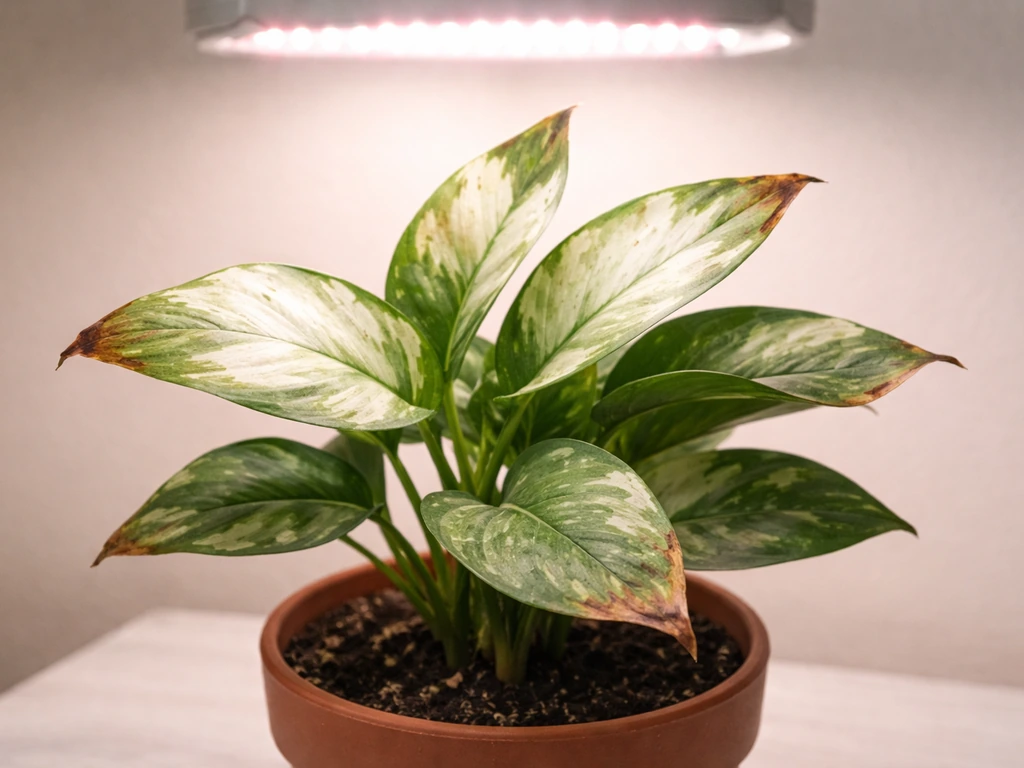
- Bleached, washed-out, or white patches on upper leaves
- Leaf tips or edges that are brown and crispy (tip burn)
- Leaves curling upward or cupping, especially under intense LEDs
- Wilting during the lit period even when soil moisture is fine
- Stunted growth despite plenty of hours on the timer
When you see under-light symptoms, the fix is usually to add 1 to 2 hours to your daily schedule, lower the light closer to the plants (if your fixture allows), or upgrade to a brighter fixture. When you see over-light symptoms, raise the fixture, reduce hours by 2, or both. Make one change at a time and give the plant 5 to 7 days to respond before making another adjustment.
Common mistakes and how to fix them
Not rotating plants
Most home grow lights aren't perfectly uniform. Plants at the edges of a tray or shelf receive less light than those directly underneath the fixture. Rotating your pots or trays a quarter turn every few days evens out the exposure and prevents uneven growth. If you notice one side of a plant is much leggier than the other, rotation is usually the fix.
Setting the light too high and compensating with more hours
People often hang grow lights too high because they're worried about burning plants, then try to make up for the low intensity by running the light longer. That doesn't fully work. Intensity and duration both contribute to your plant's total light dose, but intensity also affects how the plant processes that light. If your light is too far away, the better fix is to lower it, not just add hours. Check the manufacturer's recommended hanging height as a starting point, then observe your plants and adjust.
Inconsistent schedules
Manually turning lights on and off leads to missed cycles and irregular photoperiods. For short-day flowering plants especially, even a single night with light exposure can delay blooming by weeks. Use a timer, even a cheap one. This isn't optional if you want predictable results.
Transitioning plants too abruptly
If you're moving a plant from a low-light environment to a strong grow light (or from indoors to outdoor sun), do it gradually. Start with shorter daily exposure (4 to 6 hours the first few days) and build up to your target photoperiod over 1 to 2 weeks. Jumping from dim ambient light to 16 hours under a powerful LED can shock plants and cause the same bleaching and tip-burn symptoms as overexposure. The same principle applies when transitioning seedlings off grow lights to natural outdoor conditions.
Running the light 24 hours a day
It seems logical that more light means faster growth, but most plants need some darkness to complete basic metabolic processes. Running a grow light around the clock (except for some specific cases like very young seedlings or certain lettuce varieties in commercial settings) can actually slow growth, stress the plant, and in the case of flowering plants, prevent blooming entirely. Stick to a schedule with at least 6 to 8 hours of darkness per day for most plants.
What to realistically expect and when to re-evaluate
Once you've set a consistent schedule, give your setup a real evaluation window before changing things. Plants don't respond to light adjustments overnight. Here's a rough timeline for what to expect:
- Days 1 to 3: No visible change yet. This is normal. The plant is adjusting internally.
- Days 4 to 7: You should start to see new growth direction and leaf color stabilizing. Leggy seedlings will start growing more compact if the fix worked.
- Week 2: Growth rate and stem thickness become a reliable indicator. Healthy seedlings under proper light show noticeably stronger stems by this point.
- Week 3 to 4: For flowering plants you've shifted to a short-day schedule, you should start seeing bud formation or early flower signs if the photoperiod change took effect.
- Week 4 and beyond: If you're not seeing the growth you expected, re-evaluate light height, timer consistency, and whether the light output is actually strong enough for the plants you're growing.
One thing worth knowing: the first few weeks under a new schedule often look slower than expected. Plants put energy into root development and cellular changes before you see dramatic top growth. Don't panic and start adjusting everything at once. Pick your starting schedule (14 hours is a safe bet for most home gardeners), set a reliable timer, keep the light at the right height, and give it two weeks before making a call.
If you're working with seedlings specifically, keep in mind that the goal of the grow-light phase is to produce a sturdy transplant with a thick stem and compact internodes. Once you've achieved that and outdoor conditions allow, it's time to harden them off and move on. A practical next step is knowing when to remove seedlings from grow lights so they transition at the right time. The grow light did its job. For year-round indoor growing of herbs or houseplants, your timer schedule becomes a long-term habit rather than a temporary fix, and the principles stay the same: consistent hours, right distance, watch the plant, and adjust when it tells you something is off.
FAQ
Is it better to leave a grow light on for fewer hours at a higher intensity, or more hours at a lower intensity?
Either can work, but aim for the plant’s total light dose, not just clock time. If your light is weak at the leaf surface, you typically need longer exposure. If it’s strong, you usually need fewer hours and the correct hanging height. Watch for symptoms, then adjust by one variable at a time (distance first for light stress).
How much darkness does a plant need each day when using grow lights?
Most plants still need a solid dark block, commonly at least 6 to 8 hours of uninterrupted darkness. Flowering plants are stricter, where the dark period must be truly dark, because even brief light exposure during the night can disrupt flowering triggers.
What should I do if my timer is accidentally turning the light on at night?
For short-day flowering plants, treat night interruptions as a major issue. If the light comes on unexpectedly (for example, due to wrong timer settings), delay or restart the schedule so you can restore a consistently long, uninterrupted dark period. For vegetative houseplants, a one-off mistake is usually less dramatic, but regular irregular cycles can still cause inconsistent growth.
Can I use the same grow-light schedule for all plants on the same shelf?
Usually not. Different plants have different photoperiod needs (short-day, long-day, and day-neutral) and different growth-stage needs (seedlings versus established plants). If you must share one setup, choose a schedule that matches your most light-demanding vegetative plants, and separate flowering plants that require precise night length.
Why are my seedlings leggy even though I’m using 14 hours of light?
Leggy growth often means the light reaching the seedlings is too low, not just that the total hours are low. Common causes are the fixture being too far away, weak output, or uneven coverage. First lower the light to the recommended height (if your fixture allows), then consider adding 1 to 2 hours only if needed.
How quickly will plants show that I need to change their grow-light hours?
Don’t expect overnight changes. A practical adjustment window is about 5 to 7 days after you make one change, and many growers give setups closer to 2 weeks when switching schedules. This helps you avoid “chasing” symptoms by changing the schedule repeatedly.
What light schedule should I use if I’m just trying to keep indoor plants alive through winter?
If your goal is maintenance rather than rapid growth, many plants do fine with a shorter photoperiod, often around 12 to 14 hours daily. The key is to match the plant type and avoid pushing flowering plants into the wrong photoperiod.
How do I transition a plant off grow lights to outdoor sunlight safely?
Increase exposure gradually over 1 to 2 weeks. Start with shorter daily light periods than your current grow-light schedule, then build up toward full sun exposure. This reduces shock-related problems like bleaching, leaf edge burn, and tip damage that can happen when jumping from indoor light to strong outdoor sun.
Do I need to rotate plants under a single grow light?
Rotation helps because many fixtures are not perfectly uniform, with edges receiving less light than the center. Rotating a tray or turning pots a quarter turn every few days can prevent one-sided legginess and uneven development.
What’s the safest “default” grow-light timing when I’m not sure about the plant’s needs?
For most home gardeners starting out with general indoor plant growth (especially seedlings), about 14 hours per day is a reasonable default. Once you identify the plant type, adjust within the typical ranges based on whether it’s optimizing for leaves, vegetative growth, or flowering.
Should I run grow lights 24/7 for fastest growth?
For most plants, no. Even though more light often speeds growth, plants still require darkness for normal metabolic processes. Keeping lights on continuously can stress the plant, slow growth, and for flowering types, prevent blooming by disrupting proper dark periods.
What’s the best way to set a grow-light schedule with a timer?
Pick a consistent start time and stick to it, so the photoperiod is the same every day. Many growers set lights on during waking hours for easier monitoring, then count out the exact number of hours. For short-day flowering plants, make sure the night truly stays dark for the required minimum dark period.
Next Articles
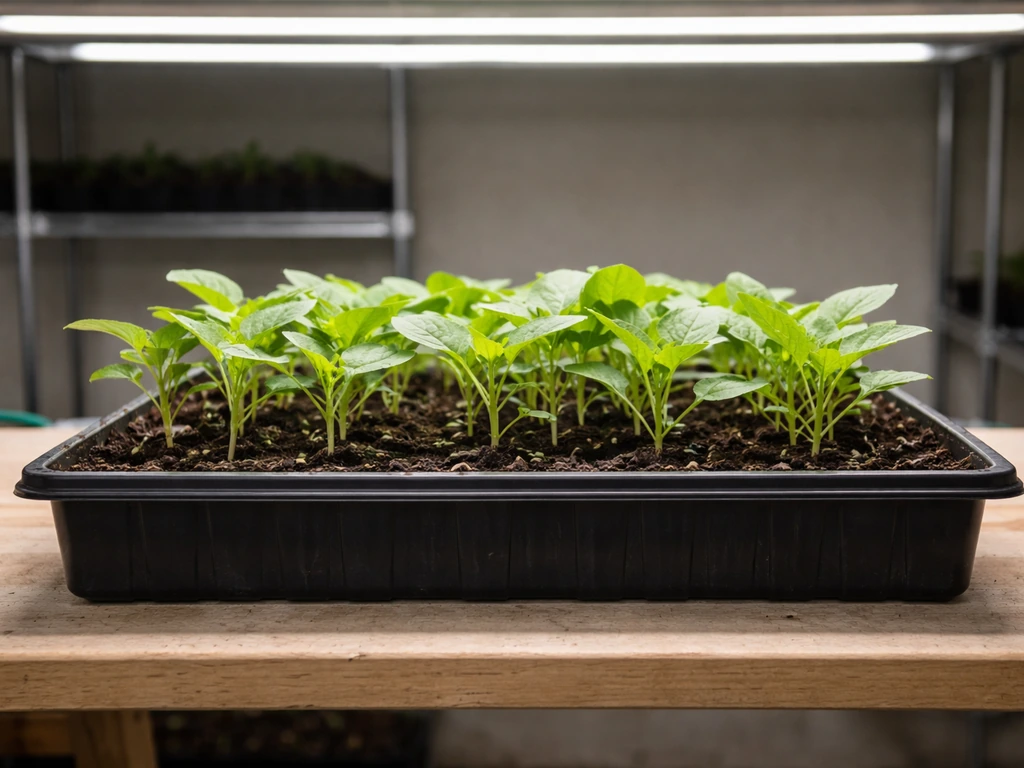
When to Remove Seedlings From Grow Lights: Timing Guide
Move seedlings off grow lights when they have true leaves and sturdy stems, then harden off to avoid legginess.
How Long Should Grow Lights Be On for Seedlings?
Get the right grow light schedule for seedlings, including germination timing, hours to run, and signs to adjust duratio
Why Do Plants Grow Best in Blue Light? Science & Practical Guide
Explore why blue light boosts vegetative growth, ideal blue:red ratios, PPFD, photoperiods, fixtures, and setup tips.