Use a grow light when your indoor plants are not getting at least a few hours of decent natural light each day. That means north-facing rooms, windowless spaces, winter months when daylight is short and weak, or any situation where your plants are stretching toward the light, growing slowly, or looking pale and sad. If your home gets good natural light year-round and your plants are thriving, you probably do not need one. If you are wondering when to use grow lights indoors, the quickest rule is to start when natural light is too weak or too inconsistent for your plants. But for most people in most homes, a grow light is the single most effective tool for keeping indoor plants actually healthy, not just surviving.
When to Use Grow Light: Signs, Timing, and Setup Tips
Marcus Holloway
24 May 2026
When natural light is not enough
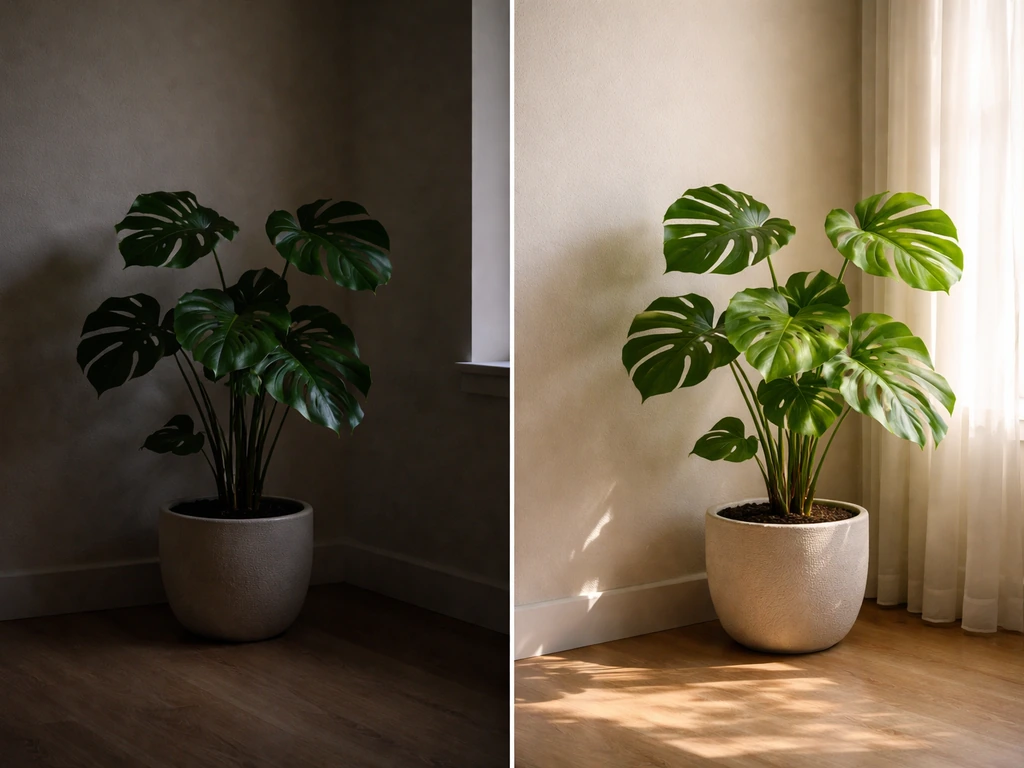
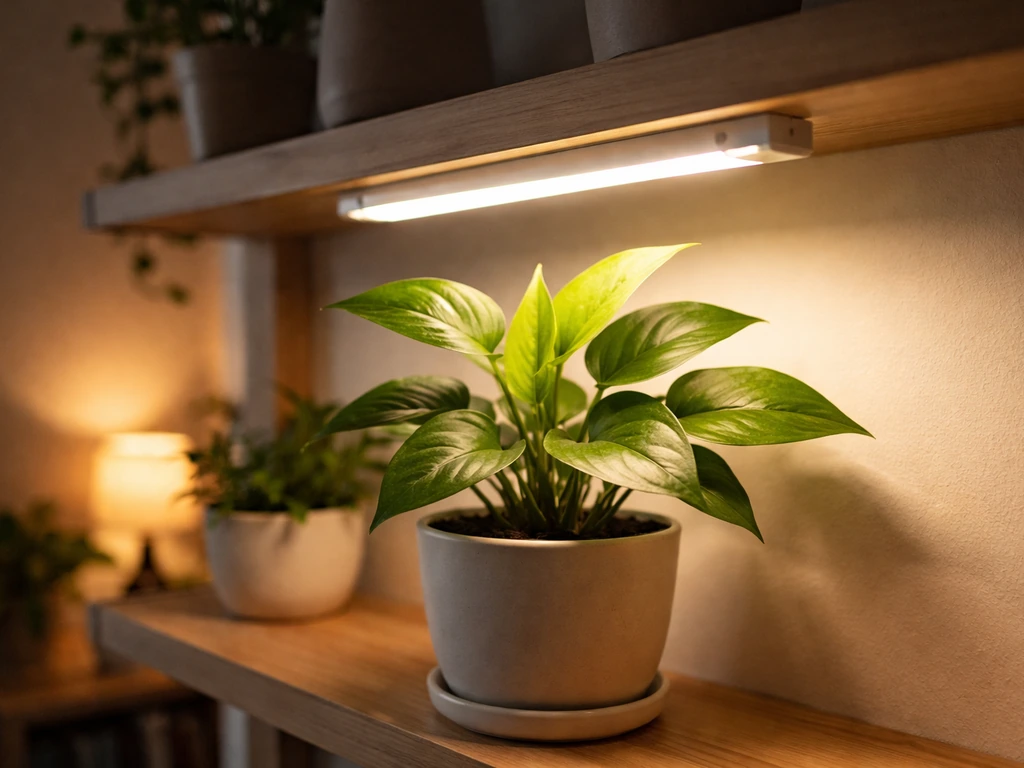
Most homes are darker than people realize. What feels like a bright room to human eyes is often dim by plant standards. University of Illinois Extension measures indoor light in foot-candles (fc), and the numbers are humbling: a spot a few feet back from a south-facing window might measure 200–400 fc, while a north-facing room or an interior corner can drop below 50 fc. That low end is survivable for a pothos or a snake plant, but it is not enough for most flowering plants, herbs, vegetables, or seedlings.
According to University of Maryland Extension, medium-bright light for houseplants falls in the 100–500 fc range near windows with no direct sun. Go below 100 fc and you are in true low-light territory, where even shade-tolerant plants grow sluggishly. The situations where natural light reliably falls short include: north-facing windows, rooms with small or obstructed windows, basements, apartments in dense urban buildings, and essentially any location in the northern U.S. or Canada from October through February. If your home checks any of those boxes, a grow light is not optional, it is the practical solution.
Signs your plants need a grow light
Plants are not quiet about needing more light. Once you know what to look for, the signals are pretty obvious. The most common one is etiolation, which is just the fancy word for plants stretching and getting leggy as they reach toward light. A basil plant with long, weak stems and small leaves is telling you it is light-starved. So is a succulent that has gone from compact and plump to tall and floppy.
- Leggy, stretched stems with long gaps between leaves (especially on herbs, succulents, or seedlings)
- Leaves turning pale green or yellow when the plant has been well-watered and fed
- Very slow or stalled growth during what should be an active growing season
- Flowering plants that refuse to bloom or drop buds before they open
- Seedlings that fall over or grow in a slant toward the nearest window
- Variegated plants losing their color pattern and reverting to solid green (the plant prioritizing chlorophyll over color to capture more light)
If you are seeing any of these, adding a grow light is almost always the right move. It is worth noting that overwatering can cause similar yellowing, so rule that out first. But if your watering is consistent and growth is still poor, light is usually the culprit.
Why use a grow light (what it actually improves)
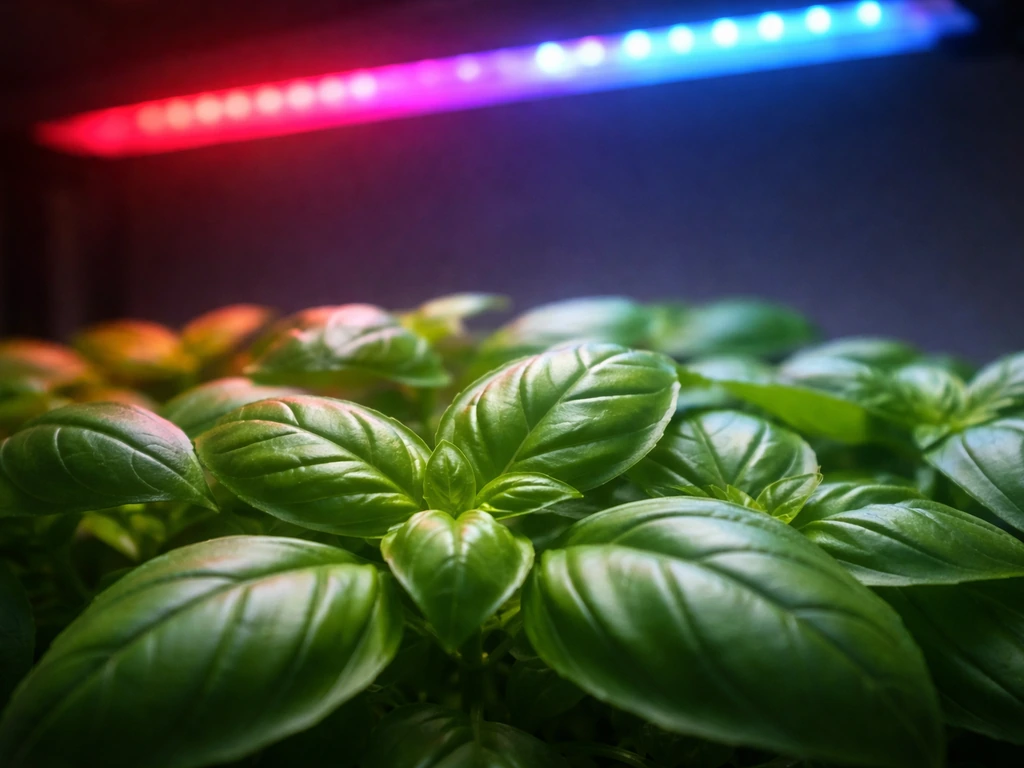
A grow light supplements or replaces sunlight by delivering the specific wavelengths of light that plants use for photosynthesis, primarily red and blue spectrum light. When a plant gets enough of these wavelengths at sufficient intensity, it can produce energy efficiently, build strong tissue, and follow its natural growth cycle. When it does not, it goes into a kind of conservation mode, growing slowly, dropping leaves, and becoming vulnerable to pests and disease.
University of Maine Extension uses a measurement called PPFD (micromoles of photosynthetically active light per square meter per second) to describe what plants actually need at different growth stages. Seedlings and clones need under 100 PPFD. Vegetative growth targets 100–500 PPFD. Fruiting and flowering plants need 400–1,200 PPFD. A good LED grow light can hit all of these ranges, giving you precise control that a windowsill simply cannot. In practice, grow lights improve germination rates, stem strength, leaf density, flavor in herbs, yield in fruiting plants, and the ability to grow plants year-round regardless of season or window orientation.
One light or multiple lights: how to decide
One grow light is fine for a small setup: a single shelf, a starter tray of seedlings, or a cluster of houseplants in one corner. A single panel-style LED covering a 2x2 foot footprint handles most home gardening situations. The question of multiple lights comes down to coverage area and plant variety. If you are running a larger shelf system, growing plants with very different light needs at the same time, or setting up a full indoor herb and vegetable garden, you will need more than one fixture to ensure even coverage.
Multiple lights also make sense when you are growing vertically on a shelving unit. Each shelf needs its own light source because one overhead fixture cannot reach plants on lower levels with adequate intensity. A good rule of thumb: plan one light per shelf and size each light to match the shelf dimensions. For a simple collection of houseplants near a dim window, a single supplemental LED bar or bulb positioned above the group is usually all you need.
How long to run grow lights each day
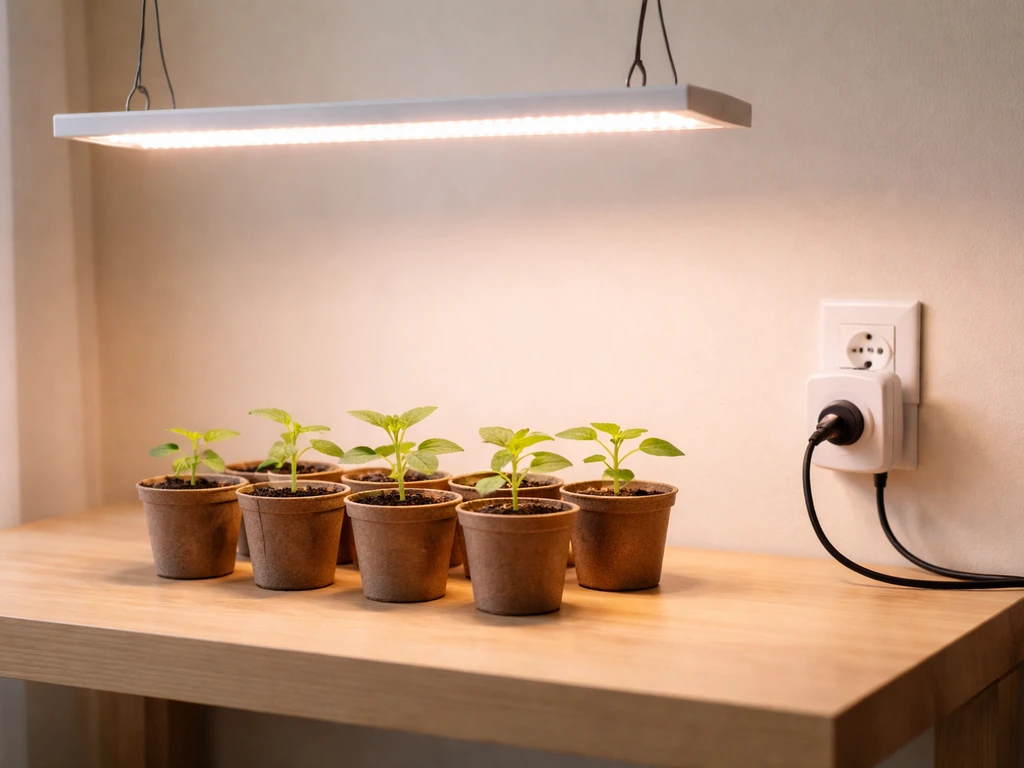
The daily light schedule depends on what you are growing. Plants fall into three categories based on how they respond to day length: short-day plants (like poinsettias and chrysanthemums that need long dark periods to bloom), long-day plants (like lettuce and spinach that thrive on 14–18 hours of light), and day-neutral plants (like tomatoes and most herbs that are flexible). For most common houseplants and herbs, a 12–16 hour light cycle works well, and matching the grow light schedule to roughly imitate natural outdoor seasons gives the best results.
| Plant Type | Recommended Daily Light Duration | Notes |
|---|---|---|
| Seedlings and clones | 16–18 hours | High duration compensates for lower initial intensity needs |
| Leafy herbs (basil, mint, parsley) | 14–16 hours | Encourages bushy, productive growth |
| Tropical houseplants (pothos, philodendron) | 12–14 hours | Supplement natural light rather than replace it |
| Succulents and cacti | 12–14 hours | Need a dark rest period; do not run lights 24 hours |
| Fruiting vegetables (tomatoes, peppers) | 14–18 hours | Needs higher PPFD too, not just duration |
| Flowering plants | 12 hours (short-day) or 16+ hours (long-day) | Depends on specific species requirements |
A simple timer is the best investment you can make alongside any grow light. Plug your light into an outlet timer, set it to run during the day (ideally morning through evening to align with natural rhythms), and you never have to think about it again. Do not run grow lights 24 hours a day. Plants need a dark period for respiration and rest, and skipping darkness causes stress even in plants that love high light.
Winter is a season worth calling out specifically. When you turn on grow lights for indoor plants in winter, you are compensating for shorter days and weaker sun angles, which makes a real difference in preventing winter decline. Related to this, knowing when to turn on grow lights at the start of the season (usually when natural daylength drops below 10–12 hours) is just as important as the duration you run them.
Placement and distance: getting the intensity right
Distance from the light source to the plant canopy is the most commonly misunderstood part of using a grow light. Light intensity drops dramatically with distance, following what physicists call the inverse square law. Double the distance and you get roughly a quarter of the light intensity. This matters a lot in practice.
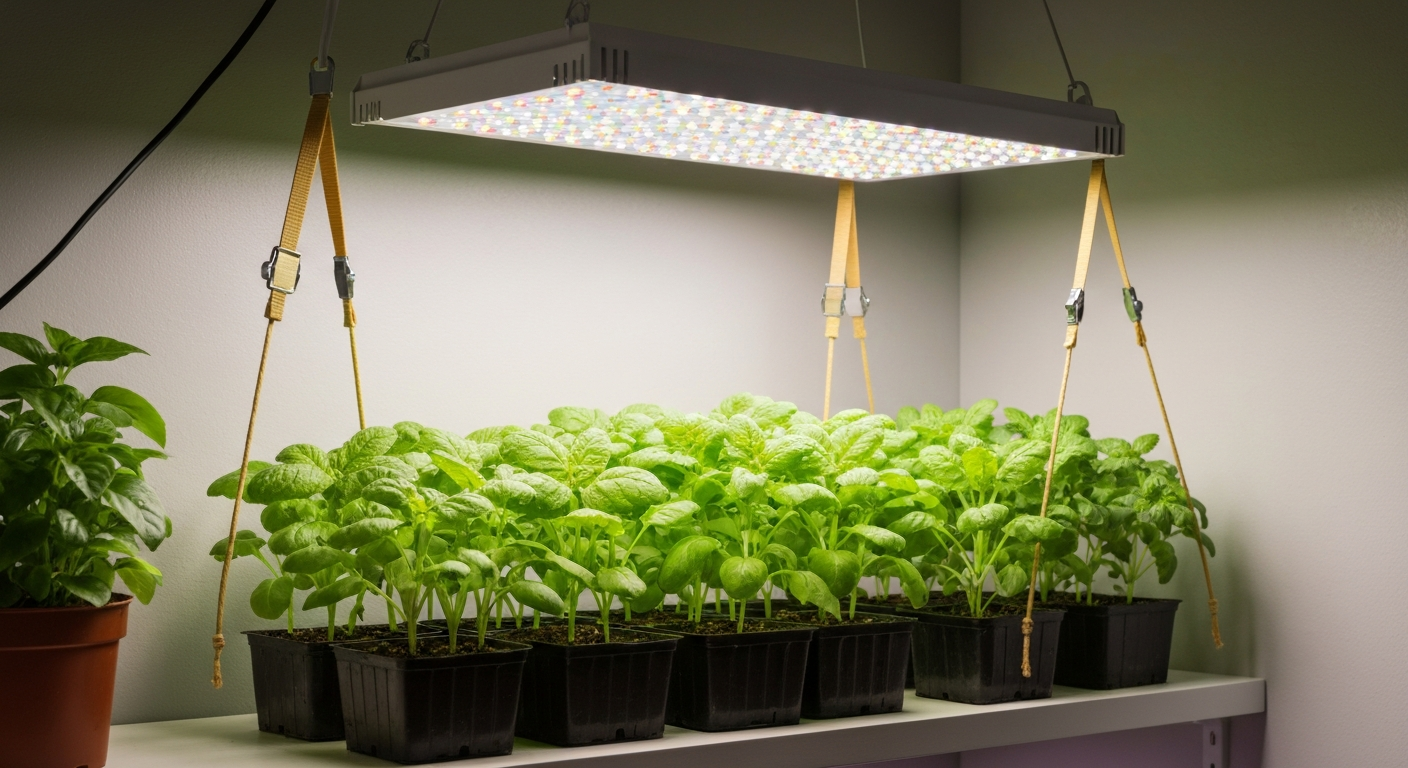
For LED grow lights, the general starting guidelines by plant type are: seedlings do well with the light 4–6 inches above the canopy, herbs and leafy greens 6–12 inches, and most foliage houseplants 12–24 inches. High-light fruiting plants like tomatoes may need the light as close as 6–12 inches depending on the fixture's output. Always check your specific light's manufacturer guidelines as a starting point, then adjust based on how the plant responds. Signs you are too close include bleached or crispy leaf tips. Signs you are too far away include the same leggy stretching you were trying to fix.
Positioning matters too. Center the light over the plant canopy rather than angling it from the side, which causes uneven growth. If you are supplementing a window with a grow light (rather than replacing daylight entirely), placing the light on the opposite side of the plants from the window helps them grow more evenly instead of leaning toward one source.
As plants grow taller, remember to raise the light to maintain the right distance. This is something easy to forget and worth checking weekly during fast-growth periods. A related topic worth knowing about: when to raise grow lights is a common question once you have your setup running, and the answer is simply to raise the fixture whenever the canopy gets within about 2 inches of the minimum recommended distance.
Safety and realistic results: clearing up the common worries
Grow lights will not give you a tan, and they will not cause cancer. The light-emitting diodes in modern LED grow lights produce red and blue spectrum light optimized for photosynthesis, not the UV-A and UV-B radiation responsible for tanning or skin damage. Some specialized horticultural lights do emit very small amounts of UV, but standard grow lights sold for home use are safe to be around during normal gardening tasks. You would need prolonged, direct staring into a bright LED to risk eye discomfort, so do not do that, but casual exposure while tending your plants is not a concern.
What should you realistically expect? A grow light will not turn a shady apartment into a tropical greenhouse overnight. Plants that have been stressed from low light for months will take weeks to recover even under ideal artificial lighting. You will see new growth before old damaged leaves recover, so do not judge the results by the leaves that were already there when you started. Most people notice a real difference in growth rate and plant vigor within 3–4 weeks of consistent use.
Heat is rarely a problem with modern LED grow lights, which run much cooler than older fluorescent or HID fixtures. Still, check the canopy temperature if you are running lights very close to seedlings. If the top of the soil or the leaf tips feel warm to the touch, raise the light. Electricity use is a real cost: a quality LED grow light panel might draw 45–100 watts, which is modest but not zero. Running a 60-watt light for 16 hours a day adds roughly 1 kWh per day to your electric bill, or about $3–5 per month depending on your local rates. For most home gardeners, that is a reasonable cost for year-round healthy plants.
Your simple starting plan
If you are ready to add a grow light today, here is a practical starting point that works for most home setups.
- Assess your natural light: stand at your plant's location at midday and honestly judge whether the light is bright enough to read comfortably without a lamp. If it is not, you need supplemental light.
- Match the light to your plants: seedlings and herbs need higher intensity (target 200–500 PPFD at the canopy), houseplants generally do fine with lower intensity supplemental light.
- Set your distance: start with the light 12 inches above most houseplants and 6 inches above seedlings, then adjust based on plant response over the next two weeks.
- Use a timer: set the light to run 14–16 hours per day for seedlings and herbs, 12–14 hours for houseplants, and turn it off overnight.
- Check in weekly: look for signs of too much light (bleaching, crispy tips) or too little (stretching), and adjust distance accordingly.
- Raise the light as plants grow: keep the canopy-to-light distance consistent as plants get taller.
That is genuinely all it takes to get started. Grow lights are not complicated once you understand what they are solving: a simple lack of sufficient light. Get the intensity roughly right, run them on a consistent schedule, and your plants will tell you if they need more or less. Most of the adjustment happens in the first two weeks, and after that it basically runs itself.
FAQ
Can I use a grow light even if my plants aren’t failing yet?
Yes, but only to a point. If the room is dim most days, a grow light can help immediately, but plants that have been stretching for months may need several weeks to rebuild strong stems and leaf density. Judge progress by new growth starting from the crown, not by older leaves that were produced under low light.
How do I know the right daily schedule for my grow light?
Avoid starting with a schedule you cannot maintain. If you run the light too little, the plant will keep stretching or staying pale, and if you run it too long, you increase stress because plants still need an uninterrupted dark period. Most common houseplants do best with a timer set for roughly 12–16 hours, then adjust after observing new growth.
Should I rotate my plants under a grow light?
Yes, but it depends on how the light is positioned. A light that is mounted high and angled down from one side can create uneven intensity, so rotate the plant weekly if it’s not centered or if you are using a single overhead fixture for a group. For shelving, keep one light per shelf rather than relying on one top light to “reach” everything.
What’s the safest way to adjust brightness if I’m not using a PPFD meter?
Start conservatively if you are unsure, then fine-tune distance. If you move the light closer too fast you can bleach or crisp leaf tips, which is a sign of excess intensity. If your plant shows ongoing legginess after a week or two, raise the intensity by lowering the fixture or increasing photoperiod slightly.
Will running grow lights longer help plants flower sooner?
Not always. Some plants want longer nights to bloom, so running the light on the wrong schedule can reduce flowering or shift timing. Short-day bloomers like poinsettias and chrysanthemums often need long uninterrupted darkness, so use a timer strategy that supports their day length requirement, not just “more light.”
Is it better to use a timer or turn grow lights on manually?
It can, but the goal is consistency, not constant brightness. If your timer lets the light come on late each day or randomly, plants experience fluctuating conditions and may respond with weaker growth. A timer that turns on at the same time daily is better than manual switching.
My plant is yellow, how do I tell if it’s light or overwatering?
Check distance and output first, then evaluate watering. Yellowing can be from overwatering or from insufficient light, but overwatering usually comes with consistently wet soil and limp or soft tissue. If watering is correct and you still see pale, stretching growth, increase light, then reassess watering after you see firmer new growth.
What are the fastest signs that my grow light is too far or too close?
If your fixture is too far, you will see stretching and slower growth even with long hours. If it’s too close, you’ll see bleached or crispy tips. The simplest diagnostic is to adjust distance in small steps (for example, a few inches), keep the same schedule for at least 7 to 14 days, and compare new growth.
If I add a grow light, should I change my watering schedule?
If you want to add a grow light without changing soil conditions, keep the photoperiod the same and avoid overcorrecting. Sudden changes in light intensity can affect how much water plants use, which can make you overwater before the plant adapts. Watch soil moisture and adjust watering slightly after changing the light schedule.
Are grow lights safe for eyes and heat, especially for seedlings?
Mostly no for modern home LEDs, but you still want safe handling. Don’t look directly into a bright LED panel for long periods, and if your fixture runs very close to seedlings, monitor canopy temperature by touch. Also ensure the light is securely mounted so it can be raised as plants grow.
Can I fully replace sunlight for vegetables or herbs indoors?
If you’re replacing all sunlight for plants that would normally get strong outdoor light, the goal is adequate intensity at the canopy, not just “a visible light.” Home fixtures vary a lot in output, so use the manufacturer distance guidance as a starting point and adjust based on plant response. For high-light crops, be especially careful about staying within the recommended distance for the fixture’s rated power.
What mistakes cause plants to get too much light from a grow light?
Don’t assume longer is always better. Many plants prefer moderate-to-high daily light with a real dark rest period, and too much light can lead to bleaching, leaf edge crisping, or stalled growth. Increase either distance-based intensity or photoperiod gradually, then stop and observe after about two weeks.
Next Articles
When to Turn On Grow Lights for Indoor Plants: A Guide
Clear schedule for when to turn on grow lights, by plant, light type, season, distance, and troubleshooting signs indoor
Why Do Plants Grow Best in Blue Light? Science & Practical Guide
Explore why blue light boosts vegetative growth, ideal blue:red ratios, PPFD, photoperiods, fixtures, and setup tips.
What Artificial Light Will Grow Plants: Best Lights Guide
What artificial light will grow plants: practical guide to LED, CFL, HID spectra, PPFD targets, setup, cost & tips.