Turn your grow lights on in the morning, around the same time the sun rises, and run them for 12 to 16 hours total per day, counting any natural light your plants already get. If your plants sit near a bright window and get 4 to 6 hours of decent daylight, supplement with 8 to 10 hours of artificial light. If the room gets almost no natural light, run the lights for a full 14 to 16 hours. Just make sure plants get at least 8 hours of darkness every night. That dark period is not optional.
When to Turn On Grow Lights for Indoor Plants: A Guide
Marcus Holloway
17 May 2026
How to tell if your plants actually need grow lights
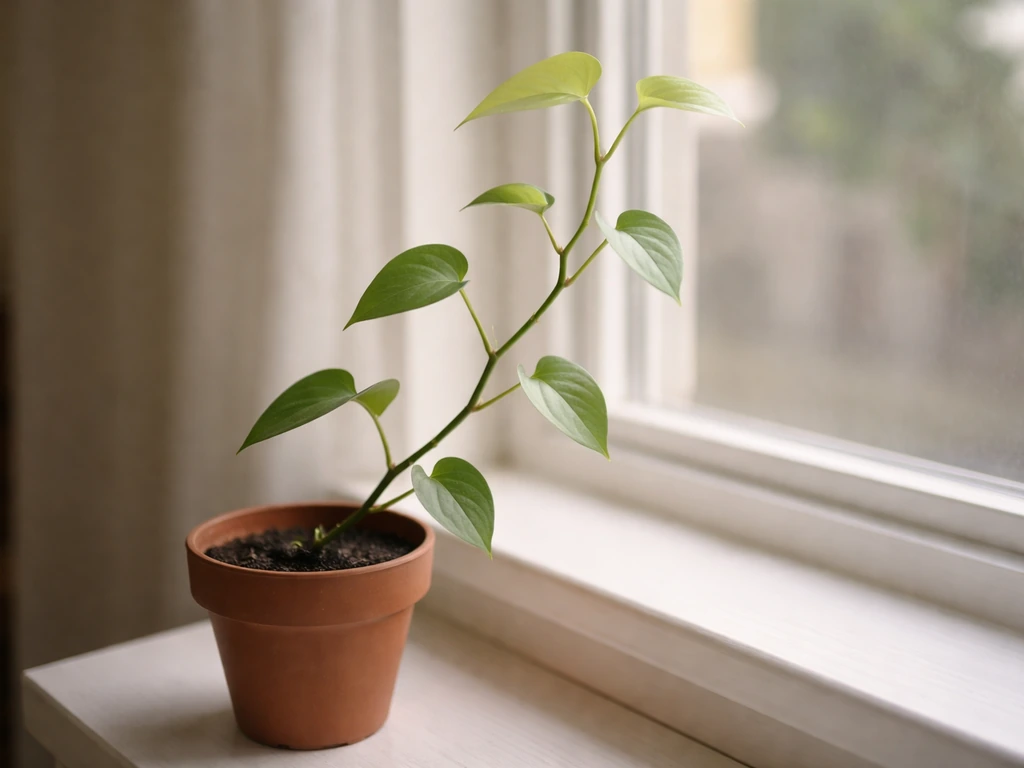
Not every indoor plant needs supplemental lighting. If you are unsure about the basics of when to use grow lights indoors, start by checking your window light first and then adjust hours as needed. A pothos sitting two feet from a south-facing window in summer probably does not. But there are a few clear signs that your current light situation is not cutting it.
- Leggy growth: long gaps between leaf nodes, with stems stretching toward whatever light source exists. This is the most obvious sign. The plant is literally reaching for more light.
- Slow or stalled growth: the plant just sits there, putting out maybe one leaf a month or none at all, even during what should be active growing season.
- Small, pale, or yellowing new leaves: new growth should come in roughly the same size and color as mature leaves. If it is coming in tiny and washed out, light is likely the limiting factor.
- Leaf drop on lower stems: the plant is shedding leaves it can no longer support because it cannot photosynthesize enough to maintain them.
- Spindly seedlings: if you are starting seeds indoors, seedlings that flop over or lean heavily toward a window need more light, and they need it now.
Window direction and season also matter here. A north-facing window gives you very little usable light year-round. East and west windows give moderate light. South-facing windows give the most, but even those get significantly weaker in winter when the sun's angle drops and daylight hours shorten. If your plants are in a north-facing room in January and they are not succulents or ferns, they almost certainly need supplemental light.
If you want to get precise about it, a free app like Photone can measure PPFD (photosynthetically active radiation per second, the light measurement that actually tells you whether photosynthesis is happening) and DLI (daily light integral, which tells you total light dose over a day). These are more useful than lux, which measures brightness to the human eye rather than light useful to plants. That said, you do not need an app to recognize a leggy, struggling plant.
The simplest rule for turning lights on (time of day)
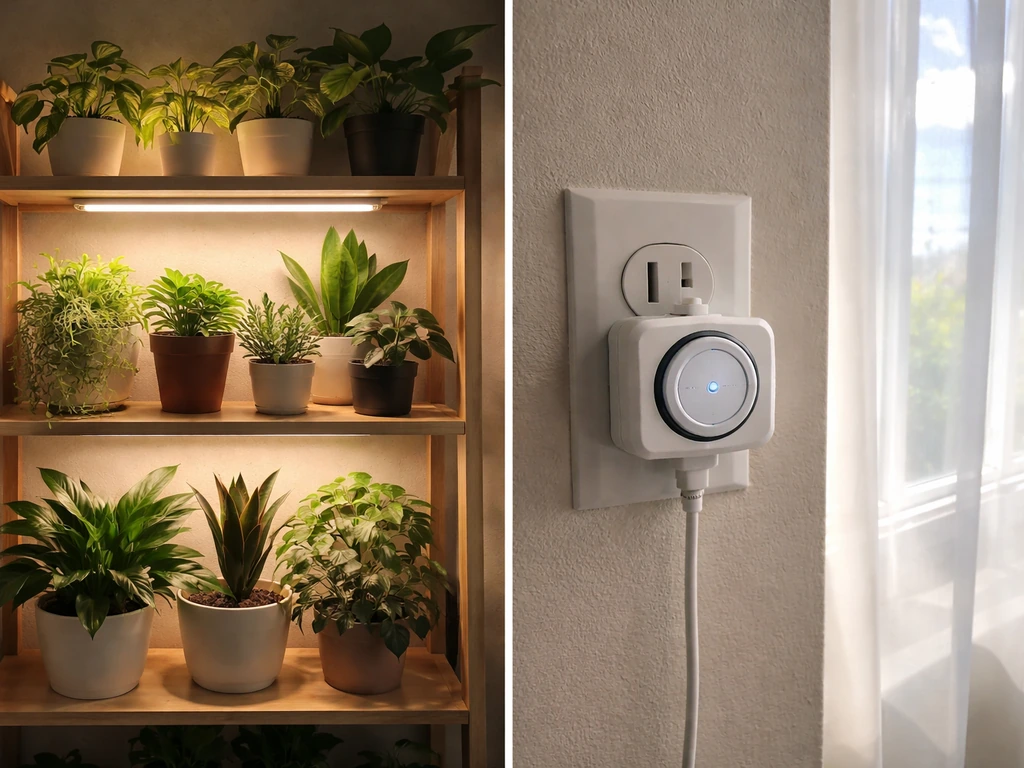
Set your lights to come on in the morning and go off in the evening, mimicking a natural day. If you are wondering when to turn on grow lights, start by matching the schedule to your daylight hours and your plants' target light duration. If you are in a northern climate in December and the sun rises at 7am, turn your lights on at 7am. Run them until you have hit your target number of hours. If you are wondering when to raise grow lights, adjust the height based on your plants' response so they stay close enough to get useful light without overheating. Using a simple outlet timer (they cost about $10) removes the guesswork entirely and keeps the schedule consistent, which plants genuinely appreciate.
The key constraint is the darkness window. Plants need uninterrupted dark time to carry out processes that happen only at night. University of Vermont Extension is clear on this: do not leave grow lights on continuously. University of Maryland Extension recommends never exceeding about 16 hours of total light per day, including both artificial and natural light combined. That means if you are running lights in a room that also gets 6 hours of window light, cap the artificial light at about 10 hours.
A plug-in mechanical or digital timer is the single most practical tool you can add to your setup. Set it once, and your schedule runs automatically without you remembering to flip a switch every morning and evening.
Choosing a schedule by light type and plant goal
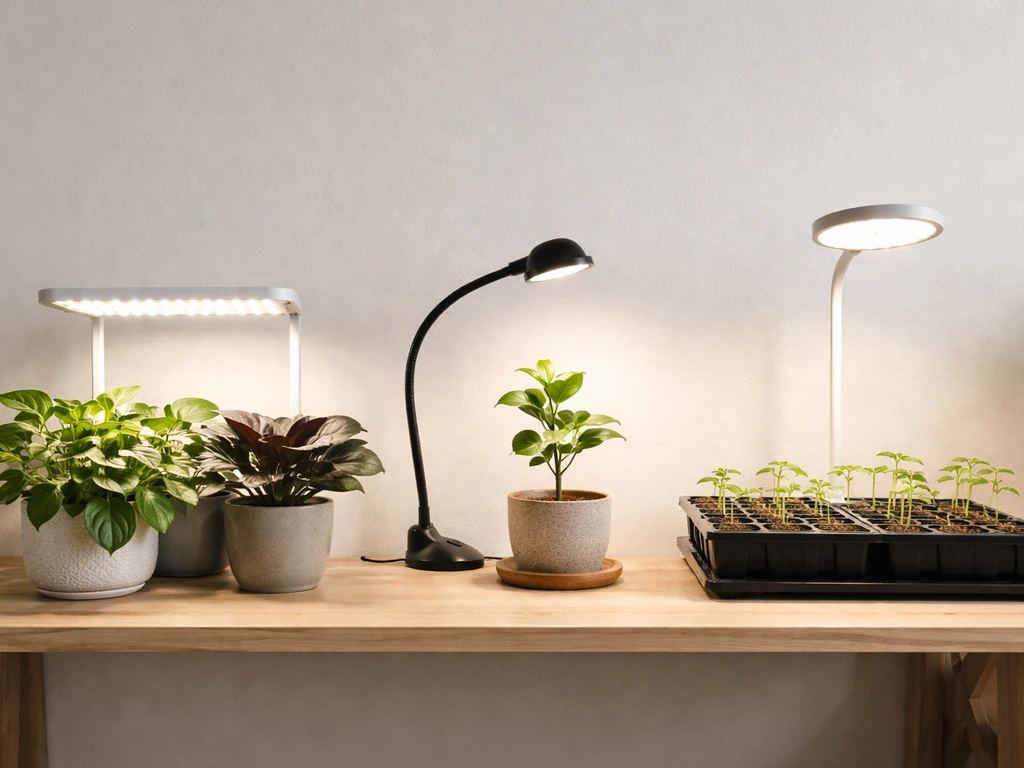
Your schedule should vary based on what type of grow light you are using and what you are trying to accomplish. If you are choosing LEDs, it helps to know when to use LED grow lights based on your plants and the hours of natural light you get. The light type affects how close the fixture needs to be and how intense the output is. Your plant goal (keeping foliage healthy vs. getting flowers or fruit) changes how many hours you need to run.
| Situation | Recommended daily light hours | Notes |
|---|---|---|
| Foliage houseplants, minimal window light | 14–16 hours | Use the upper end in winter; reduce if leaves show stress |
| Foliage houseplants, some window light (4–6 hrs) | 8–10 hours artificial | Total light should stay at or under 16 hours |
| Seedlings starting indoors | 14–16 hours | They need high intensity; keep LEDs or fluorescents close |
| Herbs for kitchen growing | 12–14 hours | Illinois Extension suggests ~2 hrs artificial per 1 hr natural light in fall/winter |
| Flowering or fruiting plants (tomatoes, peppers) | 14–16 hours during vegetative stage | Reduce to 12 hours to trigger flowering in photoperiod-sensitive plants |
| Low-light species (ferns, pothos, peace lily) | 10–12 hours | These burn easily; stay at lower intensity and shorter duration |
On light type: LEDs run cool and can be positioned closer to plants without heat damage, making them more forgiving with schedule length. Fluorescent T5 fixtures also work well and run relatively cool, though they lose intensity quickly with distance. High-intensity discharge lights (HID, including HPS and MH) put out a lot of heat, so your distance and schedule need to account for that heat load on your plants. For most home growers using LEDs or fluorescents, intensity management comes down to distance rather than capping hours, which is covered in the next section.
Distance, intensity, and photoperiod: how to avoid overdoing it
Running lights for 14 hours does not automatically mean your plants are getting 14 hours of useful light. If the fixture is too far away, intensity drops off significantly, and plants get too little even with a long schedule. If the fixture is too close, especially with high-output LEDs or hot bulbs, you risk burning. Getting distance right is as important as getting hours right.
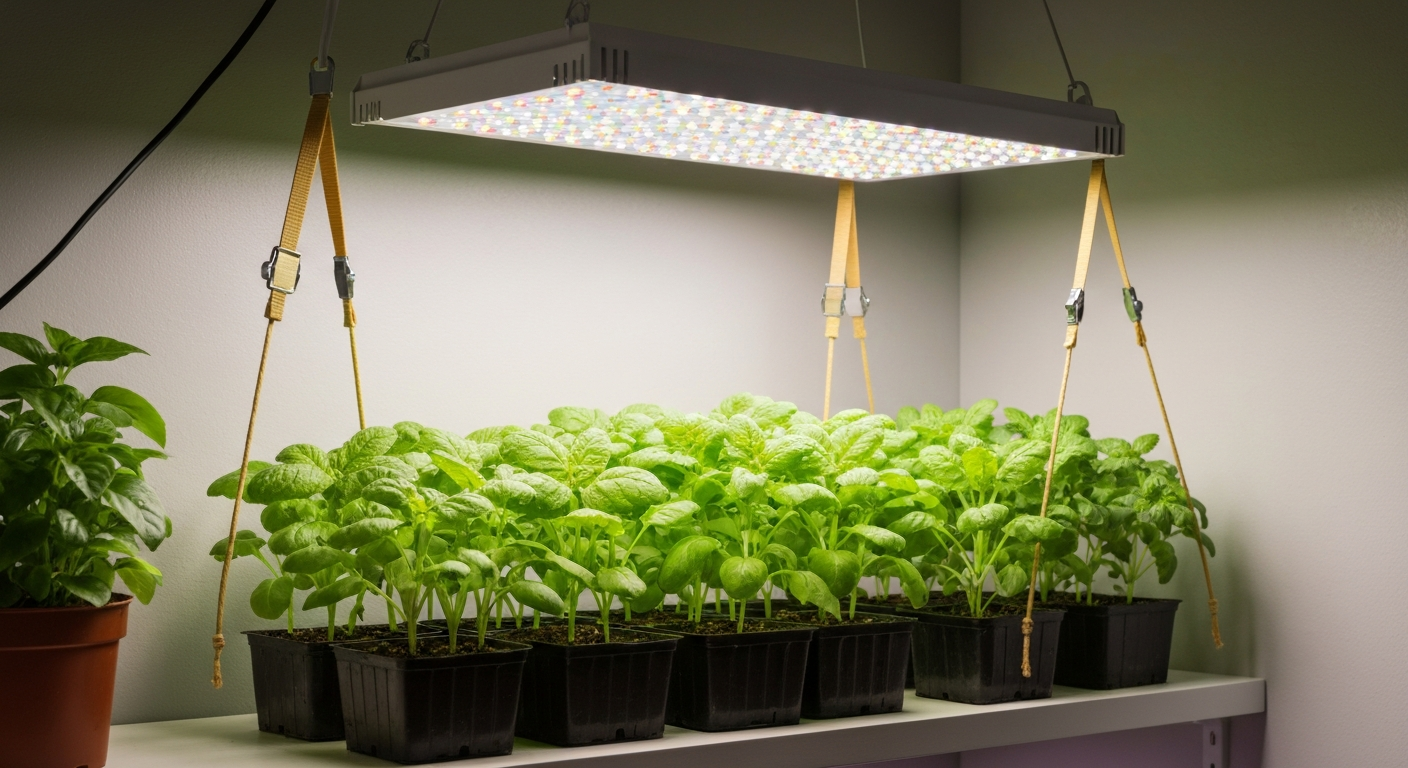
A practical starting point for most LED grow panels is 12 to 24 inches above the plant canopy for foliage plants, and as close as 6 to 12 inches for seedlings that can handle higher intensity. For fluorescent shop lights, 2 to 4 inches above seedlings is common. Always check the manufacturer's recommendation for your specific fixture, then watch your plants for a week before making further adjustments.
Photoperiod is the word growers use for the relationship between light hours and dark hours and what that triggers in a plant. Most foliage plants and seedlings thrive on 14 to 16 hours of light. Flowering plants (like tomatoes, peppers, or cannabis) often stay in vegetative growth on long-day schedules (16 hours light) and then switch to flowering when you drop to 12 hours light and 12 hours dark. If you are growing herbs or vegetables indoors for the first time, keeping things at a consistent 14-hour schedule is a safe starting point for almost all of them.
UConn Extension points out that too much light indoors can result in burning of the leaf and stem. The fix is almost always to raise the fixture, not to shorten the schedule dramatically. If you see bleached or crispy patches forming on leaves near the top of the plant, move the light up a few inches and monitor for three to five days before making another change.
Seasonal adjustments: winter vs summer
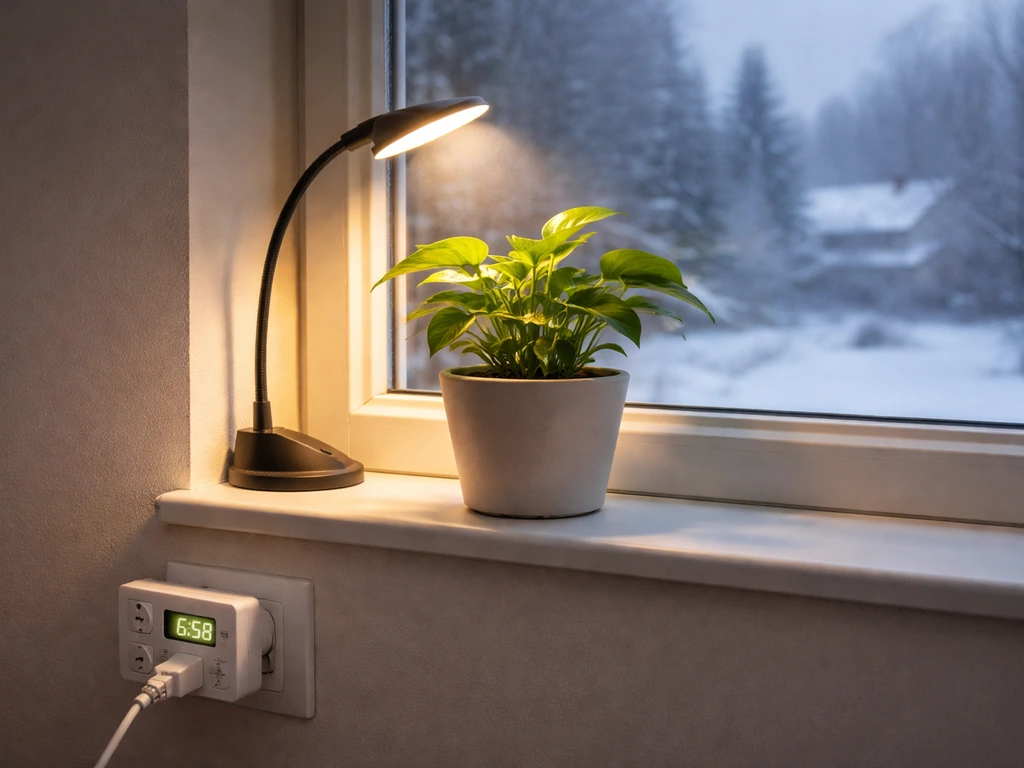
Your grow light schedule is not a one-time setup. Seasons change how much natural light enters your home dramatically, and your artificial light schedule needs to shift with them.
Winter (October through February for most of the US)
This is when grow lights earn their keep. Days are short, the sun's angle is low, and even a south-facing window delivers a fraction of summer intensity. UMN Extension notes that houseplants commonly get leggy in winter precisely because of reduced light. In winter, run your lights at or near the upper end of the range (14 to 16 hours). Turn them on early to catch the morning and run them into the evening. If your plants are herbs or seedlings, Illinois Extension's rule of thumb is helpful: add about two hours of artificial light for every one hour of natural light you are losing compared to a brighter season.
Spring and summer (March through August)
As daylight returns, you can reduce your artificial light hours gradually. If a plant is getting 8 or more hours of quality window light in summer, it may not need supplemental lighting at all. Pull back artificial hours in 2-hour increments as natural light increases and watch your plants' response. Leggy growth disappearing and new leaves coming in compact and full-sized means your current light is working. Spring is also a good time to reposition plants that suffered in winter, giving them the best window access while easing off the lights.
A simple seasonal schedule adjustment
- November to February: 14 to 16 hours artificial light, early morning start
- March and September: 12 to 14 hours, adjust based on how much daylight is available
- April to August: 8 to 12 hours or less, depending on your window situation; consider turning lights off entirely if plants are thriving on natural light alone
- Check your total daily light (natural + artificial) every season change and stay under 16 hours combined
Troubleshooting schedules using plant signs
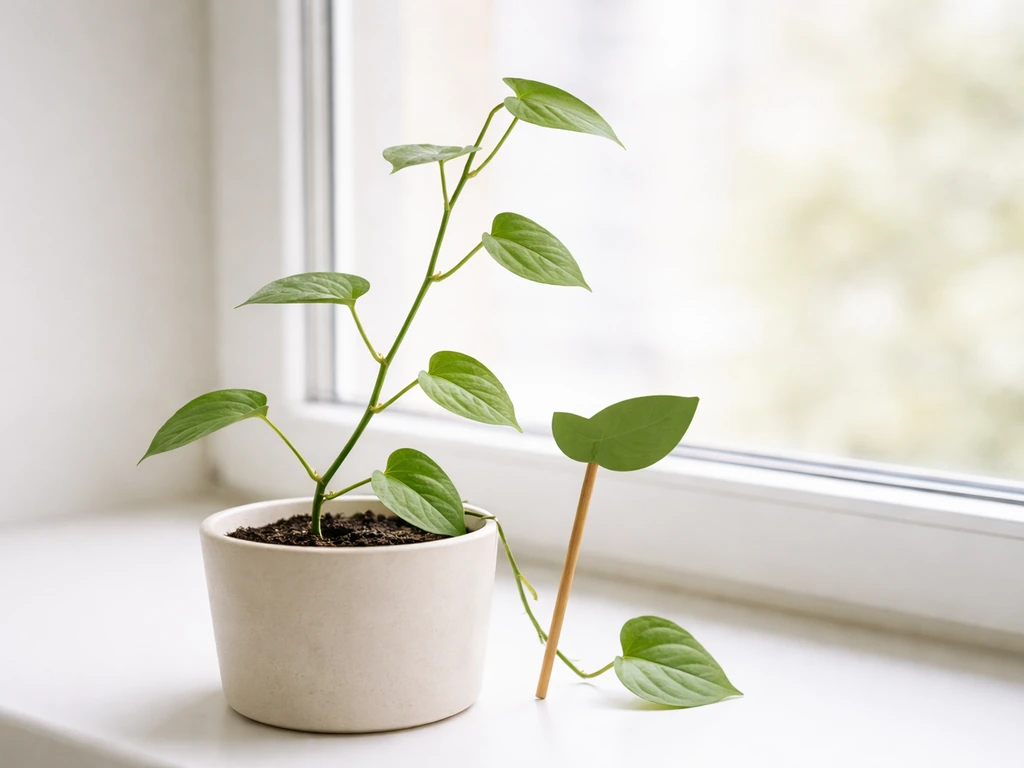
Your plants will tell you whether the schedule is working. Here is how to read what they are showing you and what to do about it.
| What you see | What it usually means | What to do |
|---|---|---|
| Long gaps between leaf nodes (leggy growth) | Not enough light intensity or hours | Increase light hours by 2 hrs/day or lower the fixture 2–4 inches, then reassess in one week |
| Bleached, pale, or washed-out patches on upper leaves | Too much intensity (light too close) | Raise the fixture 3–6 inches; keep hours the same |
| Crispy brown edges or burnt-looking leaf tips | Too much intensity or heat stress | Raise fixture, improve airflow, check for heat buildup under the fixture |
| Slow growth even with long light hours | Intensity is too low even if duration is adequate | Lower the fixture or upgrade to a higher-output light; check PPFD with an app like Photone |
| Yellowing of lower, older leaves | Could be light, could be overwatering or nutrients; check light first | Ensure total daily light is in the 12–16 hour range; rule out watering issues |
| Leaves curling upward | Heat stress from fixture running too hot | Raise fixture, switch to a cooler-running LED if using older HPS or incandescent bulbs |
| Plant not flowering despite healthy foliage | Photoperiod not triggering bloom | Reduce light to 12 hours on / 12 hours off to induce flowering in photoperiod-sensitive species |
One important thing: make one change at a time. If you shorten the schedule and lower the fixture at the same time, you will not know which change produced the result. Adjust hours one week, then position the following week if you still need to. Plants respond slowly, and patience here prevents a lot of confusion.
Safety and practical setup tips for indoor use
Grow lights are not dangerous or complicated, but a few practical things will make your setup safer and more comfortable to live with.
- Use a timer: a plug-in outlet timer is the single best investment beyond the light itself. It keeps your schedule consistent and prevents accidental 24-hour exposures that can stress plants.
- Manage heat: even LEDs produce some heat, and older fluorescent or HID setups can raise temperatures noticeably. Make sure there is airflow around your fixture. If the area under the light feels noticeably warm after an hour, that is worth addressing. UVM Extension specifically flags heat as a hazard for seedlings.
- Protect your eyes: modern LED grow lights, especially full-spectrum ones with deep red and blue diodes, can be uncomfortable to look at directly. You do not need special goggles for a home setup, but avoid staring directly into the fixture. Grow light glasses (around $15 to $30) are a nice comfort upgrade if you spend a lot of time working under them.
- Reduce glare in living spaces: if your lights are in a room you use regularly, position them to face down toward plants rather than across the room. A simple reflective panel or white-painted grow tent can dramatically improve light efficiency and reduce spill into your living space.
- Avoid DIY wiring: plug-in fixtures and timer setups are completely safe. Do not hardwire fixtures yourself unless you are an electrician. Stick with plug-in setups and UL-listed fixtures.
- Do not panic about light spectrum myths: full-spectrum LEDs will not give you a tan or cause harm with normal use. The light is designed to support photosynthesis, not to emit UV in harmful amounts. Normal precautions (not staring into the light) are all you need.
- Check total daily light, not just artificial hours: if you add a grow light to a room that already gets 8 hours of window sun, your 14-hour schedule is actually giving plants 22 hours of light. That is too much. Adjust down to keep the combined total at or under 16 hours.
Setting up grow lights is genuinely one of the simpler parts of indoor growing once you have the basics down. Get a timer, start with 12 to 14 hours of total daily light, position your fixture at a reasonable distance, and then watch your plants for a week. They will give you clear feedback, and small adjustments from there take minutes. The goal is a consistent, repeatable routine that your plants can count on every single day.
FAQ
If I forget to turn the grow lights on in the morning, should I extend them later to catch up?
Use a timer so the light comes on automatically, and start with morning hours. If you accidentally leave the lights on late, do not “make up” by extending into the middle of the night, because you still need a solid, uninterrupted dark period every day.
Can I split grow light time into two shorter periods instead of one block during the day?
Yes, but only if you still hit your target total light duration while keeping darkness uninterrupted. For example, in a room with decent window light, you can run lights for fewer hours, just make sure the plant still gets the required dark window.
Is it okay if my lights sometimes turn on during the night as long as the total light hours are correct?
Avoid running lights during the middle of the night, even if the total number of light hours looks correct. Many plants rely on a consistent light-dark cycle, and breaking that cycle often causes weaker growth or delayed flowering behavior.
When should I start grow lights for seedlings versus fully grown foliage plants?
Seedlings usually need less overall time than mature foliage plants, even if they tolerate stronger intensity. Start at the lower end of the day-length range and prioritize correct distance, then adjust after observing leaf color and stretch over a week.
For plants that flower (like tomatoes or peppers), does the on-time schedule matter differently than for foliage plants?
For flowering triggers, follow the photoperiod schedule for the crop, since “when” matters as much as “how long.” Keep the dark period uninterrupted, and use a timer to prevent late-night light leaks that can disrupt bloom timing.
My plant looks leggy, should I turn the grow lights on for fewer hours or change something else?
If the plant is getting weak growth or stretching, the first adjustment is distance (bringing lights closer if intensity is too low), not cutting the schedule drastically. Shortening hours can reduce total light dose more than necessary.
What should I do if the leaves near the light are bleaching or getting crispy?
Check distance and fixture output first if leaves look washed out or develop crispy bleached patches near the top. Then make small upward distance changes and wait several days, because reactions to light intensity changes are not immediate.
How fast should I change my grow light schedule when seasons shift?
Keep lights on a consistent daily rhythm, but adjust gradually as seasons change. A common approach is shifting artificial hours in 2-hour steps as daylight increases or decreases, while monitoring for compaction (good) versus stretching (too dim).
What are common scheduling mistakes with outlet timers that can mess up grow light timing?
If you have lights controlled by an outlet timer, confirm it can handle the fixture’s wattage and that it is set to the correct local time. Daylight saving time can cause unintended schedule shifts, so double-check the timer settings after the time change.
Can running lights longer than usual cause problems even if the plant doesn’t show obvious burning?
Yes, long photoperiods can change plant behavior. If you’re trying to keep a plant vegetative, avoid accidentally switching into a flowering photoperiod by keeping hours too low or by introducing light at the wrong time.
What should I do on very cloudy days when natural light is unpredictable?
Account for any natural light consistently, then build your artificial schedule around the target total. If sunlight changes day to day (cloudy weather), rely on your timer for consistency and adjust later only if plant responses suggest chronic under or over-lighting.
When my room has almost no natural light, is it better to run lights longer every day or increase intensity some other way?
If your room is dim, plan to run closer to the upper end of typical ranges, but still respect the cap tied to total light and, most importantly, provide darkness. The practical next step is to start at a reasonable total, then verify through plant response rather than chasing the daily sky.
How sensitive are plants to light leaks during their required dark period?
Light leaks matter, especially during the dark period. Close blinds, block LEDs from nearby devices if they shine into the plant area, and position plants so the dark period stays truly dark for the full uninterrupted window.
Next Articles
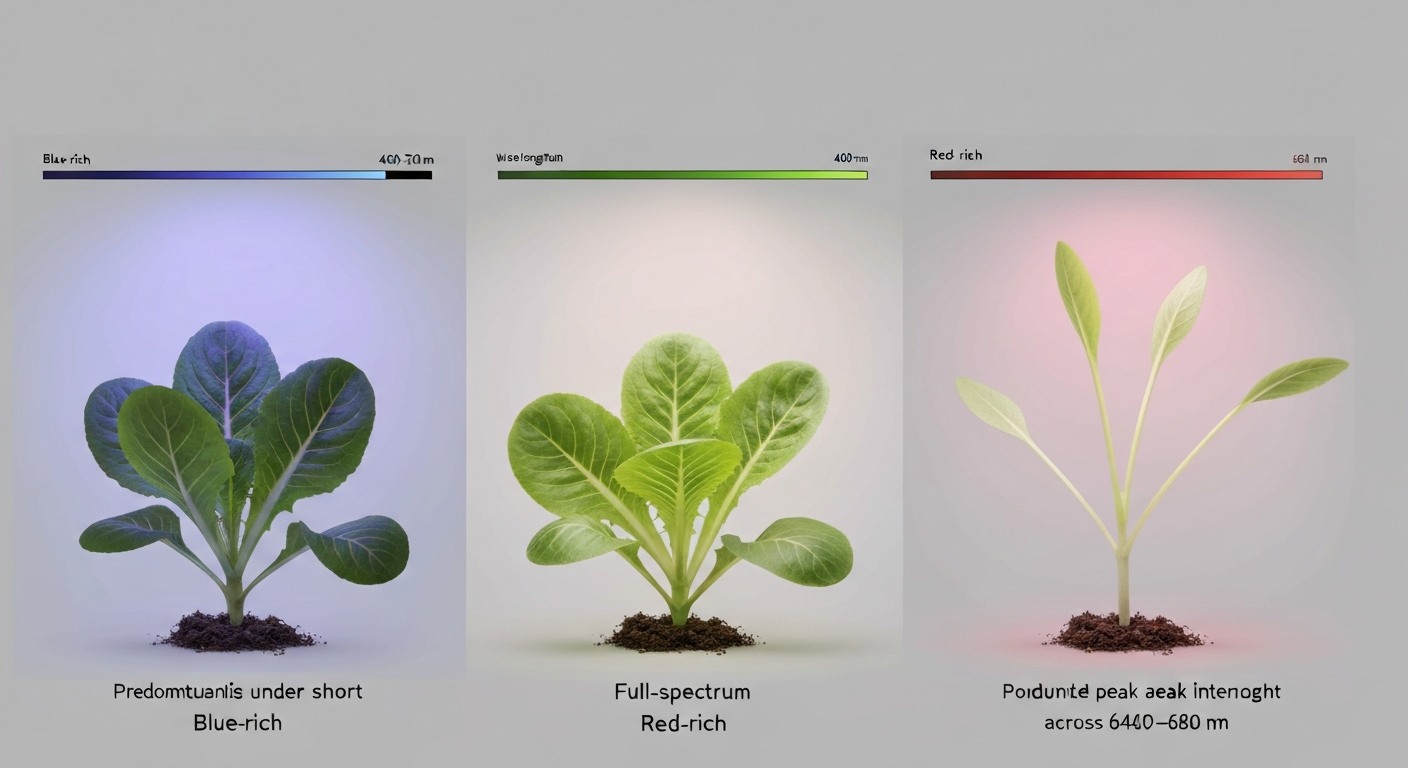
Why Do Plants Grow Best in Blue Light? Science & Practical Guide
Explore why blue light boosts vegetative growth, ideal blue:red ratios, PPFD, photoperiods, fixtures, and setup tips.
What Artificial Light Will Grow Plants: Best Lights Guide
What artificial light will grow plants: practical guide to LED, CFL, HID spectra, PPFD targets, setup, cost & tips.
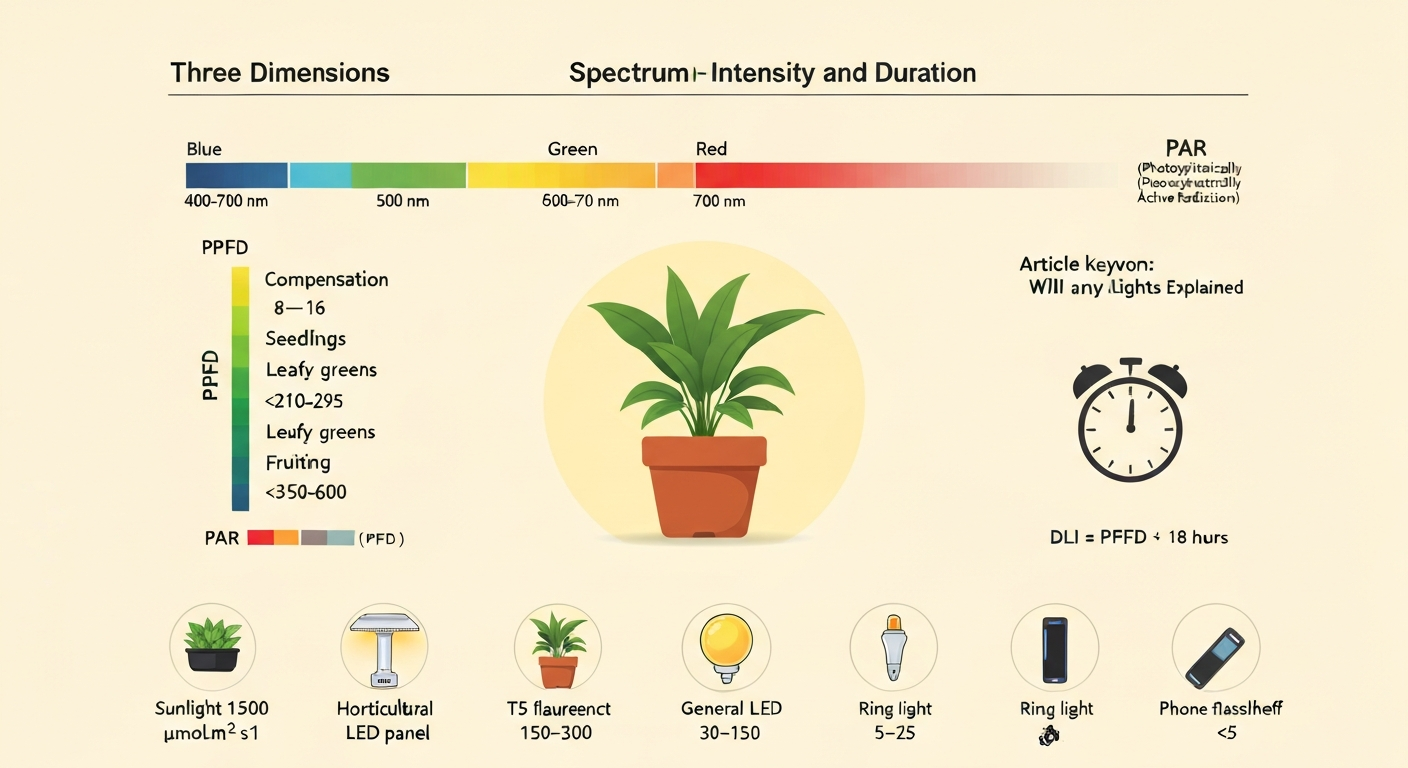
Will Any Light Grow Plants? Guide for Indoor Growers
Can any light grow plants? Clear yes/no, science-backed light specs, setup tips, and which household lights work.