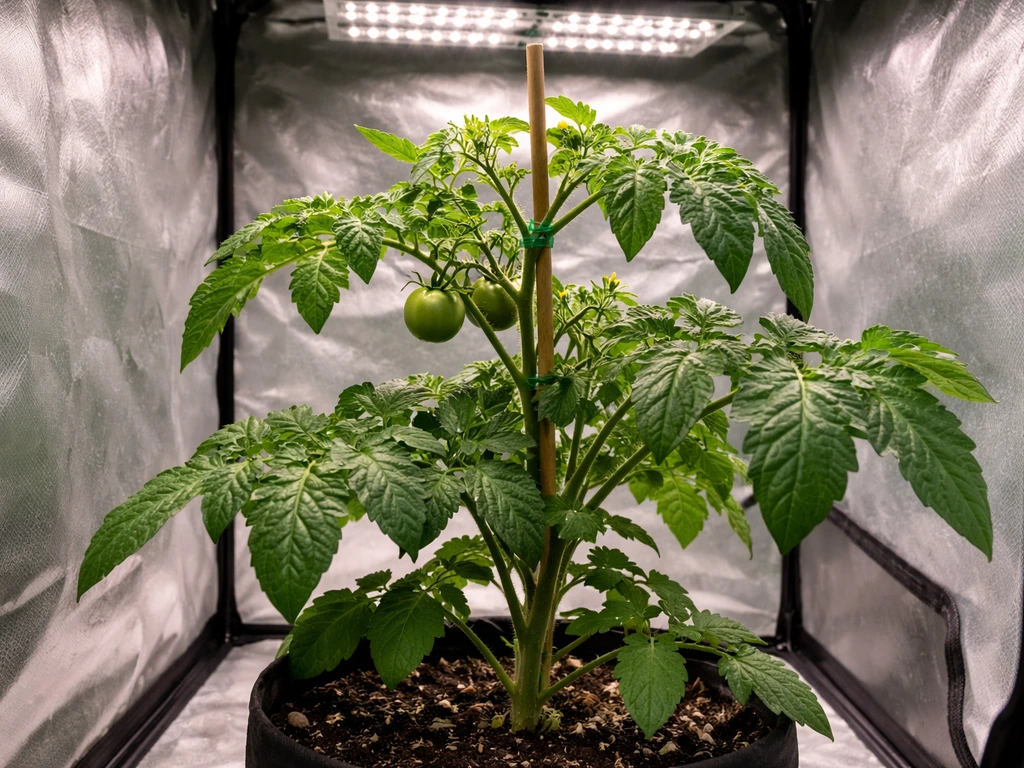
Yes, you can absolutely grow tomatoes indoors with grow lights, and people do it successfully all year round. The key is matching the right light intensity and duration to what tomatoes actually need, choosing compact varieties suited to containers, and managing the indoor environment beyond just the light. Get those things right and you'll see flowers, fruit set, and a real harvest from plants growing entirely under artificial light.
Can You Grow Tomatoes Indoors With Grow Lights? A Guide
Marcus Holloway
8 Jun 2026
What makes tomatoes work (or not) indoors
Tomatoes are a full-sun crop. Outside, they want roughly 8 to 10 hours of direct sunlight per day, and they're not shy about punishing you when they don't get it. Indoors, even a bright south-facing window rarely delivers enough intensity, especially in winter. That's where grow lights close the gap.
But not every tomato variety is a realistic indoor candidate. Large beefsteak types get huge, sprawling, and hungry for more light than most home setups can deliver. The varieties that genuinely work well indoors are compact determinates or dwarf indeterminate types bred for containers: think Tiny Tim, Micro Tom, Tumbling Tom, Red Robin, or Patio. These stay manageable in size, still produce real fruit, and don't require a warehouse ceiling height or a commercial lighting rig.
One misconception worth clearing up early: grow lights are not dangerous to use at home. They won't give you a tan, they won't cause cancer, and they don't emit harmful radiation. A quality LED grow light is essentially a specialized LED panel. The main risks people run into are practical ones like light burn on leaves from positioning the fixture too close, or heat stress if the grow space isn't ventilated. Those are easy to manage once you know what to watch for. { how to grow indoor plants with grow lights.
Choosing the right grow light for tomatoes
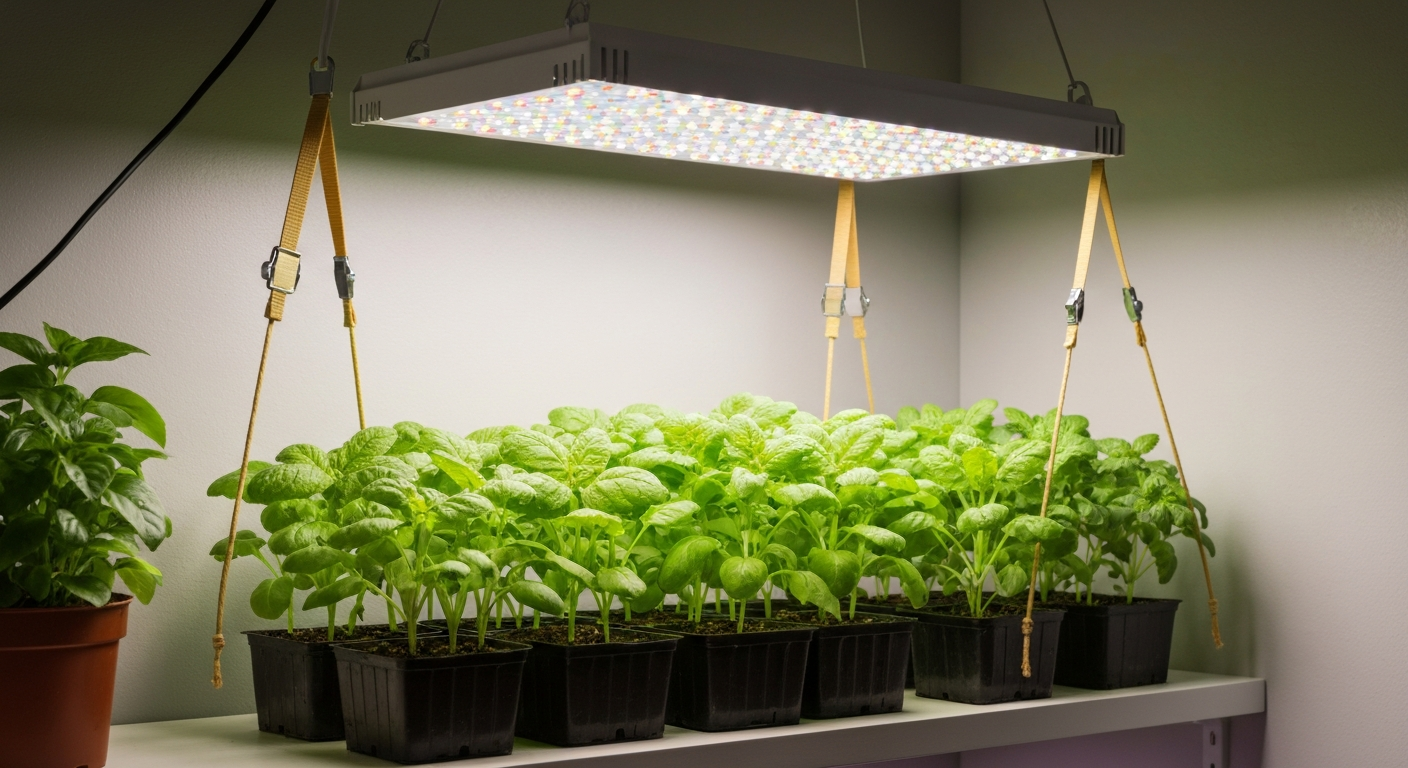
LED grow lights are the best choice for growing tomatoes indoors right now, and by a meaningful margin. They run cooler than HID or fluorescent fixtures, which matters a lot when your light is positioned close to the canopy. They're also more energy-efficient, have a long lifespan, and modern full-spectrum LEDs cover the red and blue wavelengths tomatoes need for both vegetative growth and flowering and fruiting.
Fluorescent T5 fixtures can work adequately for starting seedlings, but they typically lack the intensity to carry a tomato plant through flowering and fruiting. High-pressure sodium (HPS) lights deliver excellent intensity and have a long track record in commercial tomato production, but they run hot, consume more electricity, and require a ballast. For a home setup, LED is the practical answer.
What specs actually matter
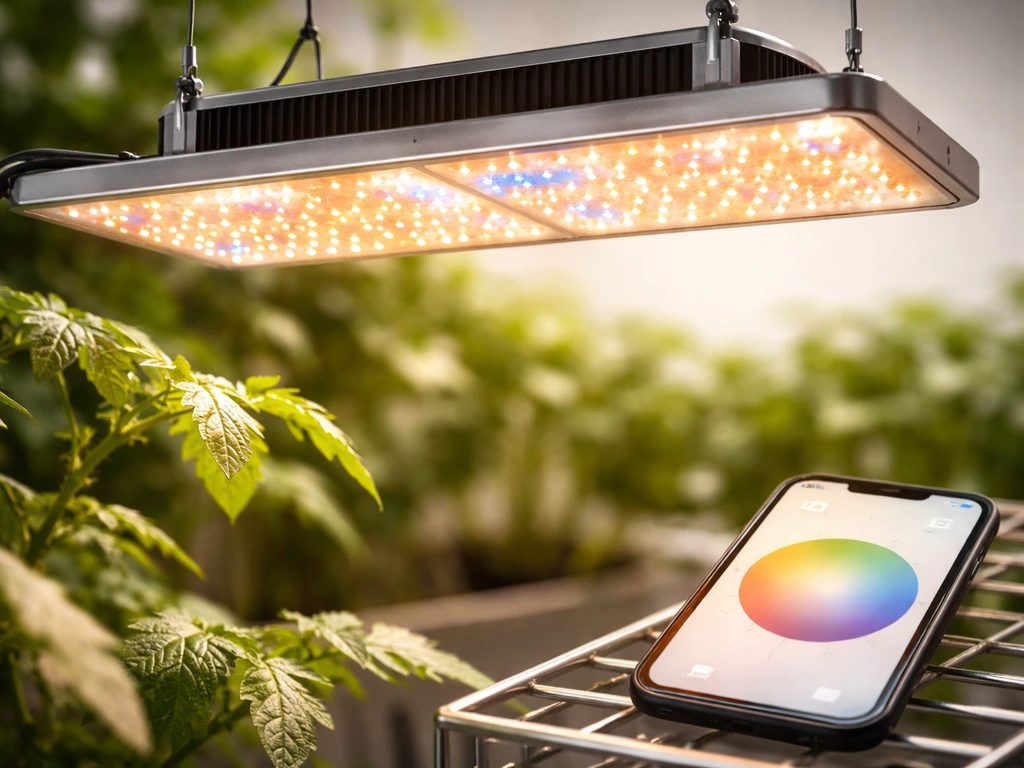
When you're shopping for an LED grow light for tomatoes, focus on PPFD and wattage coverage area rather than just the wattage number printed on the box. PPFD stands for photosynthetic photon flux density, which is just a measure of how much usable light is hitting your plants per second. For tomatoes in the fruiting stage, you want a PPFD of around 400 to 600 micromoles per square meter per second at the canopy level.
For seedlings, 200 to 300 is enough. A quality LED panel rated for a 2x2 to 3x3 foot growing area at 200 to 300 true watts (draw from the wall, not the inflated equivalent wattage some brands advertise) will handle one to four compact tomato plants depending on variety. Look for full-spectrum lights that include both blue (around 450 nm) and red (around 650 to 660 nm) wavelengths. Many modern LEDs also include far-red, which can help with flowering.
| Light Type | Best For | Heat Output | Energy Efficiency | Cost to Start |
|---|---|---|---|---|
| Full-spectrum LED | Seedlings through harvest | Low | High | Medium to high upfront |
| T5 Fluorescent | Seedlings only | Low to medium | Medium | Low |
| HPS | Fruiting stage | High | Low to medium | Medium (plus ballast) |
| CMH/LEC | Full cycle | Medium | Medium to high | Medium to high |
For most home growers, a reputable full-spectrum LED panel is the starting point and the finish line. You don't need to overcomplicate this.
Getting the setup right: distance, intensity, and hours per day
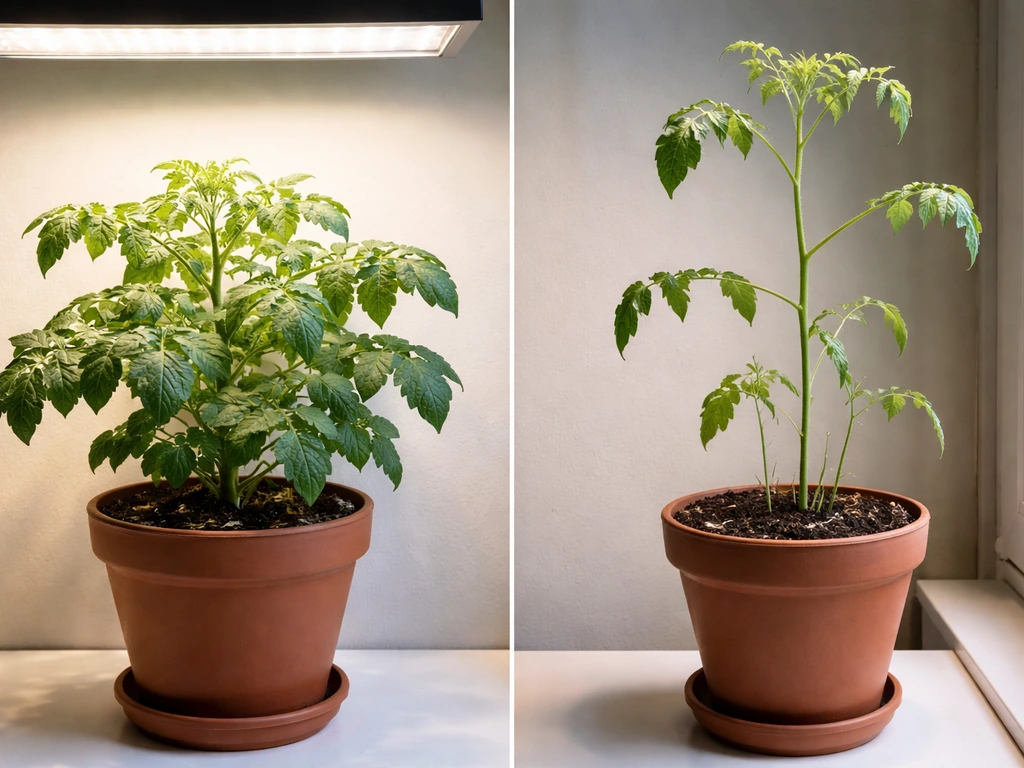
Distance is one of the most common things people get wrong. Too far away and seedlings go leggy and weak reaching for the light. Too close and you get light burn or heat stress. For LED grow lights, a general starting point is 18 to 24 inches above the canopy for mature plants, and 12 to 18 inches for seedlings.
That said, every fixture is different, so use your hand test: hold your hand at canopy height for 30 seconds. If it feels warm but not hot, you're in the right zone. If it's uncomfortable, raise the light. UNH Extension research on seedlings specifically notes that lights kept less than a foot from seedlings (in the context of shop-light setups) dramatically reduces legginess, which tells you just how much intensity drops with distance.
For daily light duration (photoperiod), tomatoes do well with 14 to 18 hours of light per day under artificial conditions. This is longer than the 8 to 10 hours of outdoor sunlight they prefer because indoor light intensity is typically lower than full summer sun, so you compensate with more hours. A timer is non-negotiable here. Set it and forget it. Tomatoes also need a dark period, so don't run lights 24 hours. Somewhere in the 16-hour light, 8-hour dark range is a reliable starting point. If your light is strong and well-positioned, 14 hours can be enough.
Growing tomatoes under lights from seed to harvest
Starting seeds
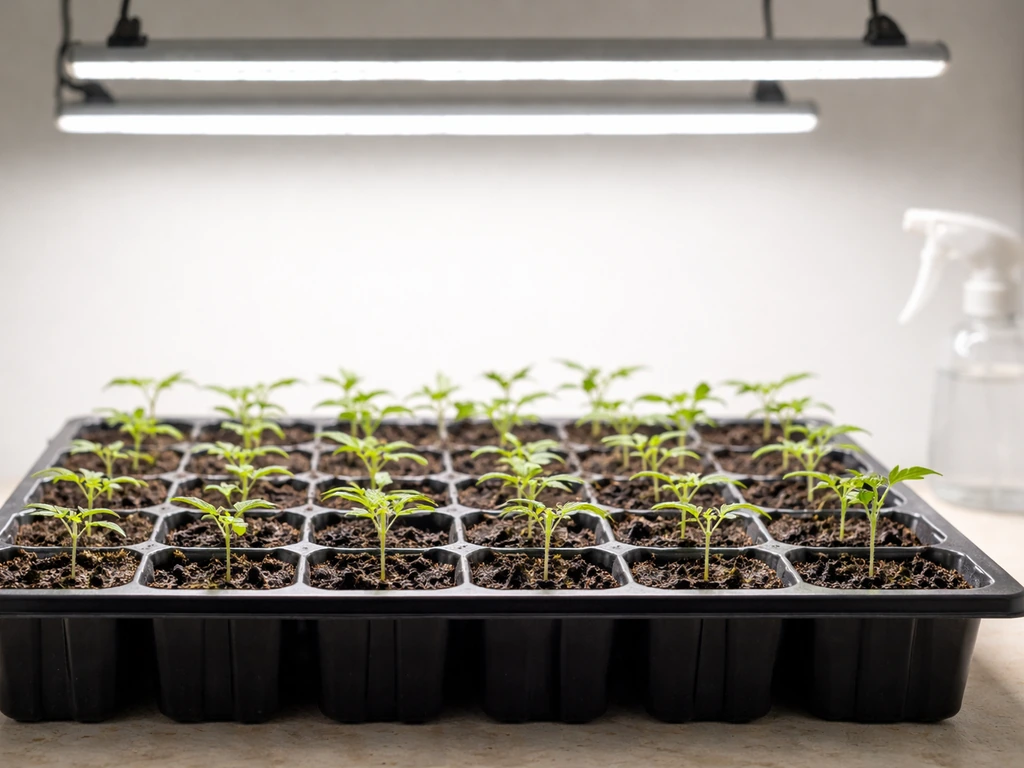
Start seeds in small cells or seed-starting trays using a quality seed-starting mix. Tomato seeds germinate best when the growing medium is warm, around 70 to 75 degrees Fahrenheit. A seedling heat mat placed under the trays speeds germination significantly. You don't need grow lights on yet for germination itself since seeds sprout in the dark, but the moment seedlings emerge and show their first leaves, get the light on them immediately.
This is the most critical window: seedlings deprived of sufficient light within the first few days stretch into weak, leggy stems that never fully recover. University of Delaware Cooperative Extension recommends starting tomato seeds about 8 weeks before you'd want mature transplants, which is useful context even for indoor growers planning their growing timeline.
Seedling stage (weeks 1 to 4)
Keep lights 12 to 18 inches above the seedling tray. Run them 16 hours on, 8 hours off. Water carefully, keeping the mix moist but not soggy. Overwatering at the seedling stage is a fast track to damping off. Once seedlings develop their first set of true leaves (not the initial seed leaves), you can begin very diluted liquid fertilizer at about a quarter of the recommended dose. Pot up into 4-inch containers once seedlings are a couple of inches tall and have a good root system.
Transplanting and growing on (weeks 4 to 8)
Move plants into their final containers when they're 6 to 8 inches tall and showing strong, thick stems. For indoor compact varieties, a 3 to 5 gallon container per plant is usually enough. Larger determinates may want up to 10 gallons. Use a good quality potting mix and bury the stem deeper than it was in the seedling pot: tomatoes will form roots along the buried stem, giving you a stronger plant. Raise the light height as plants grow to maintain that 18 to 24 inch distance from the canopy.
Training and support
Even compact varieties need some support as they flower and fruit. A simple bamboo stake and garden twine is usually enough for dwarf or determinate types. For indeterminate varieties grown indoors, a small cage or trellis helps keep things upright. If you're growing indeterminate types, pinching out suckers (the shoots that grow in the crotch between the main stem and a branch) keeps the plant manageable and directs energy toward fruit rather than endless vegetative growth.
Pollination indoors
This is the step most indoor growers miss, and it's why plants flower but set no fruit. [Tomatoes are buzz-pollinated](https://www. uaf. edu/ces/publications/database/gardening/pollination-fruit-development-tomatoes.
php): in nature, bees vibrate the flowers at a specific frequency to release pollen. Indoors, there are no bees and often no wind. You have to replicate this yourself. The easiest method is to gently shake or flick each open flower cluster once a day when flowers are fully open, usually around midday when lights are on.
A small battery-powered toothbrush held against the flower stem for a few seconds does the job beautifully. Do this every day during flowering and you'll see fruit set within a week or two. According to University of Alaska Fairbanks Cooperative Extension research on tomato pollination, this kind of manual vibration effectively substitutes for buzz pollination and is sufficient for small numbers of plants.
What else your tomatoes need beyond light
Light is the most critical piece, but it's not the whole picture. Indoor tomatoes live or die by the full package of environmental conditions.
- Temperature: Keep daytime temps between 65 and 80 degrees Fahrenheit. Fruit set tanks above 90 degrees or below 55 degrees because pollen viability drops sharply at temperature extremes. If you're running hot grow lights in a small space, monitor temps closely with a thermometer.
- Airflow: A small oscillating fan running on low does two important things: it strengthens stems by providing mild resistance (the same reason outdoor plants get stronger in wind), and it improves air circulation to reduce humidity and fungal disease risk. Don't skip this.
- Watering: Tomatoes in containers dry out faster than in ground soil. Check moisture daily by sticking your finger an inch into the soil. Water thoroughly when the top inch feels dry, and make sure containers have drainage holes. Inconsistent watering causes blossom end rot and cracked fruit.
- Nutrients: Container-grown tomatoes need regular feeding. Start with a balanced fertilizer during vegetative growth, then switch to a lower-nitrogen, higher-phosphorus and potassium formula once flowering begins. Feed every one to two weeks following package directions. Don't overfeed nitrogen or you'll get big lush plants with no fruit.
- Container size: Too small a pot restricts roots, stresses the plant, and limits yield. Go bigger than you think you need.
When things go wrong: troubleshooting common problems
Leggy, stretchy seedlings
This is the number one symptom of insufficient light. If seedlings are tall, thin, and flopping over, the light is either too far away or not intense enough. Cornell’s tomato growing guidance also warns that when light is insufficient, tomato transplants can become leggy and weak, and it suggests avoiding “leggy” or “yellowish” plants as transplants leggy seedlings. Move the light closer immediately. As a rule, if you can grow leggy seedlings, you can usually recover by potting them deeper and getting the light positioned correctly going forward. Prevention is easier than recovery.
Flowers dropping without fruit set
Almost always a pollination issue or a temperature problem. Start manually pollinating every open flower daily. Check that your grow space isn't getting too hot when lights are running. Temperatures above 90 degrees will cause flowers to abort regardless of what else you do.
Yellowing leaves
Yellow leaves on the lower portion of the plant are often normal as the plant ages. Widespread yellowing of newer growth usually points to a nutrient deficiency, most commonly nitrogen or iron. Check that you're feeding consistently. If you've been watering a lot, you may have been flushing nutrients out of the soil faster than the plant can absorb them.
Light burn or bleached spots on leaves
White or pale patches on the top leaves closest to the light mean the fixture is too close. Raise it a few inches and the issue stops. New growth that appears after you adjust the distance should come in healthy.
Heat stress
If leaves are curling upward, tips are browning, and plants look wilted even when soil is moist, heat stress is likely. Add a fan, crack a window, or raise your light. Grow lights themselves don't emit harmful radiation, but any light source generates heat in an enclosed space, and tomatoes are sensitive to it.
What results to realistically expect
With a solid setup, here's a realistic timeline for compact tomato varieties grown entirely under LED grow lights:
- Germination: 5 to 10 days after sowing
- First true leaves: 2 weeks after germination
- Ready for final container: 4 to 6 weeks from seed
- First flowers: 6 to 10 weeks from seed, depending on variety
- First ripe fruit: 10 to 16 weeks from seed for small-fruited compact varieties
- Ongoing harvest: weeks to months depending on whether the variety is determinate (all at once) or indeterminate (continuous)
Yields will be smaller than outdoor garden tomatoes. That's honest. A Tiny Tim or Red Robin plant in a 3-gallon pot under a quality LED will give you handfuls of cherry tomatoes, not bushels. But the fruit is real, it tastes good, and you grew it entirely indoors year-round. If you’re trying to ripen green tomatoes indoors, the same light setup rules and timing matter, especially once fruit has set. For beginners, starting with cherry or cocktail tomato varieties is the right move: they're faster, more forgiving, and more likely to actually set fruit under the lower light intensities typical of home grow setups.
If you want to go deeper on setup techniques, the principles covered here for tomatoes apply broadly to other edible plants too. Growing tomatoes is actually a useful proving ground for your indoor light setup: if you can flower and fruit tomatoes, you've got a setup that'll handle most other vegetables. The step up in complexity from leafy greens to tomatoes is mostly about nailing pollination and keeping temperatures in range, and once you've done it once, the whole process becomes second nature.
FAQ
Can you grow tomatoes indoors with grow lights using a window instead of a full setup?
You can start seedlings in bright window light, but once plants are ready to flower, window intensity usually drops below what tomatoes need. If you try to rely on a window, plan to supplement with a grow light over the canopy and aim for fruiting-stage PPFD, not just “bright sun” conditions.
How many plants can I grow under one LED panel?
It depends on the fixture’s coverage area at canopy height and how concentrated the light is. As a practical rule, treat a 2x2 to 3x3 footprint as room for one to four compact plants, and scale down if your tomatoes spread beyond the lit area.
Do tomatoes need full-spectrum light for indoors, or will red-and-blue work?
Red-and-blue LEDs can work for flowering and fruiting, but full-spectrum is often more forgiving because it provides a wider balance of wavelengths that can improve overall growth consistency. If you see strong flowering but weak, stunted growth, consider switching to a better-balanced spectrum rather than only changing the photoperiod.
What’s the best way to tell if my light is too strong versus too weak?
Too weak usually shows as tall, thin, stretching growth that keeps leaning toward the fixture. Too strong often looks like pale or bleached patches on the top leaves nearest the light, leaf scorching, or curling when combined with heat. Adjust height in small steps, then reassess new growth after a few days.
Should indoor tomatoes get more light hours if they aren’t fruiting?
Not automatically. First verify you are pollinating every open flower and that daytime temperatures are in range. Extending light beyond about 18 hours can stress plants and doesn’t compensate for missing pollination or excessive heat.
Can I grow tomatoes indoors without a fan for airflow?
You can physically grow them, but expect issues. Limited airflow raises the risk of fungal problems and can also reduce the “vibration” effect from day-to-day handling. Use a small oscillating fan to keep stems sturdier and to help stabilize temperature.
How do I prevent overwatering when I’m running lights for 16 hours a day?
With long light cycles, the top of the mix can stay wet longer while the plant’s uptake lags if temperatures are cool. Water only when the top inch feels dry, use pots with drainage holes, and avoid letting trays sit with runoff.
Do tomatoes need fertilizer indoors, and how do I avoid overfeeding?
Yes, because container media runs out faster indoors. Start with very diluted fertilizer once true leaves appear, then increase gradually. If leaves are green and lush but flowers drop, reduce nitrogen slightly and focus on consistent feeding rather than heavy, sporadic doses.
Why are my plants flowering but not setting fruit?
The two most common causes are pollination and temperature. Manually shake/flick each flower cluster daily during peak bloom, and keep lights and the room from exceeding roughly 90°F (32°C), since flowers can abort even if pollination is done.
When should I manually pollinate, and does time of day matter?
Pollinate when flowers are fully open, typically around midday while lights are running. If you do it early in the light period or late when temperature is dropping, pollen viability and flower responsiveness can be less reliable, especially in small indoor setups.
How hot is too hot under grow lights?
Heat problems show up quickly indoors. If you cannot keep the grow space below about 90°F (32°C) during the light cycle, take action such as raising the light, improving ventilation, or increasing distance and airflow around the canopy.
Can I grow tomatoes indoors in the same way as I grow peppers or leafy greens?
The lighting approach is similar, but tomatoes have higher requirements at flowering and fruiting. Peppers and greens may tolerate lower PPFD for longer periods, while tomatoes need stronger light and consistent pollination to convert flowers into fruit.
How do I ripen green tomatoes indoors after fruit sets?
Keep the light and timing consistent for the fruit stage, and focus on temperature and airflow. Warmer, stable conditions help ripening, but overheating can reduce quality, so avoid letting the fruit zone get too hot under the fixture.
Next Articles
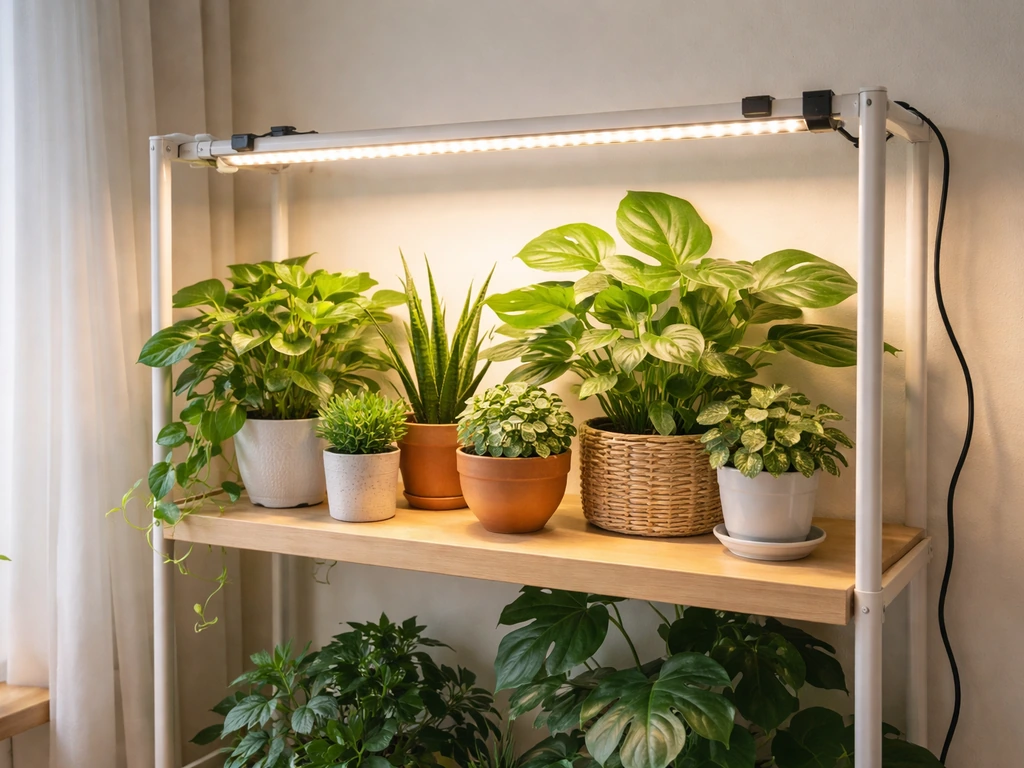
How to Use Grow Lights for Indoor Plants Step by Step
Step-by-step guide to set up and use grow lights indoors, including placement, timers, schedules, and safety tips.
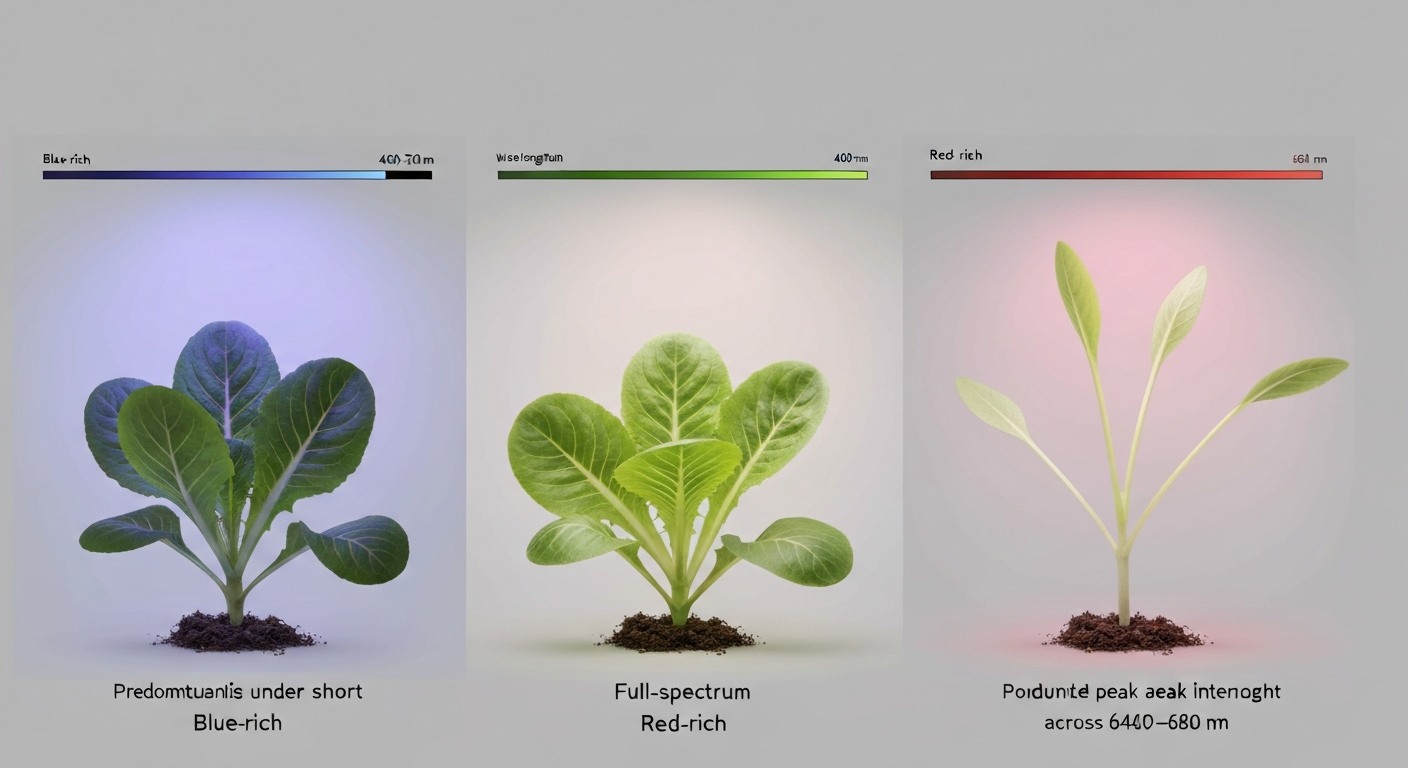
Why Do Plants Grow Best in Blue Light? Science & Practical Guide
Explore why blue light boosts vegetative growth, ideal blue:red ratios, PPFD, photoperiods, fixtures, and setup tips.
What Artificial Light Will Grow Plants: Best Lights Guide
What artificial light will grow plants: practical guide to LED, CFL, HID spectra, PPFD targets, setup, cost & tips.