Yes, indoor lighting can help plants grow, but whether it actually does depends entirely on the type of light you're using. Standard room lighting, like a ceiling fixture or a regular lamp, is almost never enough for most plants to thrive. It's too dim, usually the wrong spectrum, and spread too thin across a room. Purpose-built grow lights, especially modern LED grow lights, genuinely work and can make a dramatic difference, turning a dim apartment into a space where herbs, leafy greens, and even flowering plants produce the way they would near a sunny window.
Does Indoor Lighting Help Plants Grow? How to Set Up
Marcus Holloway
20 Jun 2026
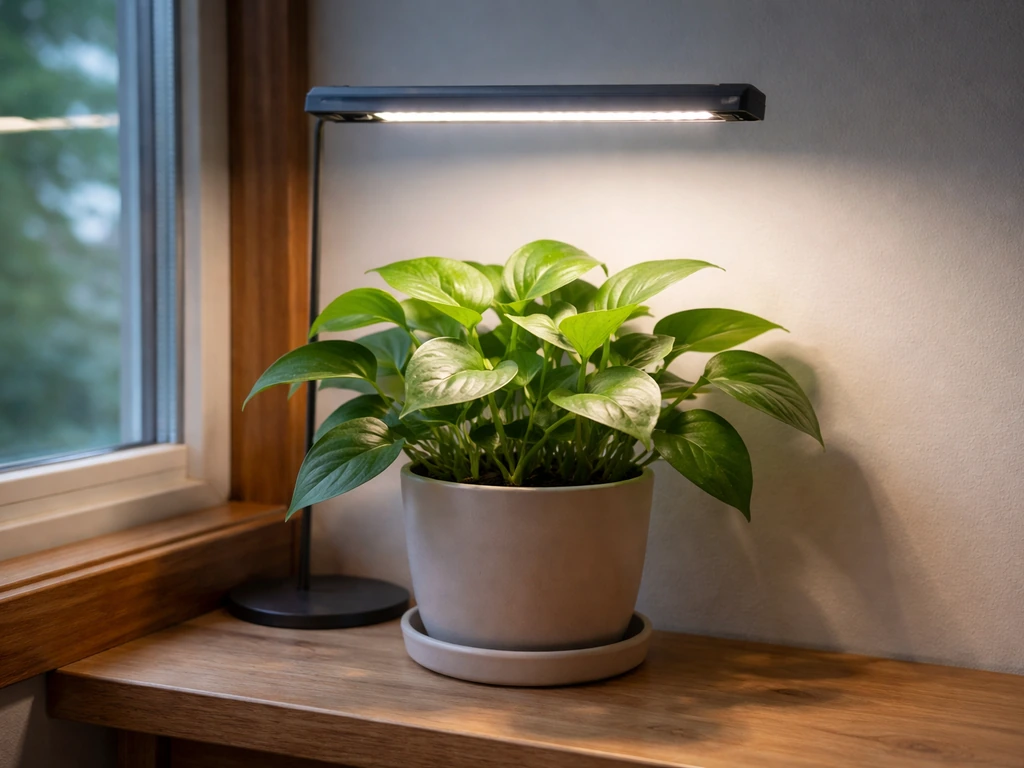
Why regular room light usually falls short
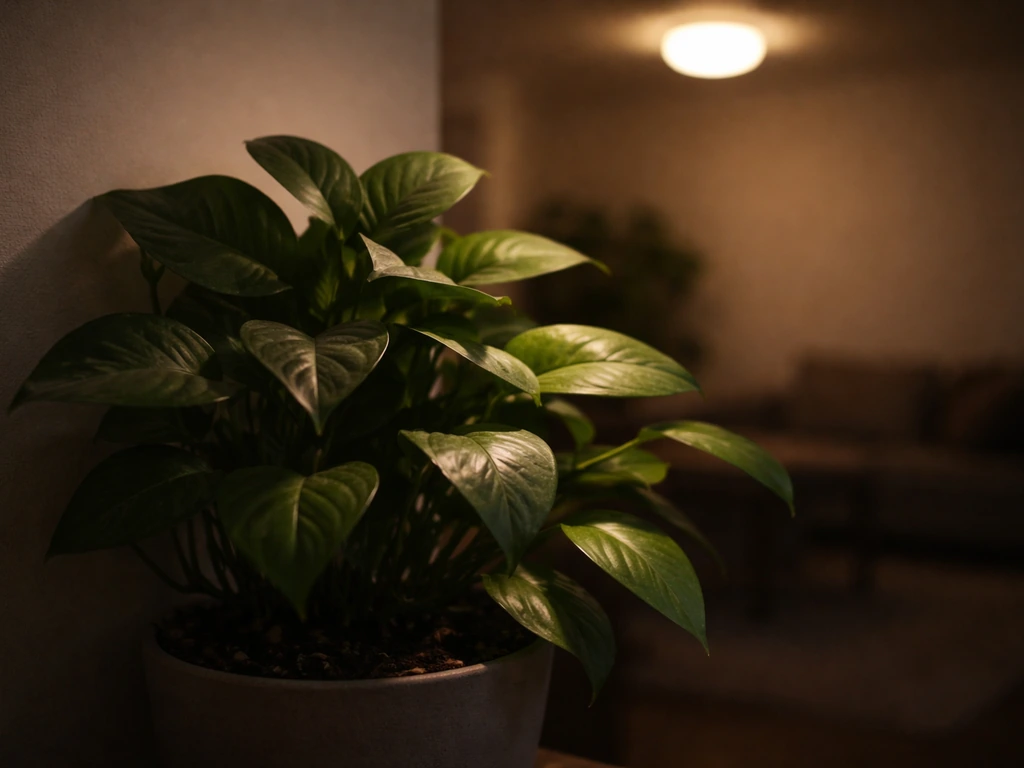
Most people assume that if their plant is sitting under a light, the plant is getting light. Technically true, but practically misleading. The light reaching your plant from a ceiling fixture is nowhere near what plants need to grow well. If you’re wondering whether you should buy one, a grow light can help when your room light is too weak or too inconsistent for your plant’s needs do my plants need a grow light. University of Maryland Extension points out that houseplants can start off healthy and then fail over time specifically because of inadequate light. What's happening is the plant slowly depletes its stored energy trying to survive on too little input.
The terms you see on plant labels, like 'low light,' 'medium light,' and 'bright indirect light,' are generalizations, not measurements. As UF/IFAS explains, the actual light reaching a plant varies with season, weather, window direction, and how far the plant sits from a light source. A plant described as 'low light tolerant' can survive in dim conditions, but surviving is not the same as thriving. For most plants you actually want to grow and not just keep alive, real brightness matters. If you want indoor plants to thrive, you generally need grow lights that deliver the right spectrum, enough intensity, and the right daily duration indoor lighting for plants.
What light plants actually need: spectrum, intensity, and duration
Plants don't respond to brightness the way our eyes do. They use specific wavelengths of light for photosynthesis, and the relevant range is 400 to 700 nanometers, called Photosynthetically Active Radiation (PAR). Within that range, blue light (roughly 400 to 500 nm) drives compact, leafy growth, while red light (roughly 600 to 700 nm) supports flowering and fruiting. Most grow lights target this full PAR range, while a regular warm-white LED bulb from the hardware store doesn't.
The intensity of that light is measured as PPFD, which stands for Photosynthetic Photon Flux Density. Think of it as the count of useful light particles hitting a square meter of leaf surface every second. Oklahoma State University Extension recommends a PPFD of 400 to 800 µmol·m⁻²·s⁻¹ for improved plant growth with LED grow lights. University of Maine Extension provides more specific ranges by plant type: herbs generally need about 100 to 500 µmol·m⁻²·s⁻¹, while succulents can do fine at 100 to 200 µmol·m⁻²·s⁻¹. For comparison, a typical room with decent natural light might only hit 50 to 100 µmol·m⁻²·s⁻¹ on a plant's surface, and that's on a good day.
Duration matters just as much as intensity. Plants need a consistent daily light period, called a photoperiod, to regulate their growth and flowering cycles. Most vegetative plants do well with 14 to 16 hours of light per day under artificial lighting. Flowering plants often need a shift to a 12-hour light cycle to trigger blooming. The total amount of light a plant receives across a full day is what drives real growth, which is why consistency and timing are so important.
Regular bulbs vs. grow lights: which one should you actually buy
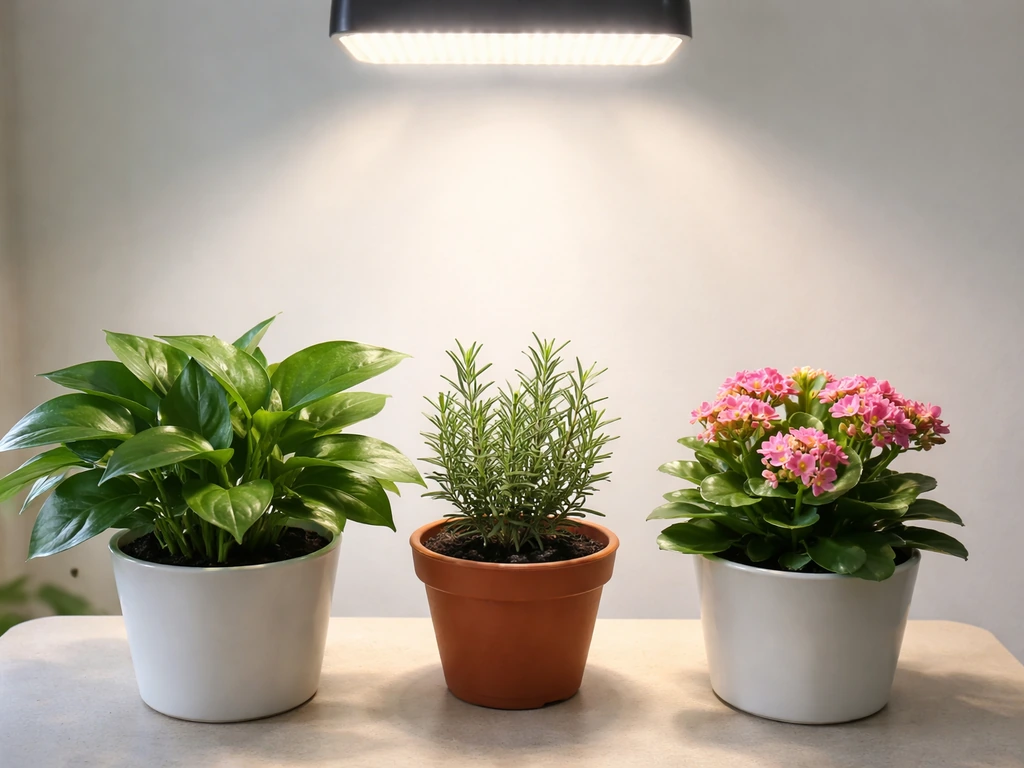
This is where a lot of people waste money. Standard LED bulbs, even bright ones marketed as daylight or full-spectrum, are not the same as horticultural grow lights. They're designed to make spaces look bright to human eyes, not to deliver the specific wavelength mix and PPFD that plants need. A peer-reviewed study found that polychromatic LED fixtures designed for plants provided sufficient light quality and intensity for plant growth while using less electricity than standard fluorescent lighting. That's the key difference: grow lights are engineered around plant biology, not human vision.
| Light Type | Spectrum Coverage | Typical PPFD Output | Best Use Case | Cost |
|---|---|---|---|---|
| Standard room LED | Tuned for human vision, limited PAR | Very low (often under 50 µmol·m⁻²·s⁻¹ at plant) | Ambiance, reading | Low |
| CFL / fluorescent grow bulb | Broader PAR coverage than room bulbs | Moderate (100–200 µmol·m⁻²·s⁻¹ close up) | Low-demand plants, seedlings | Low to moderate |
| LED grow light (panel/bar) | Full PAR, tunable blue/red/white spectrum | High (200–1000+ µmol·m⁻²·s⁻¹ depending on model) | Herbs, leafy greens, flowering, fruiting | Moderate to high |
| Metal halide / HPS | Broad spectrum, very high output | Very high | Large-scale indoor grows | High (heat + electricity) |
For most home gardeners and indoor plant enthusiasts, a quality LED grow light panel or bar is the clear recommendation. They run cool, use less electricity than older HID options, last tens of thousands of hours, and the technology has become affordable enough that you can get a solid unit for a small grow shelf for under $50. If you're only maintaining a few shade-tolerant houseplants near a decent window, you may not need a grow light at all. But if you're growing herbs in a dark kitchen, starting seeds indoors, or keeping high-light plants through winter, a purpose-built LED grow light is the right tool.
How to set up your grow light for actual results
Distance from the plant
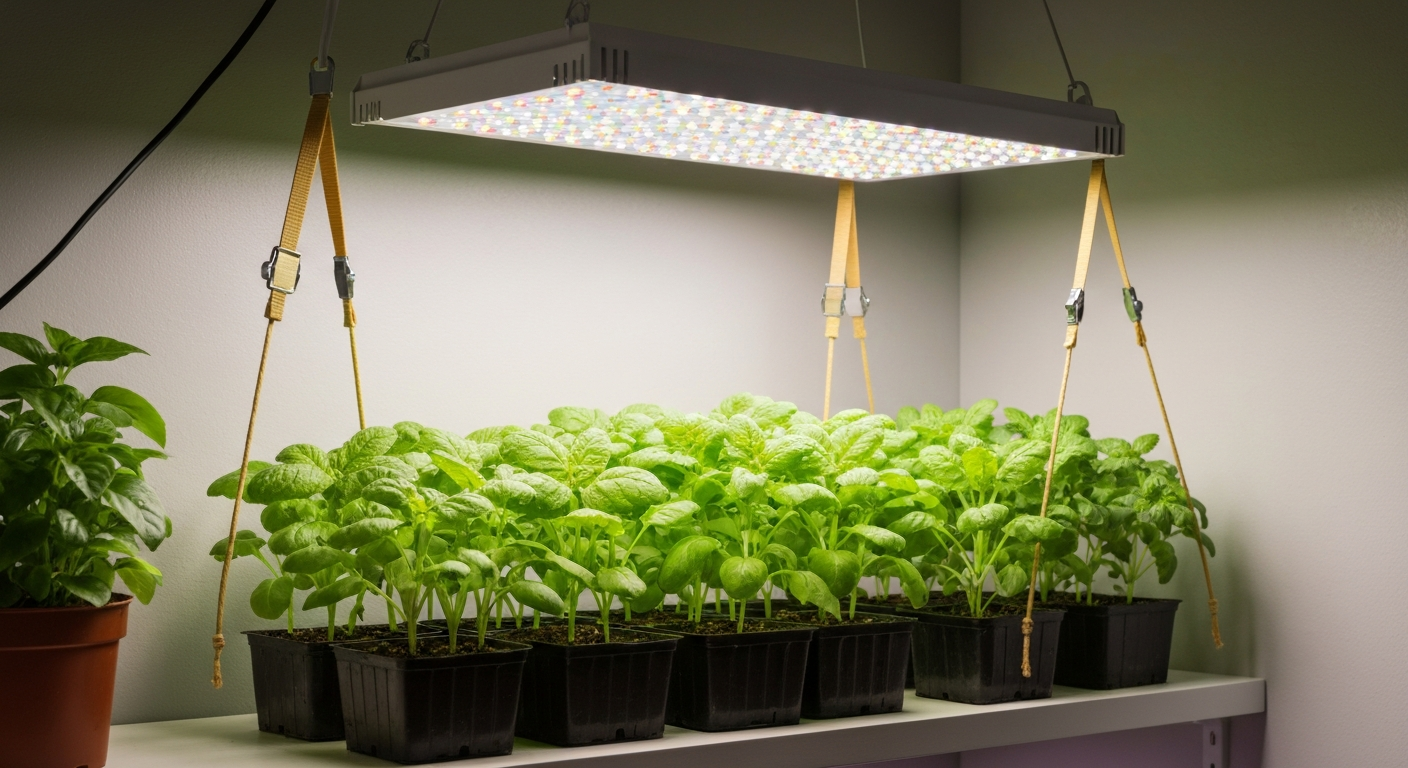
PPFD drops significantly as you move a light further away from your plants. University of Minnesota Extension specifically notes that light intensity falls with distance even from LED and fluorescent grow lights. Most LED grow light manufacturers recommend hanging their panels 12 to 24 inches above the plant canopy, but this varies by fixture output. High-powered lights need more distance to avoid burning leaves. A good starting point is 18 inches, then adjust based on what you see. If leaves nearest the light are curling, yellowing, or showing dry brown patches, move the light up. If plants are stretching toward it, move it closer.
Using a timer
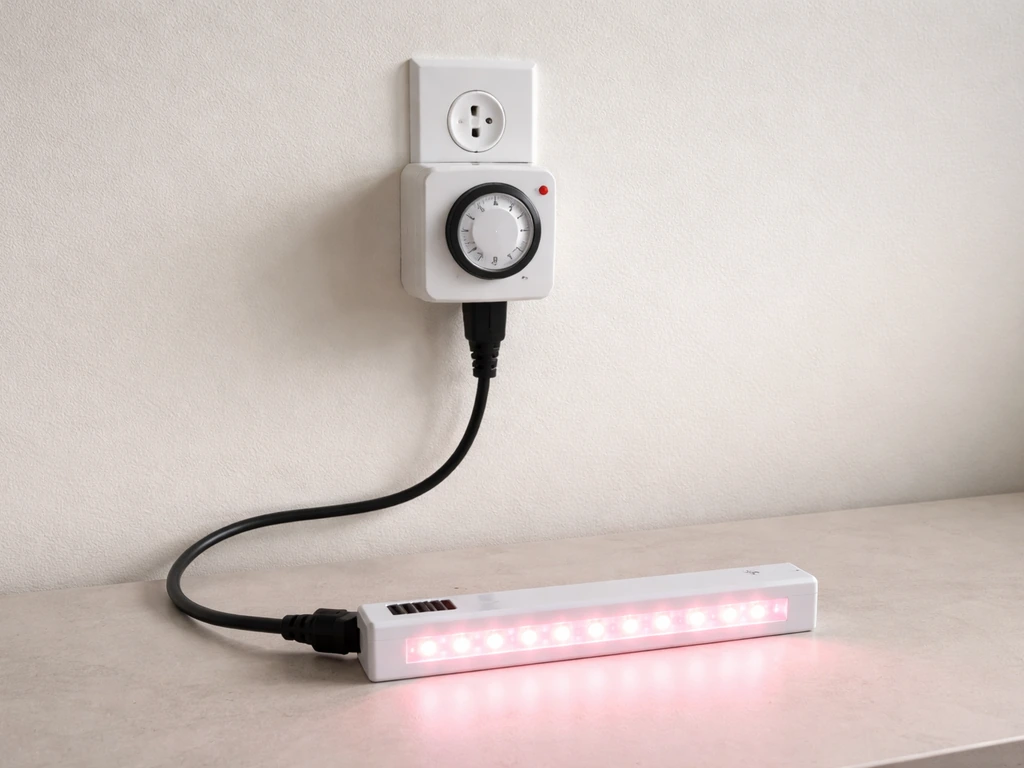
Don't try to manually turn your grow light on and off every day. A basic outlet timer costs less than $10 and will give your plants a consistent photoperiod far more reliably than you will. University of Minnesota Extension and University of Maine Extension both emphasize that total daily light exposure, not just the presence of light, is what drives plant growth. For most leafy plants and herbs, set the timer for 14 to 16 hours on and 8 to 10 hours of darkness. Flowering plants that need to bloom should get 12 hours of light and 12 hours of uninterrupted darkness.
Placement and coverage area
Oklahoma State University Extension points out that LED light placement depends on both the distance from the canopy and the spacing between multiple light units when covering a larger area. A single bar light or small panel works well for one to two shelves of plants. If you have a wider grow space, you need either a larger panel or multiple units. Avoid relying on one light to cover a wide area by placing it off to the side. Plants at the edges of the coverage zone will get significantly less PPFD than those directly below, leading to uneven growth.
What to expect by plant type
Grow lights don't work the same way for every plant, and setting realistic expectations saves a lot of frustration. Here's what you can generally expect once you have a proper setup running:
- Leafy greens (lettuce, spinach, kale): These respond fast. Under a decent LED grow light at 200 to 400 µmol·m⁻²·s⁻¹, you can go from seed to harvest in 4 to 6 weeks. They're the most forgiving and satisfying plants to start with under artificial light.
- Herbs (basil, mint, parsley, cilantro): Herbs need a bit more intensity, ideally 200 to 500 µmol·m⁻²·s⁻¹. Basil especially will get leggy and weak in dim light, but under a grow light it becomes bushy and productive. Expect visible improvement within two to three weeks.
- Succulents and cacti: These are actually tricky under grow lights because they naturally want lots of light but don't need watering often. They need 100 to 200 µmol·m⁻²·s⁻¹ at minimum and do fine with 14 to 16 hours of daily light, but overwatering is still the bigger risk. Don't expect dramatic growth since these plants are slow by nature.
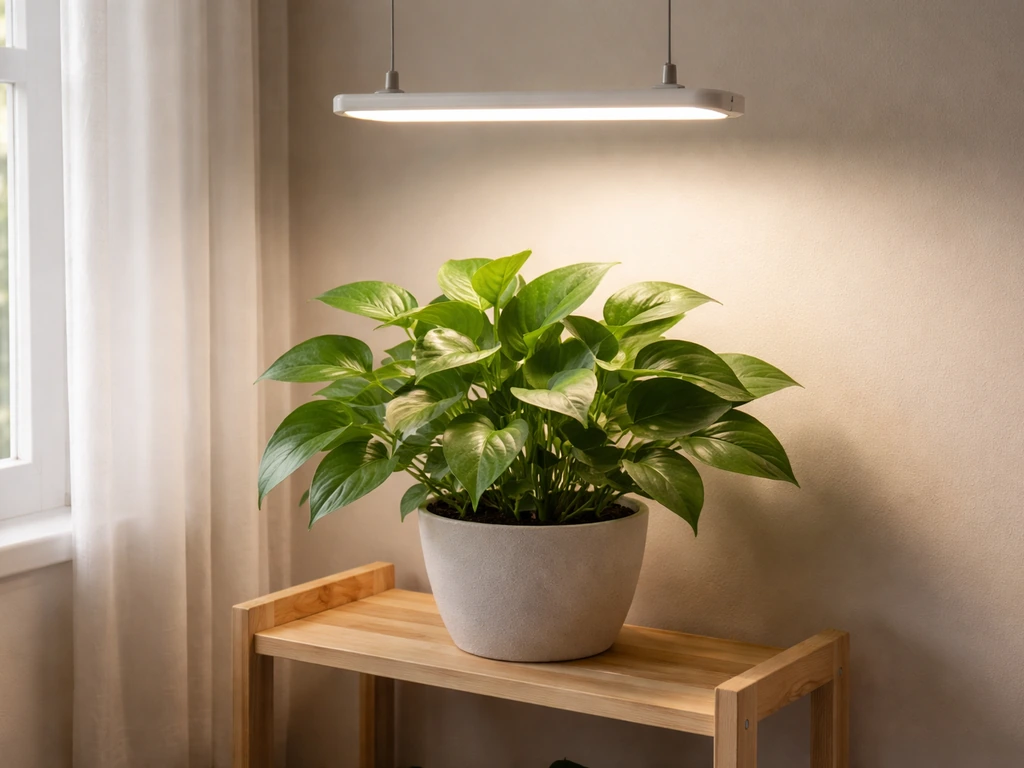
- Tropical foliage houseplants (pothos, philodendron, peace lily): Many of these tolerate lower light, so they'll do well even with a modest grow light setup. You'll see deeper green color, faster growth, and less leaf drop compared to a dark corner. These are good candidates for supplemental light rather than full artificial setups.
- Flowering plants (tomatoes, peppers, orchids): These are the most demanding. They need higher PPFD (often 400 to 800 µmol·m⁻²·s⁻¹) and specific photoperiod triggers to flower. You can start seedlings and grow strong vegetative plants under most decent LED grow lights, but triggering and sustaining flowering indoors requires more careful setup.
Why your plants still aren't improving (and how to fix it)
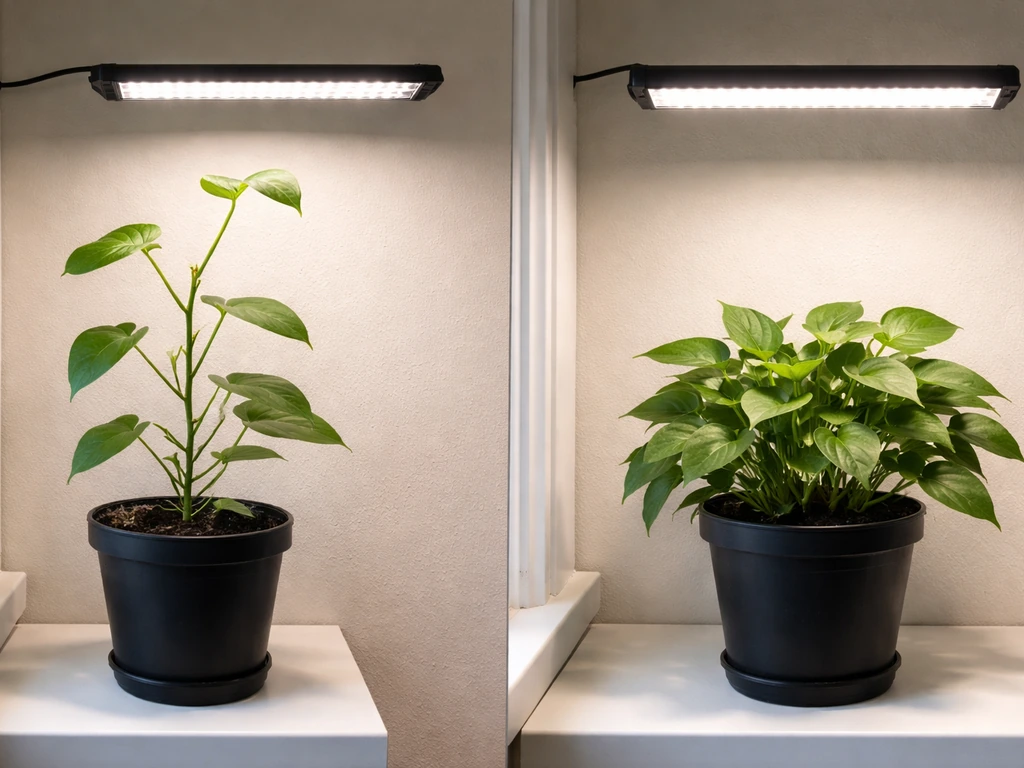
The most common complaint is 'I got a grow light and nothing changed.' Here are the problems I see most often, and what to do about each.
- Leggy, stretched growth: The light is too far away or too weak. When plants grow long gaps between leaf nodes, it's called etiolation, and it's the plant reaching toward more light. University of Minnesota Extension lists this as a clear sign of insufficient light intensity. Move your light closer or upgrade to a higher-output fixture.
- No visible growth improvement after 3 to 4 weeks: Check whether you're running the light long enough each day. If you're only giving plants 8 to 10 hours, try bumping to 14 to 16 hours with a timer. Also verify your light is actually a grow light and not a standard LED bulb relabeled as 'full spectrum.'
- Leaf burn or bleaching closest to the light: You're too close. Move the fixture up 4 to 6 inches and monitor over the following week. This is more common with high-powered LED panels set too close to small plants.
- Yellowing lower leaves with slow growth: This could be a light issue combined with overwatering or nutrient deficiency. Rule out root problems first, then reassess your light intensity and duration.
- Plants doing fine but not flowering: You probably need to shift to a 12/12 photoperiod (12 hours light, 12 hours dark) and make sure the dark period is truly dark. Even a small light leak can disrupt the flowering cycle in photoperiod-sensitive plants.
Safety, heat, and the cancer/tan myths
Let's clear up the fears that come up most often, because they're mostly based on misunderstandings about how grow lights actually work.
Will grow lights give you a tan or cause cancer?
No. Consumer grow lights, including LED grow lights, do not emit meaningful levels of UV radiation. The FDA notes that typical fluorescent lamps, including CFLs, emit very low levels of UV, and modern LED grow lights emit even less. Tanning requires UV-B radiation, and plant growth happens primarily in the visible light spectrum (400 to 700 nm). The grow light sitting over your herb shelf is not a tanning bed, and casual exposure while tending your plants is not a health risk.
What about eye safety?
This one deserves more attention than the cancer fear. Modern LED grow lights can be very bright, and some emit a strong blue-light component. blank" rel="noopener noreferrer">Photobiological safety standards like IEC 62471 classify lamps and luminaires into risk groups based on factors including blue-light hazard to the retina. Most consumer grow lights fall into low or moderate risk groups, but staring directly at a bright LED grow light for extended periods is still not a good idea. Don't look directly into the diodes for more than a moment, and if you're working under high-powered lights for extended periods, a pair of basic grow-light glasses (which filter the intense light) is a smart and inexpensive purchase.
Heat and electrical safety
LED grow lights run much cooler than older metal halide or high-pressure sodium fixtures, but they still generate some heat. Make sure your fixture has adequate ventilation and isn't enclosed in a tight space without airflow. Don't use extension cords or power strips that aren't rated for continuous use, since grow lights often run 14 to 16 hours a day. Use a quality timer rated for the wattage of your light, and check the cord and connections occasionally if you're running lights long-term. None of this is complicated or scary; it's the same common-sense electrical awareness you'd apply to any appliance running most of the day.
Your practical next steps
If you're trying to figure out whether you need a grow light at all, start by honestly evaluating your space. How many hours of direct or bright indirect natural light do your plants actually get each day? If the answer is less than four to six hours for most of the year, a grow light will make a real difference. If you're already asking whether grow lights work for indoor plants or what type of light plants need indoors, the answer is almost always yes, they work, and the type matters a lot.
Pick a purpose-built LED grow light sized for your space, hang it 12 to 18 inches above your plant canopy, plug it into a timer set for 14 to 16 hours daily, and give it three to four weeks before judging results. Adjust distance based on plant response. Start with leafy greens or herbs if you want fast, satisfying feedback. That's genuinely all it takes to get meaningful results from indoor lighting for plants.
FAQ
Can I use a normal desk lamp or a bright “daylight” LED bulb instead of a grow light?
Sometimes it helps, but it rarely performs like a true grow light because the bulb’s spectrum and the PPFD at leaf level are usually too low. If you try it anyway, place the light close enough to avoid dim coverage (often closer than you would with a grow bar) and measure results by growth, not by how bright it looks in the room.
How close should a grow light be if I’m trying to avoid leaf burn?
A safer starting point is around 18 inches above the plant canopy, then adjust. If you see bleaching, dry brown patches, or leaves tacoing upward, move it farther away. If plants stretch or stay pale, move it closer. Continue adjusting in small steps rather than big changes day to day.
Do plants need darkness, or is it okay to leave indoor lights on all night?
Darkness matters because plants use it to regulate normal growth cycles. For most leafy plants, use a timer for about 14 to 16 hours on and 8 to 10 hours off. Flowering types typically need an uninterrupted 12 hours dark to support blooming and proper photoperiod response.
What’s the difference between “full spectrum” and “actual grow light” performance?
“Full spectrum” usually refers to how the lamp looks or what wavelengths it claims, not whether it delivers enough PPFD at the leaf surface. True grow lights are engineered to provide the biologically useful PAR intensity and distribution. If you cannot find PPFD, PAR output, or a comparable specification, assume performance is unpredictable.
How do I know if my plants are getting enough light without buying sensors?
Look for reliable growth signs: minimal stretching, compact new growth, and consistent leaf color. Stretching, long gaps between leaves, leaning toward the light, or dull, pale growth are common signals of insufficient intensity or distance. Also check consistency, if the light schedule varies daily, plants often stall even if the bulb is bright.
Is it better to use one strong light or multiple smaller lights?
For even growth, multiple smaller or a larger panel is usually better than one light placed off to the side. Coverage matters because PPFD drops with distance and the edges of the coverage zone can become dim, causing uneven growth and delayed growth on the far plants.
My plants grew for a few weeks and then slowed down. Why does that happen?
Common causes are light schedule drift, light positioned too far as plants grow (so PPFD falls), or changes in intensity from heat or fixture placement. Also confirm you are not using the “wrong” plant for your lighting level. Many plants survive in low light but gradually lose vigor when input stays too low for sustained growth.
Do indoor grow lights help with flowering for all plants?
They can, but only if the plant’s photoperiod needs are met and the light intensity is high enough for that species. Blooming plants generally need a strict dark period to trigger flowering. Some plants also require seasonal-like cues beyond light duration, so results vary by species.
Will grow lights cause my electricity bill to spike?
They can add cost, but LEDs are typically far more efficient than older technologies. To estimate, multiply the fixture wattage by the hours per day from your timer (for example, 14 to 16 hours daily) and then apply your local electricity rate. If cost is a concern, reduce run time to the minimum your plant needs rather than running longer “just in case.”
Are grow lights safe for eyes and skin? Should I wear protection?
Most consumer LEDs are not harmful like a tanning bed, but staring directly at a bright LED for extended periods is still not recommended. If you frequently work under high-output fixtures at close range, basic protective eyewear designed for grow lights can reduce glare and blue-light exposure while you tend plants.
Can I use an extension cord, power strip, or cheap timer with a grow light?
Use caution. Only use extension cords and power strips that are rated for continuous use at the load you are running, and use a timer rated for the grow light’s wattage. Since many setups run 14 to 16 hours daily, under-rated accessories are a common failure point.
Do grow lights create heat problems in small rooms?
They can, even though LEDs usually run cooler than older HID fixtures. Make sure the fixture has ventilation and is not trapped in a tight, airtight enclosure. If the air around your plants is getting too warm, you may need improved airflow or slight adjustments to height and schedule.
Next Articles
Do I Need Grow Lights for Indoor Plants? A Quick Guide
Get a fast decision guide on whether indoor plants need grow lights, plus setup, safety, and choosing the right type.
Do Grow Lights Work for Indoor Plants? How to Know and Set Up
Yes, grow lights can power indoor photosynthesis. Learn how to choose, set distance and schedule, and troubleshoot resul
What Artificial Light Will Grow Plants: Best Lights Guide
What artificial light will grow plants: practical guide to LED, CFL, HID spectra, PPFD targets, setup, cost & tips.