Most plant grow lights can give you a small mood boost compared to sitting in a dim room, but they are not a reliable substitute for clinical SAD light therapy. If your goal is specifically to grow plants, make sure the light you use is suitable for plant needs and that the lux and timing work for human SAD effects too. Room lights can be a nice source of ambient light, but they usually do not provide the brightness and timing used in light therapy for seasonal affective disorder do room lights help plants grow. The core issue is brightness and spectrum: effective SAD treatment requires 10,000 lux hitting your eyes from a UV-free, white-light source for 20 to 45 minutes every morning. Most grow lights either fall short on lux at a comfortable sitting distance, use a red/blue spectrum that is wrong for your circadian system, or both. That said, if you have a high-output full-spectrum grow light and nothing else on hand, using it carefully is worth trying while you sort out a better long-term setup.
Do Grow Lights Help with Seasonal Depression (SAD)?
How light actually affects your mood
Your brain has a separate set of light-sensitive cells in your eyes called intrinsically photosensitive retinal ganglion cells (ipRGCs). These do not help you see. Their whole job is to tell your brain what time it is and how bright the environment is. When light levels drop in winter, these cells send weaker signals, which can throw off your circadian rhythm, suppress melatonin clearance in the morning, and reduce serotonin activity. For people with seasonal affective disorder, this cascade produces real depressive symptoms: low energy, increased sleep, carbohydrate cravings, and low mood from roughly October through March.
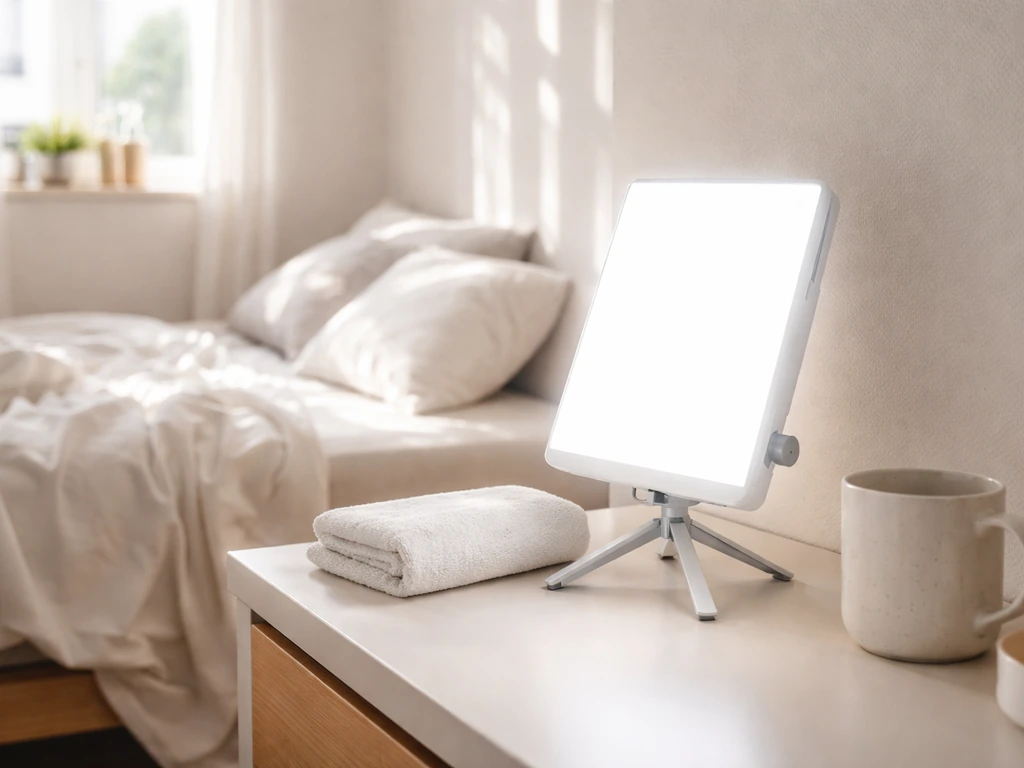
Light therapy works by delivering a strong, timed pulse of bright light to those eye cells first thing in the morning, essentially tricking your brain into thinking it got a summer sunrise. The word 'effective' here means clinically meaningful: large enough randomized trials have shown that consistent morning bright-light exposure reduces SAD symptoms significantly, often within one to two weeks. The key variables are brightness (lux at the eye), spectrum (the cells are most sensitive to blue-white light around 480 nm), and timing (within the first hour of waking, every day). The American Family Physician clinical summary similarly notes that guidelines typically use about 2,500 to 10,000 lux for 30 to 60 minutes at the same time every day, shortly after waking.
Grow lights vs. SAD lightboxes: what's actually different
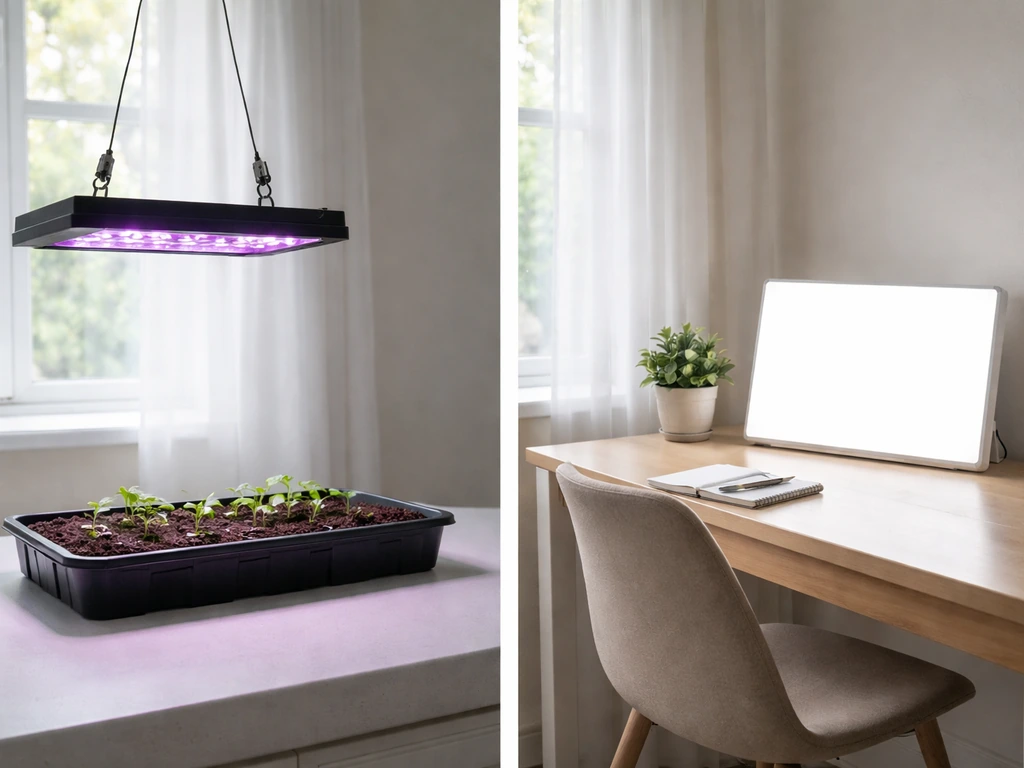
This is where grow lights run into trouble for human use. Plants and people need light for completely different reasons, so grow lights are engineered for completely different goals. If you are mainly asking whether Christmas lights can help plants grow, remember that they are designed for decoration and may not deliver enough usable light for reliable plant growth can christmas lights help plants grow.
| Feature | Typical Plant Grow Light | Medical SAD Lightbox |
|---|---|---|
| Primary spectrum | Red (620–700 nm) + blue (450–470 nm) peaks, or 'blurple' | Broad white light, strongest in blue-white range (~480 nm) |
| Brightness at use distance | Varies widely; often 500–5,000 lux at 12–24 inches for plants, not calibrated for eye-level lux | Designed to deliver 10,000 lux at 12–18 inches from the face |
| UV output | Most LEDs are UV-free, but some HID/T5 grow lights emit UV | Specifically filtered to be UV-free |
| Flicker | Cheaper models may flicker at 50–60 Hz, causing eye strain and headaches | Quality SAD boxes use flicker-free electronics |
| Intended direction | Pointed downward at plants | Designed to sit at eye level or slightly above |
| Cost | $20–$200+ for plant use | $40–$150 for a quality SAD lightbox |
The spectrum gap is the biggest problem with red/blue 'blurple' grow lights. Your ipRGC cells barely respond to red light. A blurple light can look intensely bright visually but deliver almost no circadian stimulus. Full-spectrum white LED grow lights are much closer to what you need, but even these are rarely calibrated to produce 10,000 lux at a face-level distance while you sit comfortably nearby. A light positioned to grow tomatoes on a shelf is pointed down and optimized for PPFD (photosynthetic photon flux density), a plant-specific metric that does not translate directly to lux for human therapy.
How to try it today if grow lights are what you have
If you have a full-spectrum white grow light (not a blurple red/blue one) and want to experiment while you order a proper SAD lamp, here is the most practical setup to get something out of it:
- Use a full-spectrum white LED grow light only. If your grow light is predominantly red and blue (purple-pink glow), it will not work well for mood. Set it aside for this purpose.
- Position it at eye level or slightly above, not pointed down at a plant shelf. You want the light angled toward your face, not the top of your head.
- Sit about 12 to 18 inches away. This is the standard clinical positioning distance. Any further and your lux exposure drops sharply.
- Use it within the first hour of waking, every morning. Timing matters as much as brightness. Evening use can delay your sleep and make things worse.
- Run it for 30 to 45 minutes. Spend the time eating breakfast, reading, or working. You do not need to stare at it, just have it in your peripheral field.
- Do this every day from fall through early spring, not just occasionally. Consistency is what drives the circadian reset.
You can roughly check if your grow light is bright enough by downloading a free lux meter app on your phone (search 'lux meter' in your app store). These are not lab-grade accurate, but they will tell you if you are in the right ballpark. You want to see at least 5,000 to 10,000 lux on your phone screen held at face level at your sitting distance. If you are getting 1,000 to 2,000 lux, the light is too dim or too far away to be therapeutically meaningful.
Safety: eyes, headaches, and who should be careful
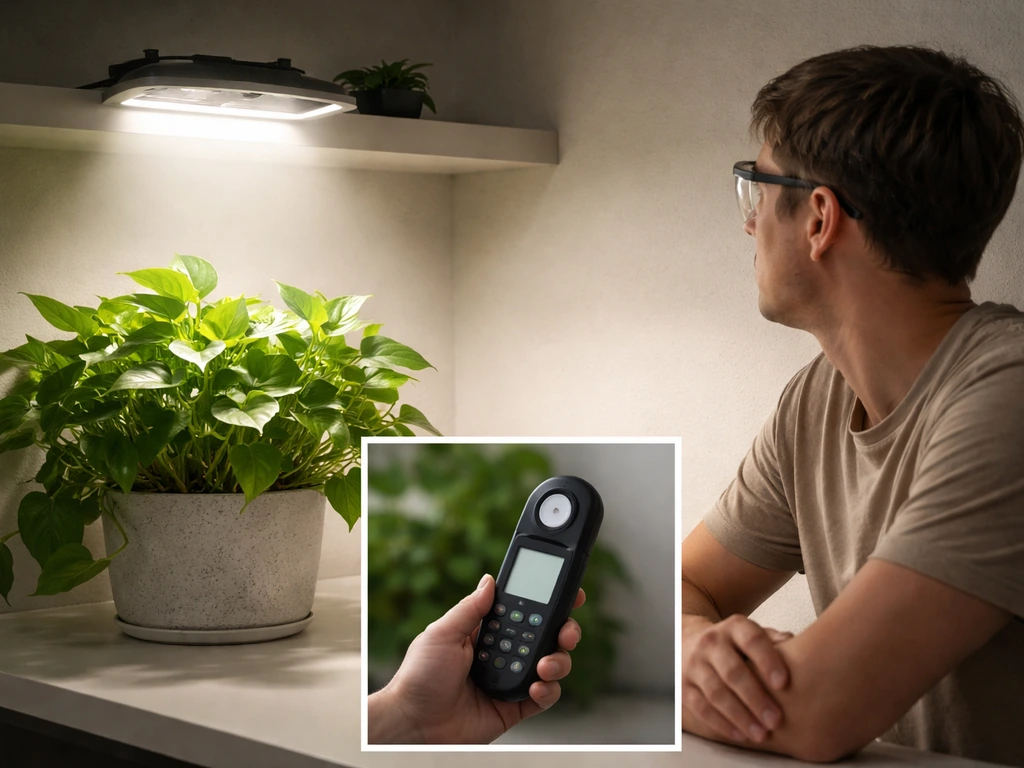
The most common concern people have about bright light near their face is eye damage. The good news is that modern LED grow lights do not emit the UV or infrared levels that cause eye damage during short, casual exposure. You should not stare directly into any LED panel, but sitting near a bright light while going about your morning routine is safe for most people. That said, there are real side effects and contraindications to know:
- Headaches and eyestrain: These are the most common side effects, especially in the first few days. They are usually mild and go away. If they persist, reduce your session to 15 minutes and gradually increase, or move slightly further from the light.
- Sleep disruption: Using bright light in the evening or late morning can push your sleep phase later, making insomnia worse. Morning-only use is non-negotiable.
- Hypomania or mania risk: If you have bipolar disorder, bright light therapy can trigger hypomanic or manic episodes. Do not use light therapy for SAD without talking to your doctor first if you have a bipolar diagnosis.
- Medication interactions: Some medications (certain antibiotics, antipsychotics, and St. John's Wort) increase light sensitivity. Check with your pharmacist if you are on regular medications.
- Eye conditions: If you have a history of retinal disease, macular degeneration, or have had recent eye surgery, get medical clearance before using bright light therapy.
- Flicker from cheap grow lights: Low-quality grow light drivers can flicker at mains frequency (50–60 Hz), which is imperceptible visually but can trigger headaches and eye fatigue over 30-minute sessions. If you notice headaches consistently, flicker may be the culprit. A dedicated SAD lamp is built to avoid this.
One misconception worth clearing up: grow lights will not give you a tan or increase your skin cancer risk during a 30-minute morning session. Almost all modern LED grow lights produce no significant UV output. Similarly, sitting near a grow light will not cause cancer through any known mechanism. The light intensities used in therapy are bright but not ionizing radiation.
What results to expect, and how to know if it's working
If your setup is actually reaching 10,000 lux (or close to it) and you are using it consistently at the right time, research suggests most people with winter-pattern SAD notice meaningful improvement within one to two weeks. You are looking for: waking up feeling more alert, less morning grogginess, more energy during the day, and gradually improving mood over 10 to 14 days of daily use. Do not expect a dramatic overnight change on day one.
If you have been using a full-spectrum grow light at close range every morning for two weeks and notice no change at all, one of a few things is likely: the light is not bright enough at your sitting distance, the spectrum is wrong (blurple), you are using it too late in the day, or your symptoms are not primarily seasonal or light-driven. Track your mood with a simple daily note (1 to 10 rating) so you have actual data rather than vague impressions. If there is no trend upward after two weeks of consistent use, that is useful information.
When to get a real SAD lamp, and when to get actual help
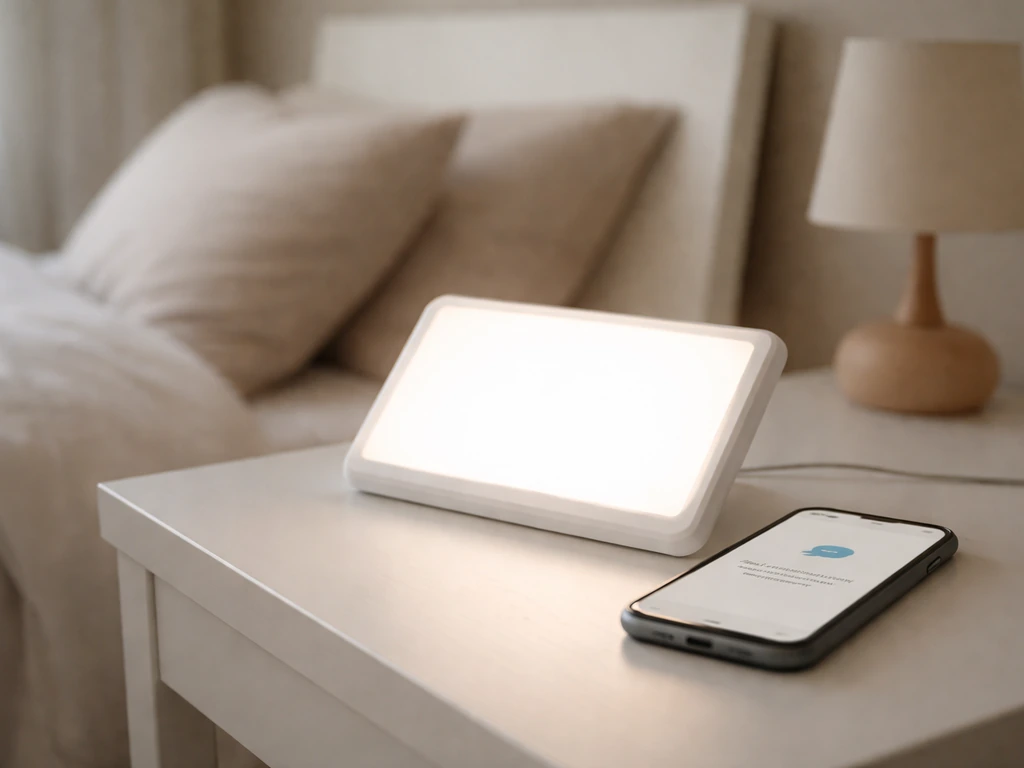
Honestly, if you are dealing with real seasonal depression, a dedicated SAD lightbox is worth buying. A good one costs between $40 and $150, is specifically designed to deliver 10,000 lux at the right distance, is UV-filtered, and has flicker-free electronics. Both the NHS and the Mayo Clinic recommend 10,000 lux devices, and the NIMH describes this as the standard for home light therapy. A plant grow light is a reasonable experiment in a pinch, but it is not the right tool for the job unless it happens to be a high-output full-spectrum model and you have confirmed the lux output is adequate. Grow lights can house plants, but that does not automatically mean they will work well for seasonal affective disorder light therapy can house lights grow plants.
On that note, the relationship between grow lights and SAD lamps goes both ways. A dedicated SAD lightbox is calibrated for human eyes and is the more dependable option if your symptoms are truly seasonal. Some people also wonder whether a SAD lamp (or happy light) could substitute for a plant grow light. Some people also wonder whether a SAD lamp (or happy light) could substitute for a plant grow light. SAD lamps are designed to help with seasonal affective disorder, so they are not a substitute for plant-focused grow light requirements substitute for a plant grow light. The answer there is also mostly no: SAD lamps are calibrated for human eyes, not plant photosynthesis, and they typically lack the red wavelengths plants need most. The two tools overlap a little but are designed for different jobs.
Light therapy of any kind is a supplement, not a cure. The NIMH, AAFP, and Mayo Clinic all recommend discussing light therapy with a healthcare provider, particularly if symptoms are severe, you have other mental health conditions, or you are on medications. If your seasonal depression is significantly affecting your functioning (work, relationships, daily tasks) or if you have thoughts of self-harm, please talk to a doctor rather than trying to manage it with lighting alone. Light therapy works best as part of a broader plan that may include therapy, medication, or both. A grow light set up on your kitchen table is a reasonable first step for mild symptoms, but it is not a substitute for professional support when you genuinely need it.
The bottom line: grow lights, SAD lamps, and what to actually do
Use a full-spectrum white grow light at 12 to 18 inches, within the first hour of waking, for 30 to 45 minutes daily, and verify the lux output is in the 5,000 to 10,000 range if you can. That is your best-case grow light setup. But if you can spend $50 to $100 on a purpose-built SAD lightbox, do that instead. It will be more reliable, safer for your eyes over repeated daily use, and designed to hit the brightness and spectrum your circadian system actually responds to. Either way, start the habit before symptoms peak in early winter, stay consistent, and track whether it is making a difference.
FAQ
How can I tell if my grow light is close enough to work for SAD, not just for plants?
It depends on whether your main goal is “bright enough for your eyes at the right time.” A grow light can help only if it delivers roughly 10,000 lux (or at least several thousand) at face level, uses a blue white rich spectrum, and is used immediately after waking. If it is optimized for plants (PPFD, downfacing beam, shelf height), it usually will not hit the lux target where your eyes are.
Is a higher-watt grow light more likely to help SAD?
Do not assume the light’s power rating (watts) equals therapeutic brightness. For SAD, what matters is lux at your eyes during the session, plus timing. In practice, you can be using a high-watt grow bulb that is simply too far away or angled wrong to reach the needed lux at face level.
If morning is hard, can I use a grow light in the evening for SAD?
Yes, but only if you keep the same morning timing and brightness. Using it late in the day can shift your circadian rhythm the wrong direction, which may worsen sleep and energy even if you see some initial mood lift.
How strictly do I need to follow the timing (morning window) to see benefits?
For most people, covering the “first hour after waking” matters more than the exact minute. That said, being inconsistent, skipping days, or switching to random times usually reduces the chance of improvement. Aim for daily use and keep the session length steady (often 30 to 45 minutes) while you evaluate results.
Do I need to look into the light, or can I sit near it while doing normal morning activities?
Do not stare directly into the LEDs, but you also do not need to keep your eyes closed. A practical approach is to place the light so it shines toward you at face level while you do something ordinary (breakfast, reading). The key is that your eye cells receive enough light dose.
Are there anyone-specific safety concerns with bright light for SAD?
If you have a history of bipolar disorder or you are prone to mania, bright light therapy can potentially trigger mood switching in some people. This is one reason healthcare guidance is important before trying light-based interventions, whether it is a SAD lamp or a grow light.
What should I do if I get side effects from using a grow light near my face?
If you are already taking medications that affect light sensitivity (some antibiotics, acne meds, or other agents) or you notice unusual side effects like eye pain, headache, or agitation, stop and get advice. Grow lights are not typically standardized for human eye comfort day after day the way SAD devices are.
How reliable are phone lux meter apps for deciding whether my grow light is bright enough?
Lux meter apps can be useful for a rough sanity check, but they can be inaccurate depending on the phone sensor and the light spectrum. Use them to decide whether you are in the ballpark, then rely on your own tracked response over 10 to 14 days rather than expecting perfect readings.
What are the most common reasons someone gets zero benefit after trying a grow light for two weeks?
If you see no trend after two weeks, first verify the “delivered dose” (lux at your face level) and timing (within an hour of waking). If those check out, consider that your symptoms might be driven by more than light exposure (stress, sleep schedule, depression type). At that point, a purpose-built SAD lightbox is more likely to match the needed parameters.
Should I switch to a SAD lightbox if my grow light seems too dim or hard to position?
A plant grow light is still potentially helpful as an experiment, but it is rarely the most efficient option if you truly have SAD. A dedicated SAD lightbox is engineered to deliver the correct lux at the correct distance with human-focused design choices like UV filtering and stable output.
Does small setup variation, like changing distance or angle, affect results?
Yes. Another practical method is to start the session with eyes open during your morning routine and keep the same setup daily (distance and angle). If your arrangement changes, your dose changes, making it harder to judge whether it is helping.
When should light therapy be paired with professional help instead of trying it on your own?
Treat it as a supplemental tool, not a stand-alone fix. If symptoms are severe, worsening, or include thoughts of self-harm, lighting adjustments are not a substitute for urgent professional care.
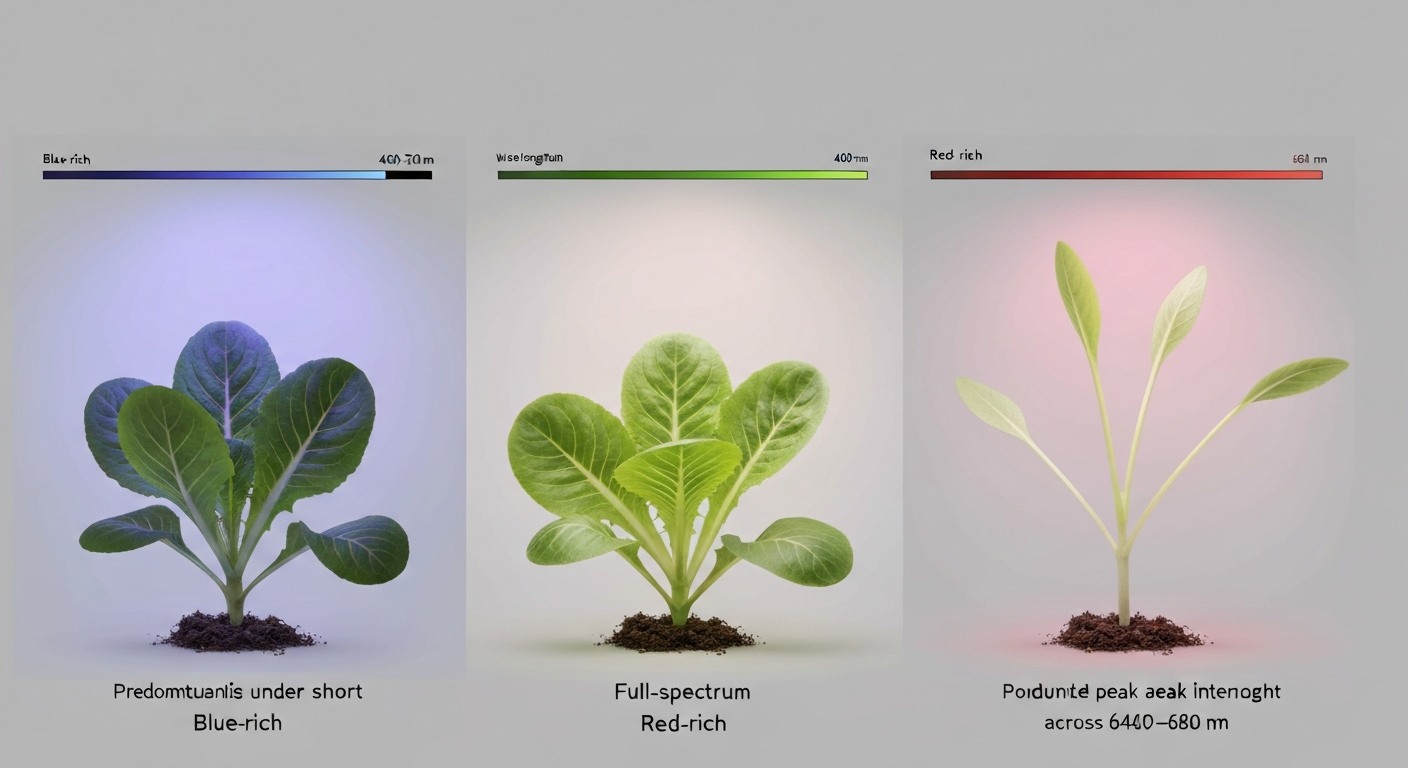
Explore why blue light boosts vegetative growth, ideal blue:red ratios, PPFD, photoperiods, fixtures, and setup tips.
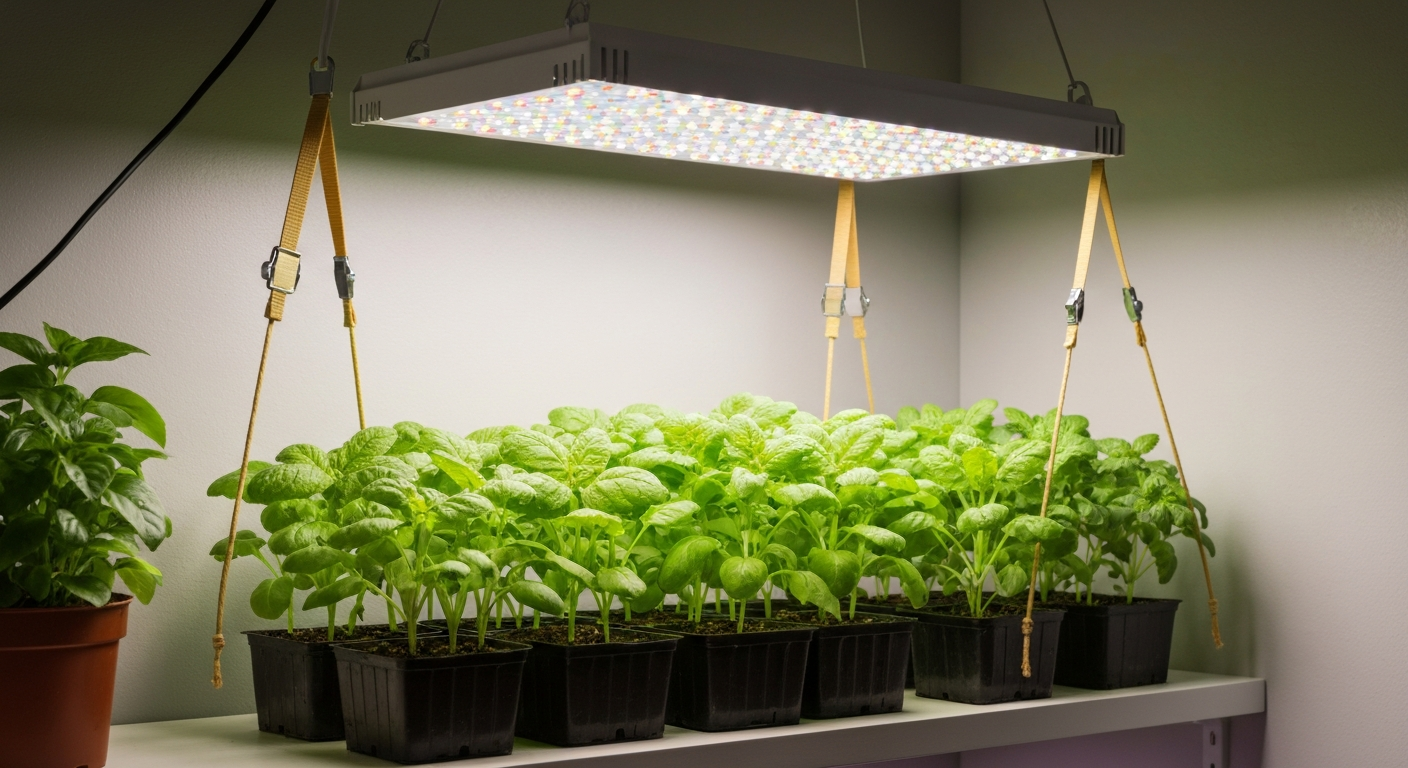
What artificial light will grow plants: practical guide to LED, CFL, HID spectra, PPFD targets, setup, cost & tips.
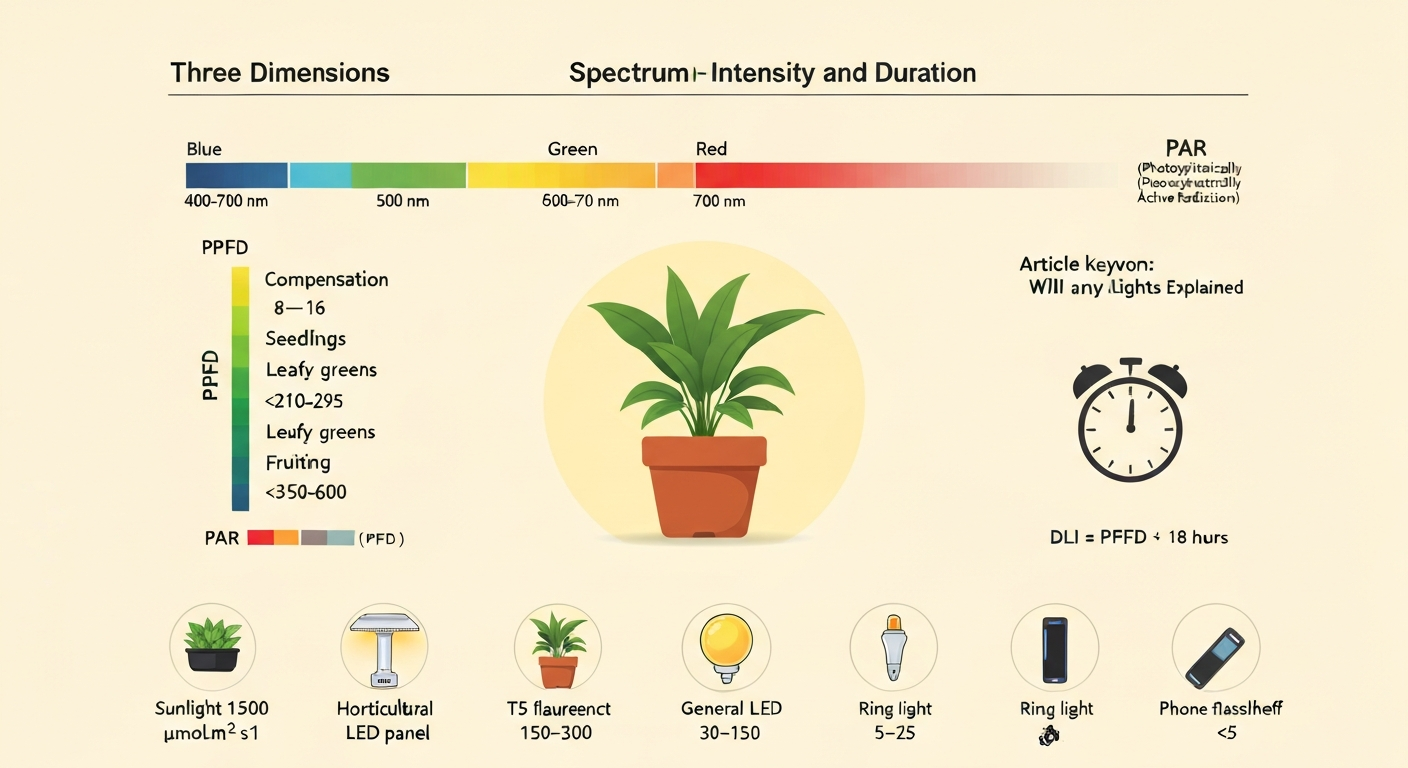
Can any light grow plants? Clear yes/no, science-backed light specs, setup tips, and which household lights work.