Grow lights are not always necessary, but they become essential the moment your plants are not getting enough natural light to grow well. For most homes with limited south-facing windows, or for anyone starting seeds indoors between October and March, grow lights make the difference between healthy plants and spindly, pale ones that barely survive. If your plants are stretching toward the window, dropping leaves, or just sitting there looking sad, that is your sign. If you have a sunny south-facing window and you are growing low-light houseplants, you can probably skip them entirely.
Are Grow Lights Necessary? How to Decide and Set Up
Marcus Holloway
8 Jul 2026
How to figure out how much natural light you actually have
Most people overestimate how much light gets into their home. A window that looks bright to your eyes might be delivering far less photosynthetically useful energy than your plants need. The reason is that human vision and plant photosynthesis measure light differently. We perceive brightness in lux or lumens, but plants respond to photosynthetically active radiation, measured as PPFD (micromoles of photons per square meter per second). A warm, yellowish reading lamp might look plenty bright to you but deliver almost nothing useful to a tomato seedling.
The practical way to check your light is to observe your plants and, if you want hard numbers, use a PAR meter or a smartphone app like Photone to measure PPFD at plant height. Photone’s grow light meter measures PPFD at plant height and can be used to calculate DLI from that measured PPFD. As a rough guide, seedlings need PPFD in the range of 100 to 500 depending on growth stage, while flowering and fruiting plants can need 400 to 1,200. A north-facing window in winter might deliver 50 PPFD or less on a cloudy day. Even a good south-facing window in summer rarely sustains 400 PPFD more than a few hours a day once you factor in glass, distance from the pane, and seasonal sun angle.
Window direction is your first clue. South-facing windows get the most light in the Northern Hemisphere. East and west windows get moderate morning or afternoon sun. North-facing windows are low light pretty much year-round. Distance from the window matters a lot too: a plant sitting right on a south windowsill gets dramatically more light than one sitting three feet back on a shelf. And in winter, the sun is lower in the sky and the days are shorter, so even a great south window delivers a fraction of the summer DLI (daily light integral, which is just the total light dose over a full day).
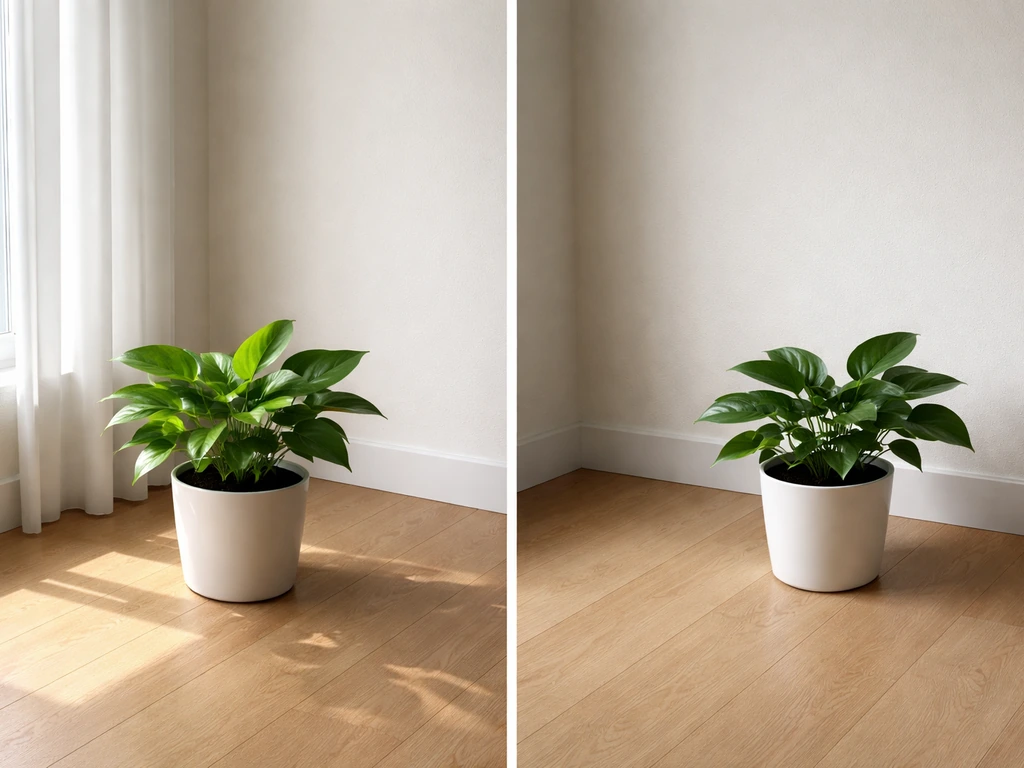
The diagnostic indicators are actually pretty clear once you know what to look for. Plants not getting enough light will show pale or yellowing foliage, stems that stretch and lean toward the light source, small new leaves, and in flowering plants, a complete failure to form buds. If you see stretching or pale yellowing that means the plant needs more photons, and that is usually when you ask, do you need grow lights to start seeds? If you are seeing these signs, no amount of fertilizer or watering adjustment will fix it. The plant needs more photons.
When grow lights become necessary
There are specific situations where grow lights go from optional to genuinely necessary. There are specific situations where grow lights go from optional to genuinely necessary, and the same logic helps answer do microgreens need grow lights when your window light is too weak. Here is how to think about it by plant type and season.
Starting seeds indoors
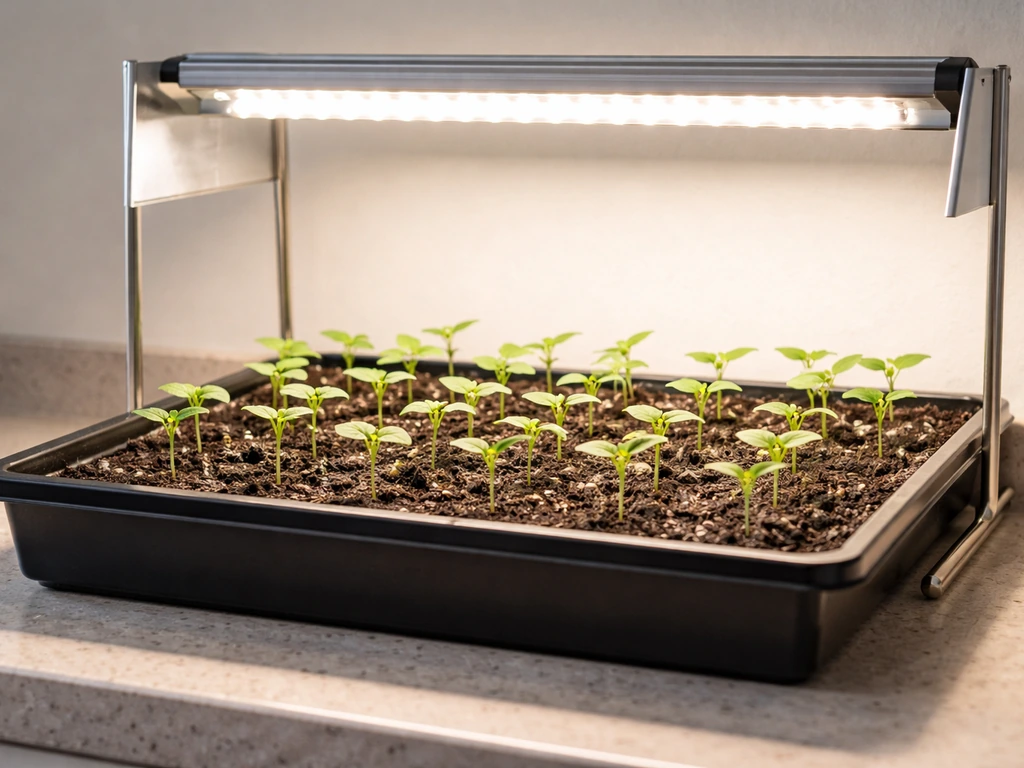
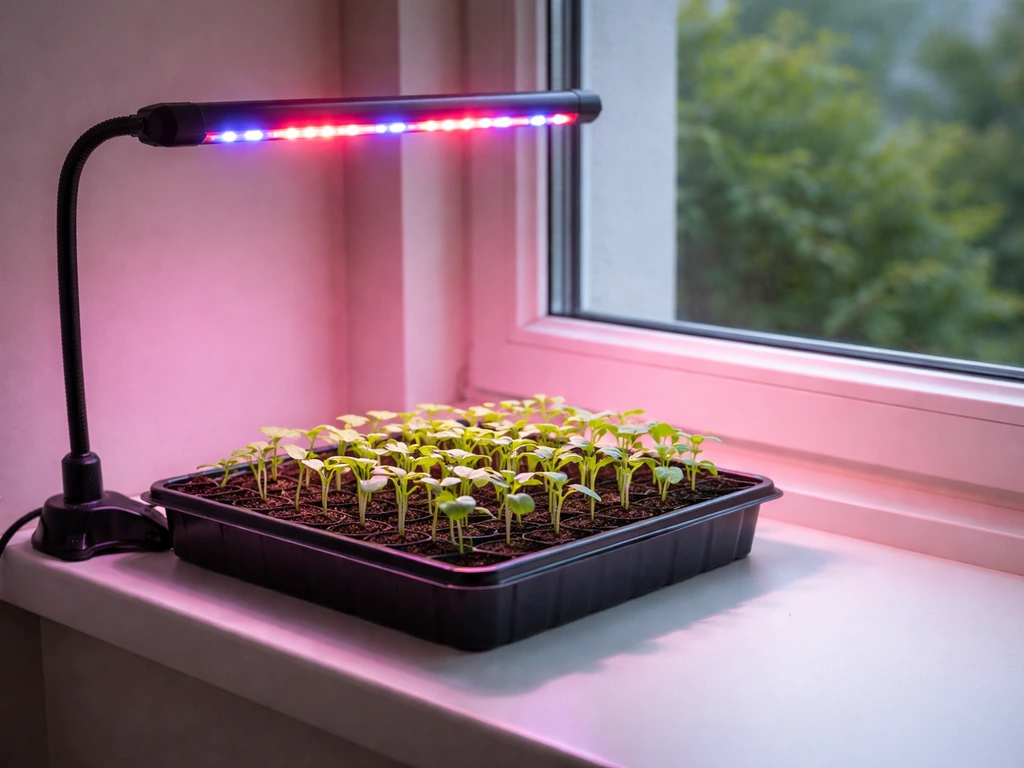
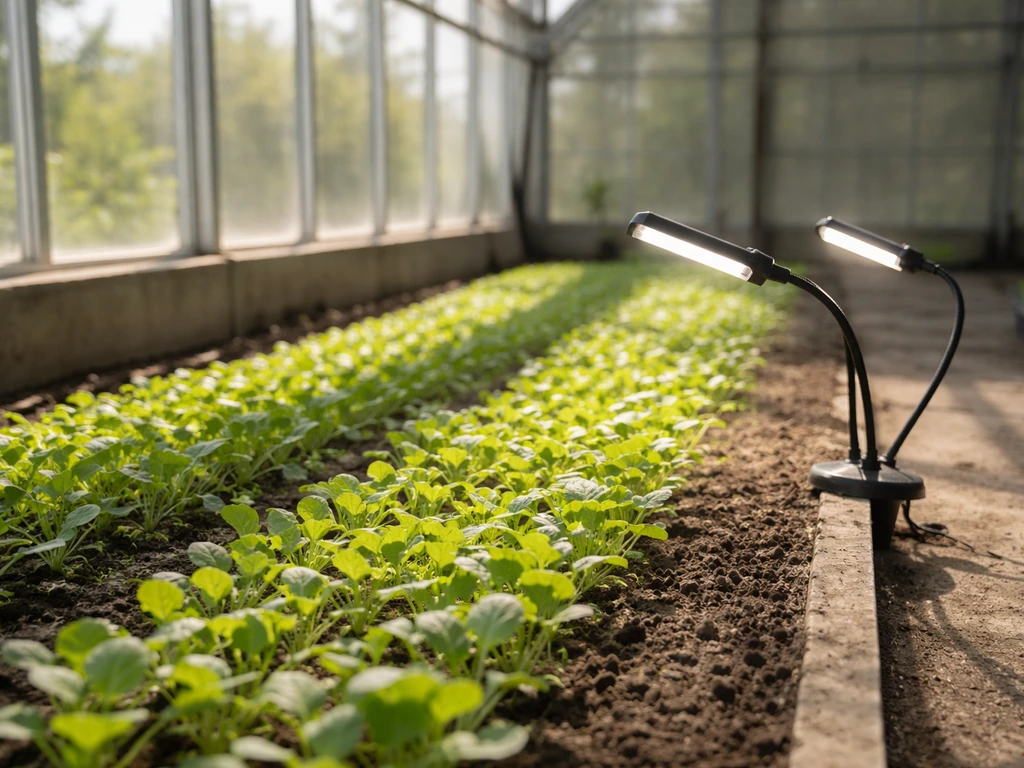
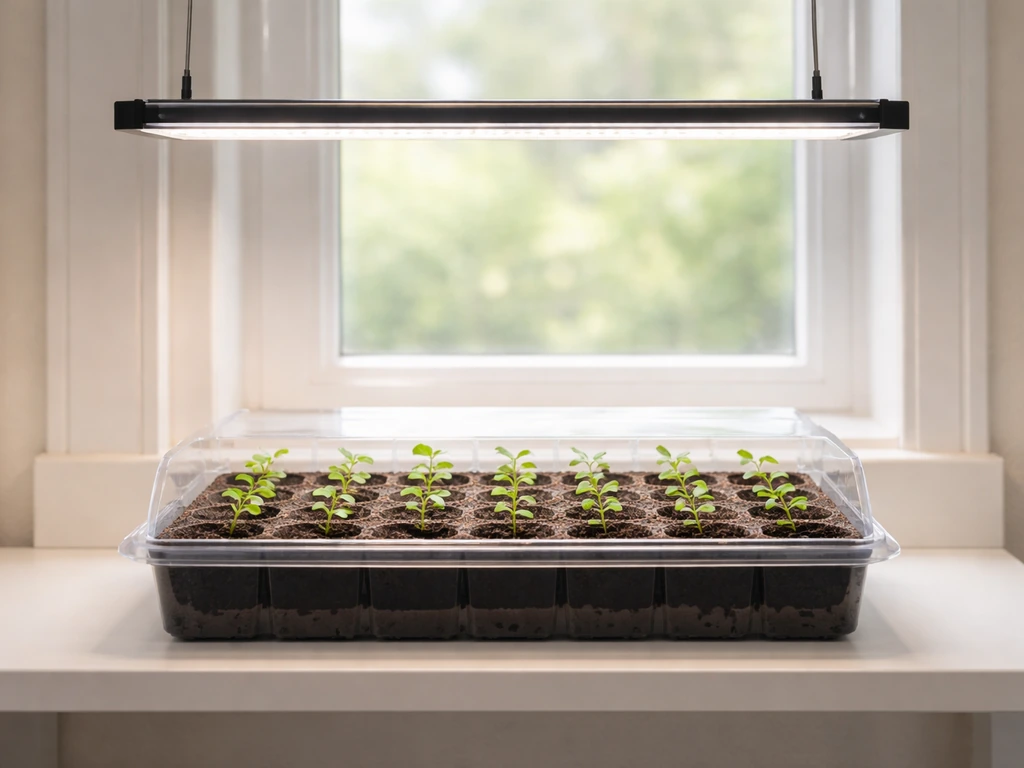
This is the single most common scenario where grow lights are non-negotiable for most home gardeners. Seedlings need a lot of light, typically 14 to 16 hours per day, and they need it delivered close to the plants. Without it, they go etiolated: tall, pale, spindly, and too weak to survive transplanting. Window light alone, especially between November and April in most of North America, almost never cuts it. blank" rel="noopener noreferrer">Even UMN Extension recommends growing seedlings under fluorescent or LED lights rather than relying on natural light, even when a greenhouse is available. Even in a greenhouse, you may still need grow lights during low-sun winter periods or if the plants are not receiving enough usable light.
Low-light homes and apartments
If your home gets less than four hours of direct sun through windows per day, or if you are trying to grow light-hungry plants like herbs, vegetables, or fruiting plants indoors, grow lights are necessary to make up the gap. Do you need grow lights for hydroponics? If your setup lacks strong, consistent light, supplemental grow lighting can help you reach the PPFD your plants need. Shade-tolerant houseplants like pothos or snake plants can survive in low light, but they will not thrive. Anything you want to actually harvest or see bloom consistently needs supplemental light in a typical apartment or house without abundant south-facing glazing.
Winter months
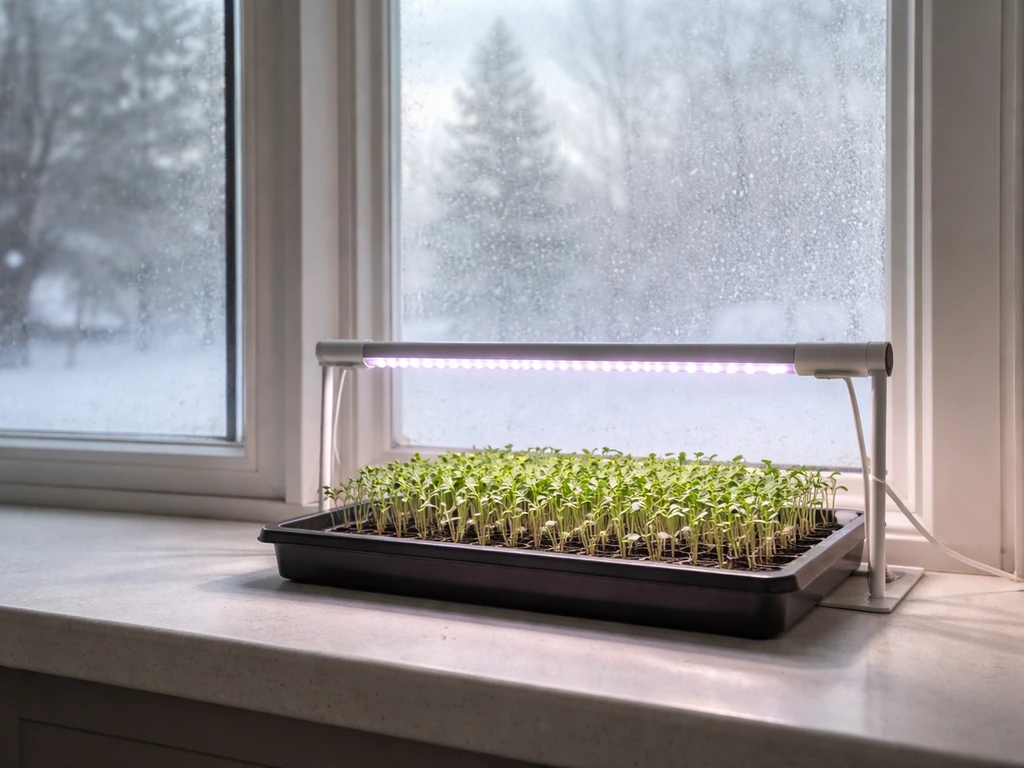
Even a home with good windows during summer can fall into a light deficit in winter. Days get short, the sun angle drops, and cloud cover increases in most climates. Plants that were doing fine in October can start to decline by December just from the seasonal DLI drop. If you are trying to keep herbs producing, keep a vegetable garden going indoors, or overwinter plants you want to keep healthy, grow lights become necessary during the winter months.
Specific crops: microgreens, hydroponics, and more
Some crops almost always need grow lights because they are typically grown indoors without reliable natural light access. Microgreens can actually get by with relatively modest light (DLI below 20 mol per square meter per day is a common guideline), but they still need consistent, well-distributed light that a windowsill rarely provides uniformly. Hydroponic systems set up in basements or interior spaces have no natural light at all, making grow lights mandatory. For seeds specifically, the question of whether grow lights are needed is worth thinking through carefully depending on your setup and time of year.
Choosing the right grow light type and brightness
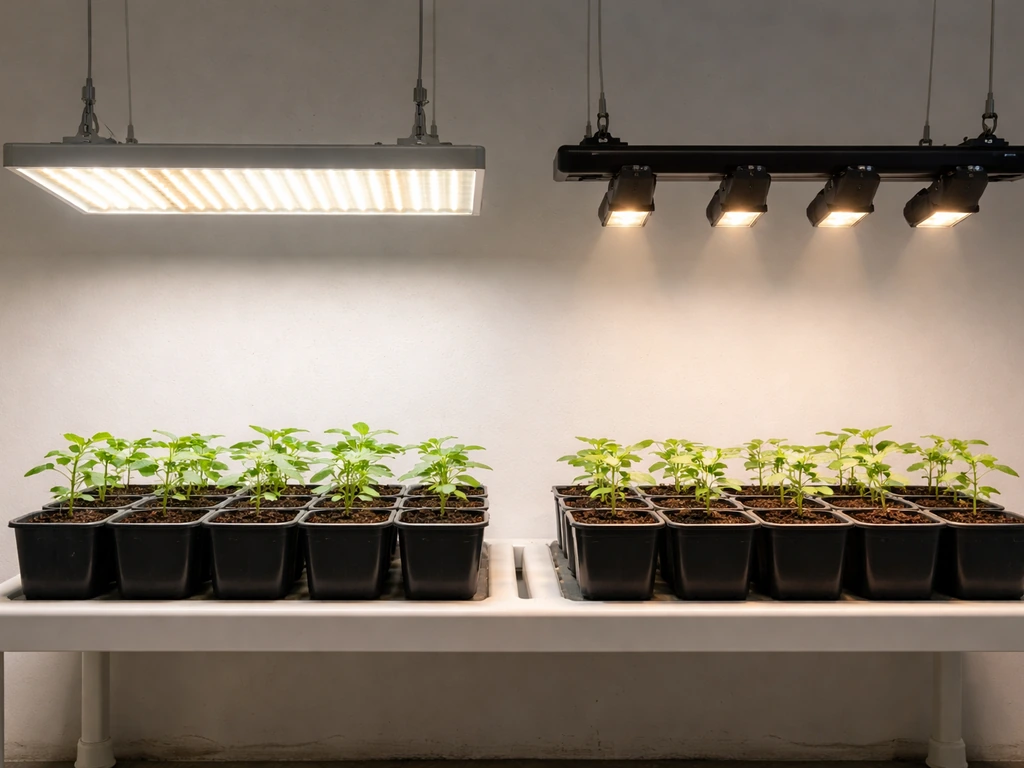
The good news is that you do not need to spend a fortune. Utah State Extension makes this point directly: expensive specialty grow lights are not required for seedling success. A basic fluorescent shop light or an affordable LED bar light can do the job well. That said, choosing the right type and getting the brightness right does matter.
| Light Type | Best For | Energy Use | Heat Output | Approximate Cost |
|---|---|---|---|---|
| Full-spectrum LED | Seedlings, herbs, vegetables, flowering plants | Low | Low | $ to $$$ |
| Fluorescent / T5 / T8 | Seedlings, low-to-medium light plants | Moderate | Low-moderate | $ to $$ |
| High-Pressure Sodium (HPS) | Fruiting/flowering, larger setups | High | High | $$ to $$$ |
| Incandescent / standard bulb | Not recommended for plants | High | High | $ |
For most home gardeners, a broad-spectrum LED grow light or a cool-white fluorescent (6500K color temperature) is the right call. These mimic natural daylight, cover the blue and red wavelengths plants use most for photosynthesis, and run without generating much heat. University of Maryland Extension specifically recommends broad-spectrum LED or cool-white fluorescent tubes for starting transplants indoors. HPS lights are more efficient at large scale but generate significant heat and use more electricity, making them overkill for a seed-starting tray on a shelf.
For brightness, think in terms of PPFD at plant height rather than the wattage number on the box. Wattage tells you how much electricity the light uses, not how much photosynthetically useful light reaches your plants. A 45-watt LED panel positioned 8 inches above a tray of seedlings might deliver 300 PPFD. Move it to 20 inches and you might be down to 100 PPFD or less, which means you would need to run it much longer (potentially 16 hours instead of 8) to deliver the same daily light dose. Closer is usually better, within the safety limits for each light type.
How to set up your grow light correctly and safely
Height and placement
For seedlings, start with your LED grow light 8 to 10 inches above the tops of the plants. With fluorescent lights, 6 to 12 inches is a good starting range. As plants grow, raise the light to maintain that distance. If you see the plants stretching upward fast and their stems are thin, the light is probably too far away or the photoperiod is too short. If you see leaf edges bleaching or curling downward, the light may be too close or the intensity too high for that crop.
How long to run the lights each day
Seedlings generally need 14 to 16 hours of light per day. Use a simple outlet timer so you do not have to think about it. Most vegetative plants do well with 14 to 16 hours. Fruiting and flowering plants often have more specific photoperiod needs depending on whether they are long-day or short-day plants. As a practical baseline, 16 hours on and 8 hours off works well for most seedlings and vegetative herbs. Do not run lights 24 hours a day: plants need a dark period for metabolic processes.
Heat and electrical safety
LED grow lights run cool and are generally safe to leave on for long periods without worrying about fire risk from heat, as long as you are not stacking them in an enclosed space without airflow. HPS and older fluorescent setups generate more heat and need more attention to ventilation. Check that your outlet and extension cord can handle the wattage of your setup, and do not daisy-chain multiple high-draw lights on a single circuit.
Eye and skin exposure
Most standard LED grow lights sold for home use emit very little UV radiation. They will not give you a tan, and they are not a meaningful cancer risk. The UV hazard concern applies mainly to specialized high-UV horticultural lamps or industrial UV sources, not the LED bars and panels most home growers use. That said, staring directly into any bright light source is a bad idea. If a grow light is uncomfortably bright when you look at it, just avoid looking directly at it, especially for extended periods. For typical home grow setups, this is not a major safety issue.
What to realistically expect, and what grow lights will not fix
With the right grow light setup, the improvement in plant performance is genuinely striking. Seedlings that used to come out leggy and pale will be compact, dark green, and strong enough to transplant successfully. Herbs that barely grew on a windowsill will actually produce harvestable leaves. Flowering plants will set buds instead of just sitting there looking vegetative.
That said, grow lights solve the light problem, not every problem. If your seedlings are still spindly under grow lights, double-check that the light is close enough and running long enough. If leaves are yellowing, consider whether nutrients or watering are the actual issue. Grow lights do not make plants grow faster than their biology allows, and they do not compensate for poor soil, overwatering, or wrong temperatures.
One misconception worth clearing up: grow lights are not just for serious or commercial growers. A single LED bar light costing under $30 on a timer is genuinely enough to start a flat of vegetable seedlings successfully. You do not need a dedicated grow room, expensive equipment, or a complicated setup. The barrier to entry is much lower than most beginners assume.
Another common misconception is that grow lights work the same regardless of placement or timing. They do not. A light that is too far away, running too few hours, or covering too small an area will still produce disappointing results even if the light itself is a good product. The three variables that matter are intensity (PPFD at plant height), duration (hours per day), and spectrum (full-spectrum or appropriate wavelengths for your crop). Get all three reasonably right and grow lights work extremely well.
Your next steps
Start by honestly assessing your natural light using the window direction and distance rules above, or take a quick PPFD measurement with a free smartphone app. If your plants are showing signs of light stress, or if you are starting seeds indoors during fall or winter, you need a grow light. If you have a greenhouse and your plants are receiving insufficient winter light, you can use grow lights to fill the gap. Pick a full-spectrum LED or cool-white fluorescent, position it 6 to 10 inches above your plants, put it on a timer for 14 to 16 hours a day, and raise it as your plants grow. That is genuinely all most home growers need to get excellent results.
- Check your window direction and measure how many hours of direct sun your growing space gets per day.
- Look at your plants for signs of light deficiency: pale color, stretching stems, small leaves, no buds forming.
- If you are starting seeds indoors, plan to use a grow light regardless of season. Window light alone is almost never sufficient.
- Choose a full-spectrum LED grow light or cool-white fluorescent (6500K) for most home applications.
- Position the light 6 to 10 inches above the plant canopy and use an outlet timer set to 14 to 16 hours per day.
- Raise the light as plants grow, and reassess intensity and schedule if you still see leggy or pale growth.
FAQ
If my seedlings are stretching, should I increase wattage or just run lights longer?
Yes, but only if the plants are currently close enough and getting enough hours. If seedlings are still stretching, move the light closer first (within the safe distance for that fixture), then confirm your timer is providing roughly 14 to 16 hours. If you skip the dark period, you can get weak growth even when the light intensity is high.
Do full-spectrum lights guarantee better results than cheaper grow lights?
Not exactly. LEDs and fluorescent tubes typically produce specific usable light for plants, but “full spectrum” does not guarantee high PPFD. If your goal is compact growth, you still need enough photosynthetically useful intensity at plant height, and uniform coverage so the whole tray receives light, not just the center.
Can grow lights fix yellow leaves, or is that usually a nutrient/watering issue?
A simple indicator is whether the pale or yellowing pattern improves after you adjust light exposure. However, if you see browning edges, wilting with wet soil, or persistent yellowing despite stable light, check watering and nutrients too. Grow lights prevent light deficit, they do not correct overwatering, root problems, or a missing nutrient like nitrogen.
How do I calibrate my setup if I do not know the PPFD?
Use the “dimmer” principle: higher intensity at the same distance means you do not need the same number of hours. If you measure PPFD or use a phone app, tune for your target daily light, and avoid placing the light so close that leaves curl or bleach. For most home setups, starting at the recommended distance and then adjusting one variable at a time gives the best results.
Is it ever worth running grow lights 24 hours a day to speed growth?
Many plants need a dark period, and continuous lighting can stress them. A practical approach is 14 to 16 hours on for seedlings and most vegetative herbs, then 8 hours off. If you are growing a flowering crop, follow the crop’s photoperiod needs, but still avoid 24-hour lighting.
What can make grow lights look like they are not working, besides insufficient intensity?
Rising temperatures can make plants look like they need less light when the real issue is stress. LEDs run cooler, but fluorescent and especially HPS can warm the canopy, which can change growth rate and leaf color. Keep an eye on temperature at plant height and ensure any heated fixtures have airflow.
Do grow lights become necessary in a basement even if the room has some windows?
Yes, especially in basements or rooms with no direct sunlight. If a shelf is away from windows or the room stays dim, windows can give misleading brightness to your eyes while PPFD remains too low. In those cases, a supplemental LED bar or panel on a timer is the reliable way to ensure consistent daily light.
Will using reflective foil or a white shelf eliminate the need for a stronger light?
If you are using reflective surfaces, you can improve efficiency, but you still need direct intensity at the plant canopy. Backyard-style “blanket reflectors” help with stray light, but do not replace proper placement and sufficient PPFD. Aim to cover the tray evenly, and consider raising the fixture rather than relying on reflection alone.
Why do my plants grow unevenly even with a “good” grow light?
Yes, plants can only use the light that reaches them, and coverage matters for multi-tray setups. A fixture sized for a single tray may leave corners underlit, leading to uneven growth. If your plants form a pattern, with the edges stretching more, you likely need more coverage or a second light.
What is the simplest setup that still works reliably for indoor seed-starting?
Let it be visible, not complicated. Choose a fixture that is easy to adjust vertically, because you will raise it as plants grow to maintain intensity at canopy height. A timer matters most for daily duration consistency, and a simple dimmer is less useful than physically repositioning the light or selecting the right brightness.
If I already have a greenhouse, do I still need grow lights in winter?
If you are growing in a greenhouse, you may still hit a winter light deficit, especially on cloudy days or when the sun angle is low. The practical test is plant performance, plus optional PPFD checks at plant height. If they stretch, stay pale, or fail to set buds, supplementation is likely necessary even indoors or in a greenhouse.
Next Articles
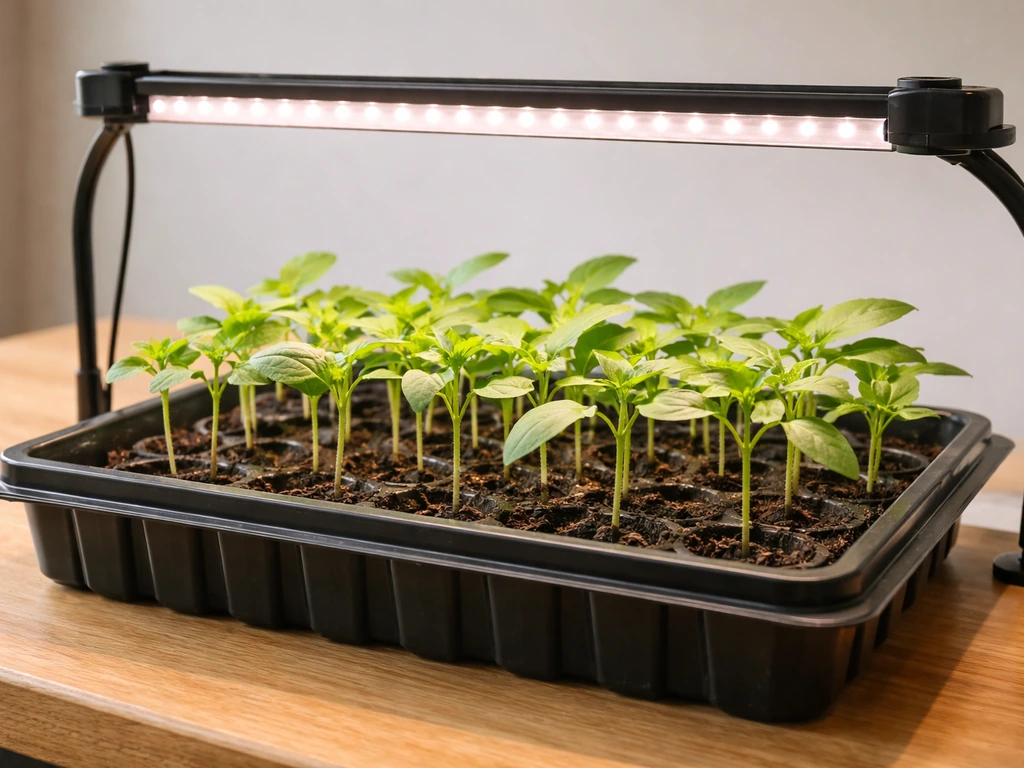
Do You Need Grow Lights for Seedlings? Quick Guide
Learn when seedlings need grow lights, when windows suffice, how to check light, and safe setup timing and placement.
Do You Need Grow Lights in a Greenhouse? A Guide
Decide if your greenhouse needs grow lights by measuring sunlight, season, and plant needs, plus safe setup and schedule
Do You Need Grow Lights to Start Seeds? A Clear Guide
Do you need grow lights to start seeds? Know when window light is enough, setup tips, and signs of too little light.